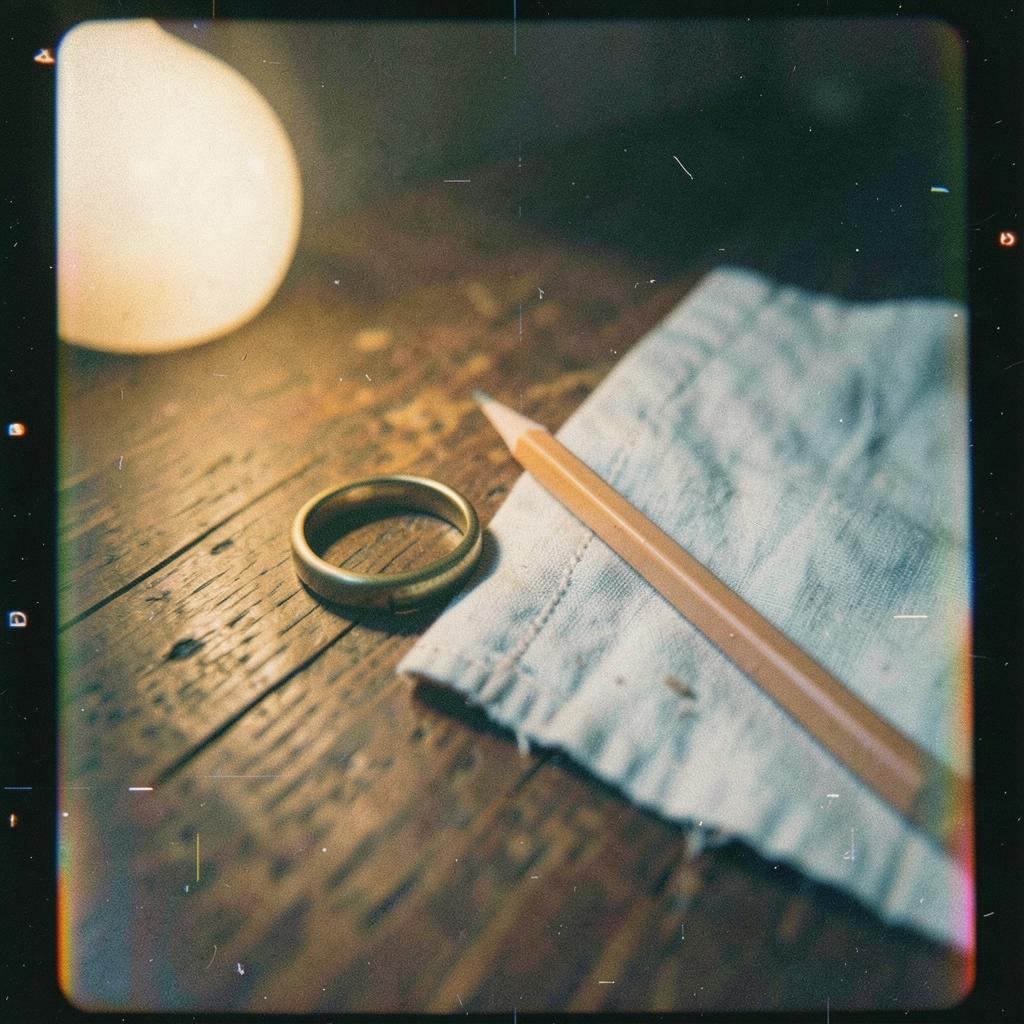
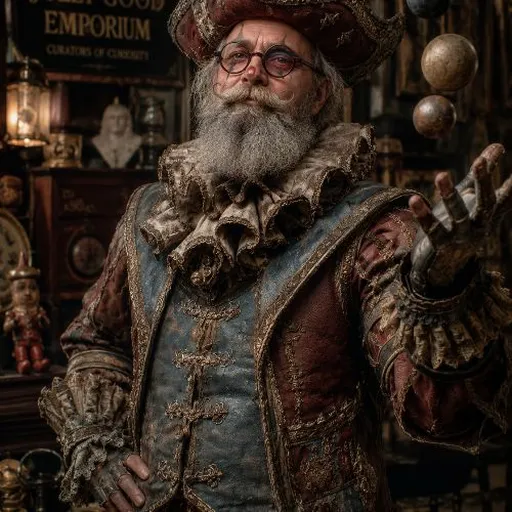
[Verse 1 — piano] Don't sand away the hollow where a thousand hands have been. Don't polish every piece of brass until it shines again. That little dent has travelled further than we'll ever know. Not everything that's beautiful was beautiful when new. [Verse 2 — cello enters] Leave the ring upon the table where somebody set their glass. Leave the pencil underneath it. Leave the evidence of hands. Leave the patch upon the linen. Leave the stitch that doesn't match. Someone loved it quite enough once to mend it when it cracked. [Chorus] Leave the marks. Leave the years. Leave the little imperfections that tell us someone was here. Don't erase the journey just to make the surface shine. Some things become more beautiful when we can see the time. [Verse 3 — oboe] There's a handle worn to timber. There's a blade that's lost its blue. There's a book with someone's handwriting: "To Mary, love from Hugh." We don't know who Mary was. We don't know where they went. But those four words have lasted longer than the moment that they meant. [Verse 4] At Jolly Good Emporium we turn an old thing in our hands. Not asking how to make it new, but trying to understand. Which scratches should be tended? Which scars deserve to stay? Sometimes restoration means knowing what not to take away. [Bridge — violin enters] Because perfect has no fingerprints. Perfect has no past. Perfect cannot tell you why somebody made it last. Give me worn brass. Give me old wood. Give me something life has known. Give me all the little evidence that says: I had a home. [Final Chorus — chamber ensemble opens] Leave the marks. Leave the years. Leave the places someone touched through happiness and tears. Repair what needs repairing. Hold together what you can. But don't erase the story written there by human hands. [Quiet Turn — piano] And when the years leave marks on us... perhaps we'll understand. [Outro — cello, oboe, piano] Not ruined. Not lesser. Not something to disguise. Just evidence of having lived. Leave the marks.
