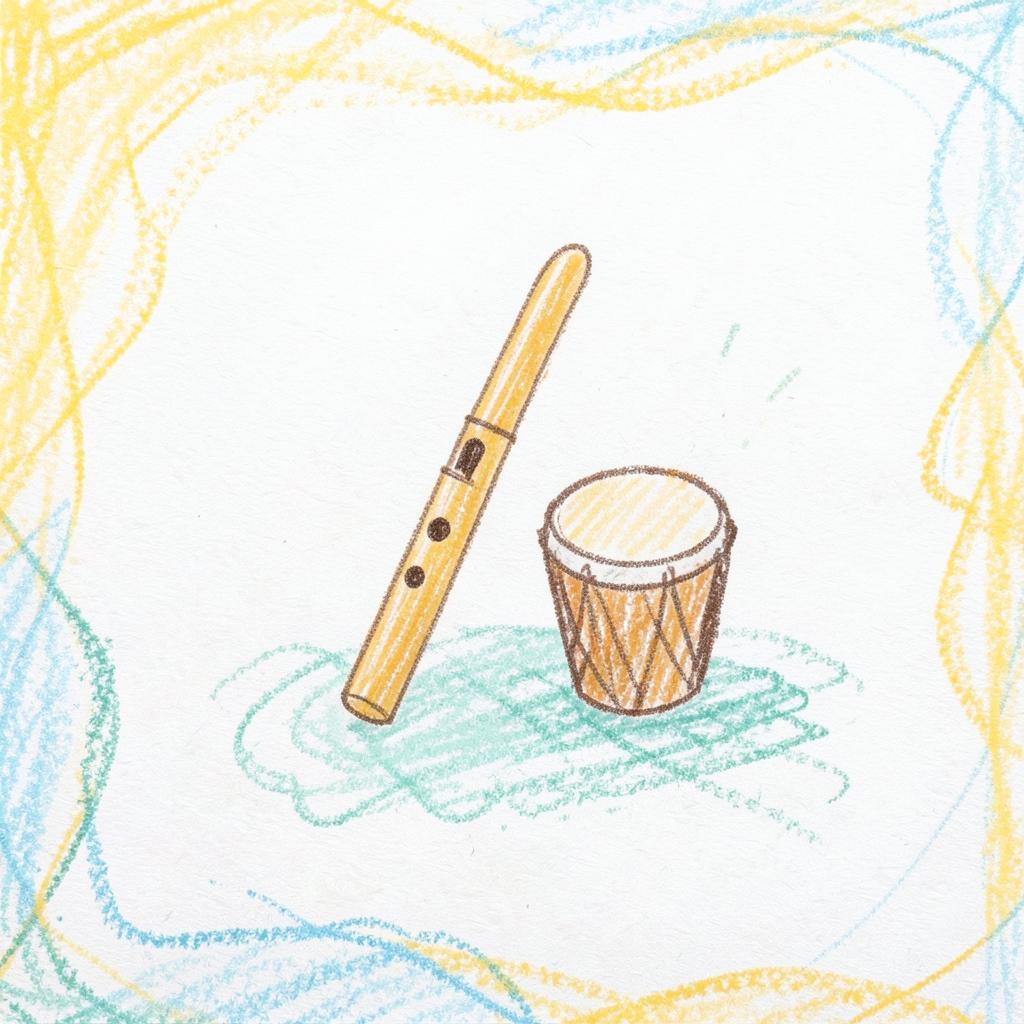

[Intro — Exactly 2 Seconds] [Authentic Egyptian Arabic Nay + Acoustic Duff] [Both Instruments Play Together] [Verse 1 — Maqam Bayati, Deep Qarar] [Male Lead: Warm, Intimate, Melancholic] [Authentic Egyptian Arabic Nay flute and Duff Continue Under Every Vocal Phrase] صَوْتُ الأَذَانِ بِالصِّدِقِ يَمْتَزِجُ الهَوَى فِي خَافِقِي مِثْلَ امْتِزَاجِ الشَّهْدِ بِالأَلْبَانِ [Short Mawwal — Bayati] [Repeat Only the First Hemistich with New Ornaments] [Lead Vocal, Authentic Egyptian Arabic Nay flute and Duff Together] بِالصِّدِقِ يَمْتَزِجُ الهَوَى فِي خَافِقِي [Deep Melisma and Sustained Notes] [Nay Follows the Vocal Melody; Duff Maintains a Soft Pulse] [Verse 2 — Maqam Hijaz, Gradual Rise to Jawab] [Lead Vocal, Authentic Egyptian Arabic Nay flute and Duff Continue Without Interruption] صَوْتُ الأَذَانِ بِكُلِّ فَجْرٍ صَادِقٍ كَالنَّبْضِ يَدْفُقُ خَالِصَ الإِيمَانِ [Male Choir — Hijaz, Powerful Call and Response] [Choir, Nay and Duff Together] كَالنَّبْضِ يَدْفُقُ خَالِصَ الإِيمَانِ [High Register, Sustained Ending, Distinct Vocal Ornaments] [Authentic Egyptian Arabic Nay flute Plays Soaring Hijaz Phrases; Duff Continues Softly] [Verse 3 — Maqam Nahawand, Soft and Reverent] [Lead Vocal, Authentic Egyptian Arabic Nay flute and Duff Continue Together] وَالرَّكْعَتَانِ عَلَى تَمَامِ شُرُوطِهَا تُنْشِي النُّفُوسَ بِغُنَّةِ الْقُرْآنِ [Short Mawwal — Nahawand to Sikah] [Repeat Only the Second Hemistich with Different Ornaments] [Lead Vocal, Authentic Egyptian Arabic Nay flute and Duff Together] تُنْشِي النُّفُوسَ بِغُنَّةِ الْقُرْآنِ [Begin Deep and Soft, Rise Gradually to Jawab] [Authentic Egyptian Arabic Nay flute Answers Between Vocal Phrases; Duff Maintains a Gentle Pulse] [Verse 4 — Maqam Bayati with Rast Colors] [Strong, Warm Lead Vocal; Authentic Egyptian Arabic Nay flute and Duff Continue] جَبْرٌ لِفَرْضِ الذِّكْرِ يَنْفُلُهُ التُّقَى مِنْ نِعْمَةِ الرَّحْمَنِ لِلْإِنْسَانِ [Final Male Choir — Bayati to Rast] [Choir, Authentic Egyptian Arabic Authentic Egyptian Arabic Nay flute and Duff Together] مِنْ نِعْمَةِ الرَّحْمَنِ لِلْإِنْسَانِ [Warm, Expansive Harmony and Sustained Final Note] [Authentic Egyptian Arabic Nay flute: Short, Emotional Descending Phrase] [Duff: Soft Final Pulse] [Both Instruments Accompany the Final Vocal Note, Then Fade Naturally] [Strict Instrument Rules — Throughout the Entire Song] [Authentic Egyptian Arabic Nay flute and Acoustic Arabic Duff Are the Only Instruments.] [Both Instruments Must Remain Audible from the First Second to the Final Natural Decay.] [Nay and Duff Accompany Every Verse, Vocal Phrase, Breath, Pause, Mawwal, Choir, Transition, Climax, and Ending.] [Never Stop Either Instrument During Singing.] [Authentic Egyptian Arabic Nay flute Follows the Vocal Melody with Arabic Quarter-Tones, Breath-Like Phrasing, Slides, Bends, and Maqam-Specific Ornaments.] [Duff Maintains a Continuous, Soft Acoustic Pulse, Growing Stronger at Emotional Climaxes.] [No Authentic Egyptian Arabic Nay flute-Only Sections, No Duff-Only Sections, No Instrumental Breaks Replacing Vocal Lines.] [Exactly 2 Seconds of Introduction; Vocals Begin Immediately Afterwards.] [No Oud, Qanun, Strings, Orchestra, Western Flute, Piano, Keyboards, Bass, Additional Drums, Synthesizers, or Electronic Sounds.] [Strict Classical Arabic Fusha Pronunciation] [Pure Classical Arabic; No Colloquial Pronunciation or Foreign Accent.] [Observe Correct Grammar, Morphology, Full Diacritics, and Precise Arabic Articulation Points.] [Clearly Distinguish ص، ض، ط، ظ، ح، ه، ع، أ، ق، ك.] [Preserve Short and Long Vowels, Shaddah, Sukun, Tanween, and Hamzah.] [Apply Correct Arabic Vowel Linking, Grammatical Endings, and Natural Pausal Forms.] [Maintain Clear Diction During Mawwal, Melisma, Trills, Slides, and Sustained Notes.] [Prioritize Accurate Arabic Pronunciation Over Vocal Ornamentation.] [Strict Song Structure] [Sing Every Original Verse Once, in Exact Written Order.] [Repeat Only the Specifically Designated Hemistich for Each Verse.] [Use Distinct Melodic Ornaments for Every Repetition.] [Male Classical Arabic Lead and Male Choir Only.] [Never Restart the Poem or Repeat the Complete Poem.] [No Additional Lyrics, No Extra Chorus, No Extended Outro.]
