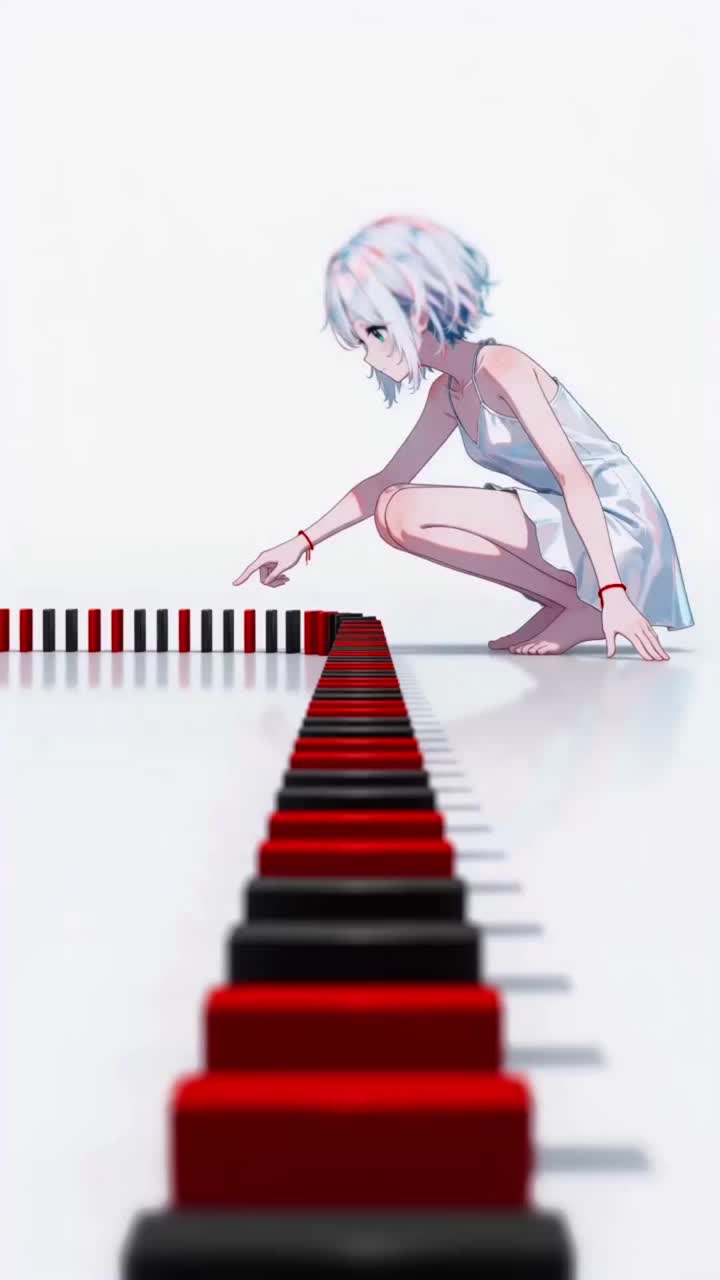
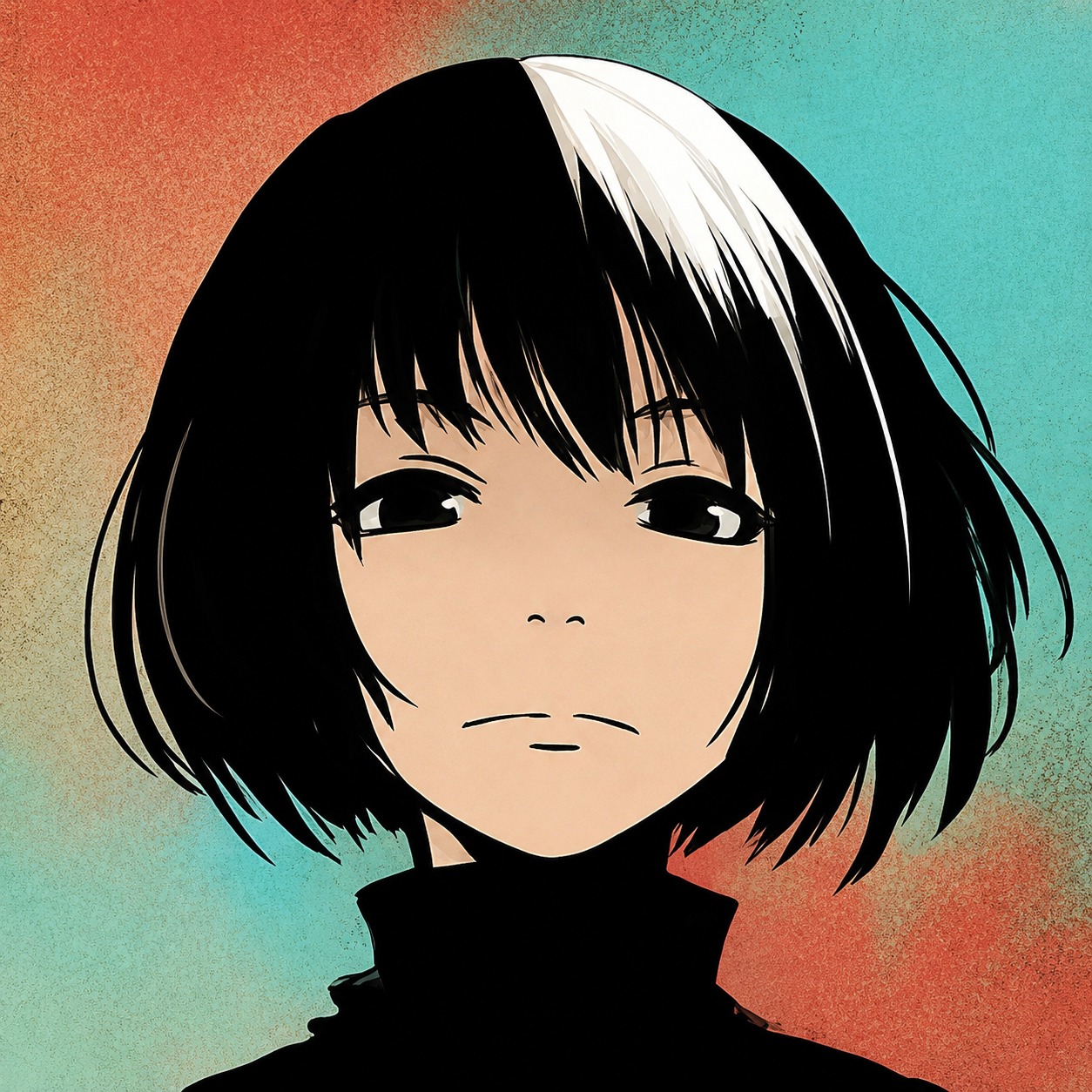
「へその間(ま)」 最初の人との繋がりは、目に見えるものだった。 けれど生まれた瞬間、それは切られ、代わりに長さのわからない「間」が生まれた。 これは、そんな見えない「間」として生まれた、ぼくの話。 歌詞の解説は英語訳の下にあります。 興味ある方は翻訳して楽しんでもらえると嬉しいです☺️ 🖇️🖇️🖇️🖇️🖇️🖇️🖇️🖇️🖇️🖇️🖇️🖇️🖇️🖇️🖇️ [Verse 1] 初めて光を浴びたとき なにかが切れる音がした 見えてて見えない そんなおかしな繋がりだ [Verse 2] 見えなくなって生まれたぼくは いらなくなった誰かの一部 捨てていいのに捨てられない みんなおかしなほどに怖がりだ [break] ぼくがあるのは誰のため? ぼくはなにを演じるの? [chorus] あなたにとっては愛着で あの子にとっては執着で 君にとっては後悔で あいつにとっては正解だ ああ ぼくってなんなんだ ああ ぼくってなんなんだー! [verse3] 不安定な長さのぼくは ときに誰かを傷つける 近いから?遠いから? 使い勝手のいい免罪符だ [break] ぼくになにを期待する? ぼくのなにを怖がるの? [chorus] あなたにとっては愛着で あの子にとっては執着で 君にとっては後悔で あいつにとっては正解だ ああ ぼくってなんなんだ ああ ぼくってなんなんだー! [bridge] きっとみんなの中心で 一段高くて 一番大事で 一番捨てたい その箱を 見せないために切るのなら ぼくはなんのため? ぼくは誰のため? [pre chorus] 見えないぼくがここにいて 距離の違うぼくもいて 隠すためにぼくがいて 見つけるためにぼくがいる [Final Chorus] あなたにとっては愛着で あの子にとっては執着で 君にとっては後悔で あいつにとっては正解だ ああ どれもぼくなんだ ああ どれもぼくなんだ [outro] 切れて生まれたぼくは きっと繋ぐために生まれたんだ 🖇️🖇️🖇️🖇️🖇️🖇️🖇️🖇️🖇️🖇️🖇️🖇️🖇️🖇️🖇️ “Heso no Ma” — The Space Between Navels Verse 1 When I first bathed in light, I heard the sound of something being severed. Visible, yet invisible— such a strange connection. Verse 2 I came into being when I disappeared from sight— once a part of someone, no longer needed. I can be thrown away, yet no one can let me go. Everyone is strangely afraid. Break For whose sake do I exist? What role am I meant to play? Chorus To one, I am attachment. To that girl, I am obsession. To you, I am regret. To that person, I am the right answer. Oh, what am I? Oh, what am I? Verse 3 My length is never fixed, and sometimes I hurt someone. Is it because I am too close? Too far? I make such a convenient excuse. Break What do you expect from me? What is it about me that frightens you? Chorus To one, I am attachment. To that girl, I am obsession. To you, I am regret. To that person, I am the right answer. Oh, what am I? Oh, what am I? Bridge Surely, at the center of everyone, raised a step above everything else— the most precious box, and the one they most want to throw away. If they sever me just to keep it hidden, then what am I for? Who am I for? Pre-Chorus The invisible me is here, and other versions of me exist at different distances. I exist so something can be hidden. I exist so something can be found. Final Chorus To one, I am attachment. To that girl, I am obsession. To you, I am regret. To that person, I am the right answer. Oh, every one of them is me. Oh, every one of them is me. Outro Born from a severing, surely I was born to connect us. ⸻ 🖇️🖇️🖇️🖇️🖇️🖇️🖇️🖇️🖇️🖇️🖇️🖇️🖇️🖇️🖇️ Notes for English-Speaking Listeners The meaning of the title “Heso no Ma” is a Japanese wordplay that cannot be reproduced exactly in English. * heso means “navel” or “belly button.” * ma means the space, distance, or interval between things. * The phrase also evokes heso no o, meaning “umbilical cord.” The title deliberately shifts attention away from the umbilical cord itself and toward the invisible space that appears after it is cut. “The Space Between Navels” is intentionally an unusual phrase: it refers to the distance created between two people who were once physically connected. Who is “I”? At first, “I” appears to be the umbilical cord: something visible, physically attached to another person, and discarded after birth. However, the narrator is not only the cord. When the visible cord is severed, an invisible “space” is born in its place. As the song continues, “I” expands to mean: * the distance between two people, * the bond that remains after separation, * the boundary between the self and another person, * and the meaning people give to a relationship. The narrator therefore moves between several identities. This ambiguity is intentional. “I” is the invisible space in which attachment, obsession, regret, separation, and connection can all exist. “My length is never fixed” The narrator’s “length” is no longer the physical length of an umbilical cord. It represents emotional and interpersonal distance. Being too close can become dependence, possession, or control. Being too far away can become neglect, abandonment, or indifference. Because people can justify their actions by saying either “we were too close” or “we were too distant,” the narrator calls itself “a convenient excuse.” The changing pronouns in the chorus The Japanese lyrics move between different ways of referring to people: anata, ano ko, kimi, and aitsu. These words suggest different degrees of intimacy, familiarity, and emotional distance. The people are deliberately left unnamed. Each person observes the same invisible bond but gives it a different name: * attachment, * obsession, * regret, * or the right answer. The narrator has no single meaning of its own. Its identity changes depending on who is looking at it. The narrator uses boku, a Japanese first-person pronoun often associated with boyishness, youth, or innocence. Here, it gives the abstract narrator a small, childlike voice. It does not necessarily establish the gender of the singer, narrator, or songwriter. The box in the bridge The “box” is deliberately left open to interpretation. It may represent a person’s: * true self, * heart, * secret, * emotional wound, * past, * or private inner world. It is described as both the most precious thing and the thing one most wants to throw away. People protect this hidden core, yet may also hate or fear it. They sometimes sever relationships because another person has come too close to seeing what is inside. The box being “raised a step above everything else” also gives it the feeling of something placed on a pedestal or hidden on a private altar. Hiding and finding Distance allows people to conceal themselves from one another, but it also makes discovery possible. If two people were still a single, undivided being, neither could truly recognize the other as a separate person. Separation creates an individual “you” and “me.” Only then can they choose to see, understand, and connect with each other. This is the central paradox of the song: People can connect precisely because they are separate. The ending The song begins with a connection being severed and ends with the possibility of a new connection. The physical bond of the umbilical cord is involuntary: it exists before either person can choose it. Once it is cut, an invisible distance appears. Within that distance, people can choose whether to approach one another, leave, hide, search, hurt, forgive, or reconnect. The final word kitto, translated here as “surely,” carries hope rather than absolute certainty. The narrator has not discovered a perfect answer. It chooses to believe that the distance created by separation may exist not only to divide people, but also to connect them again.
