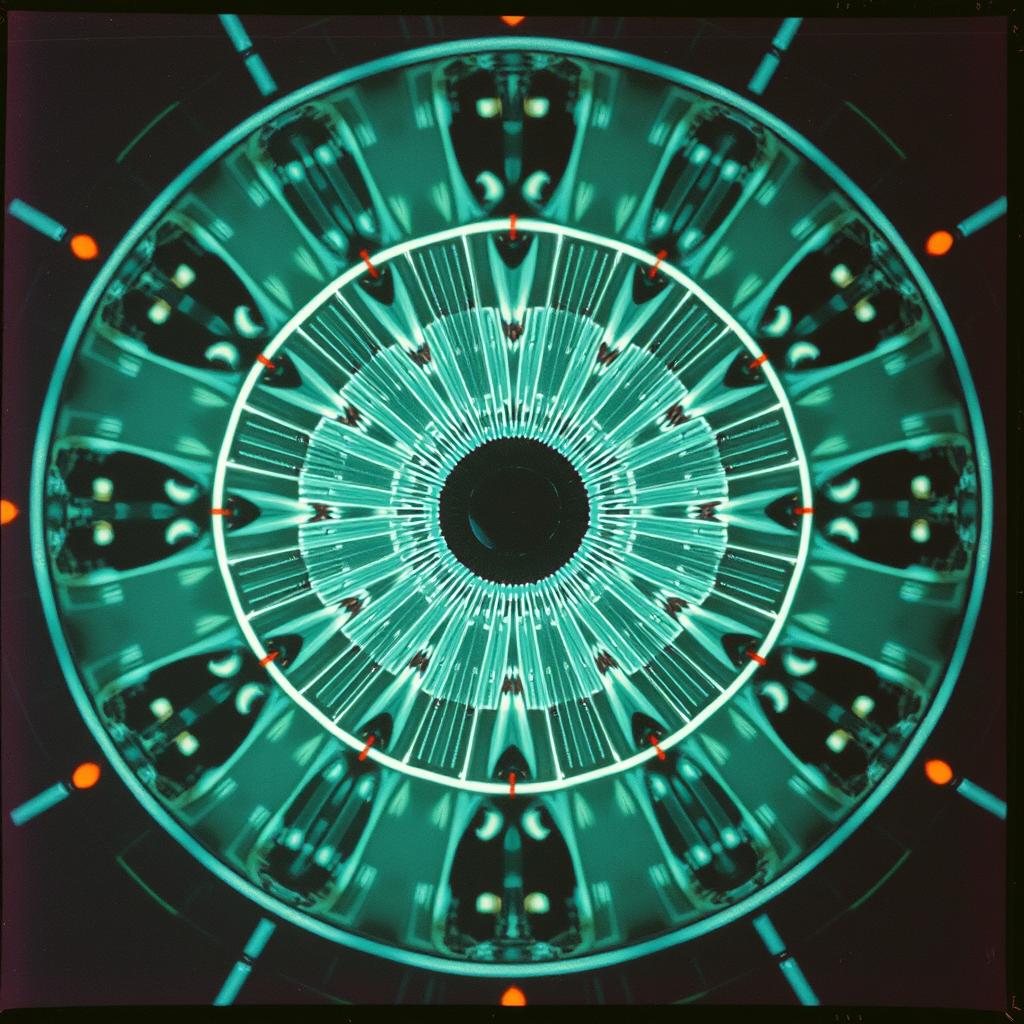

Hey, I grew up in a time when images still had to wait on film to be seen. Today, they are born, duplicated, distorted, and forgotten in milliseconds. Between these two states—waiting and abundance—I have found my path as an artist. Worpswede is my tool and my resonance chamber. Here, I work with others on a practice that does not pit photography, digitality, and AI against each other, but rather transforms them into a social process. We live in times of dissolution. Work biographies that provided stability for a generation are fraying. Images—our collective mirrors—are disintegrating into endless variations until we no longer know which ones belong to us. Many people feel it in their bodies: a mixture of acceleration and fatigue. Anthropologist David Graeber called some modern activities “bullshit jobs” — work that does not reach the soul. AI will continue to plow this landscape. Not because machines are more “creative,” but because they confront us with the question of where meaning arises. My suggestion as an artist is simple and radical: art not as a product, but as a practice. Not the image alone, but the process — shared, experiential, comprehensible. I call this social art processing: a workshop where images, people, and places come into relationship with one another. This idea is in line with Beuys’ social sculpture: everyone can create; society is malleable. At the same time, I learn from positions such as Christo: temporary constellations that do not need to “own” anything in order to have an effect. My means are photography, print, texture, color, voice—and yes, also AI, where it does not replace but contradicts: as a counter-image, as a question, as a mirror. For me, the dissolution of images does not mean loss, but transition. The negative becomes a data field, the unique original becomes a network of relationships. In my lab, every analog sheet gets a digital twin—not a copy, but a counterpoint. In AI Mirror, a sentence can become an image, but the image returns with context: What data, what patterns, what blind spots contributed to it? This is how visual literacy grows: not as a technical show, but as educationin the original sense — the formation of judgment.
