Tournai, the Day of the Visit to the Two Manet Paintings
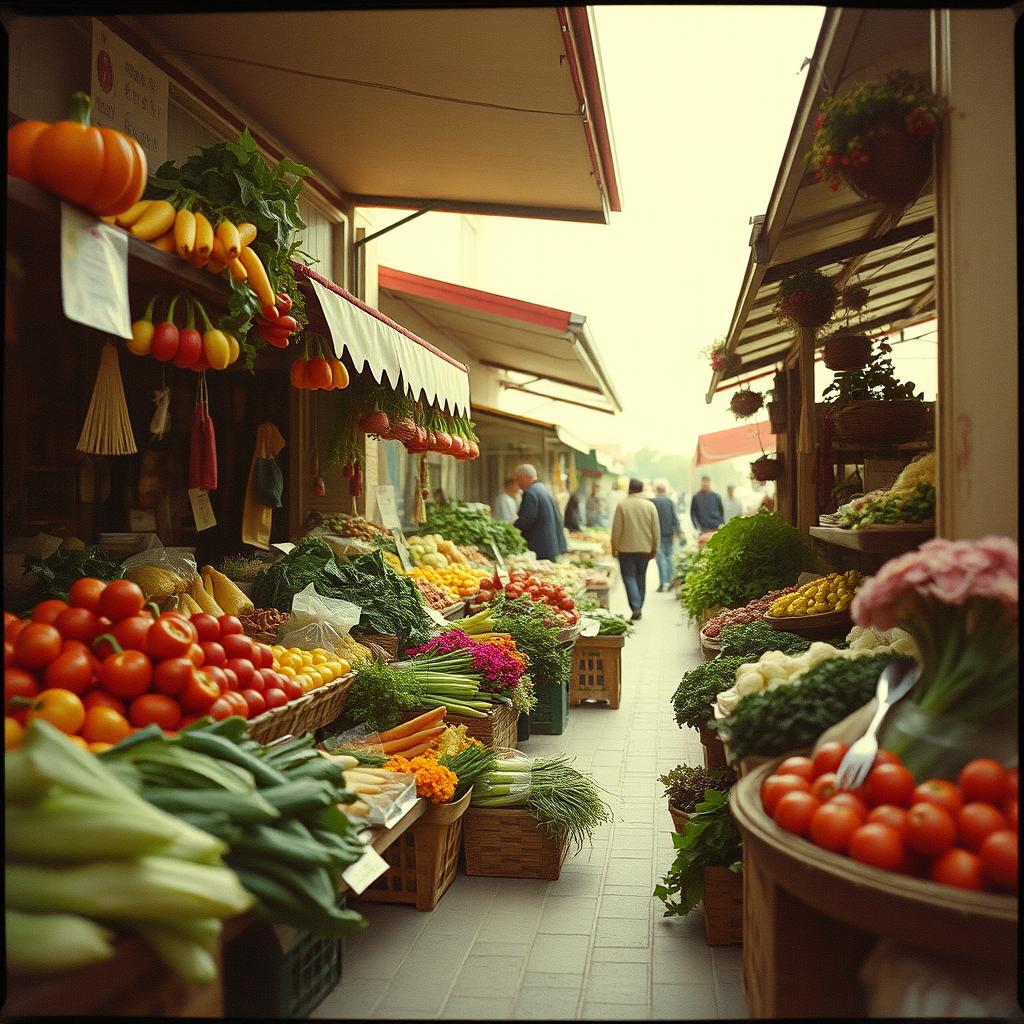
Situated on the Scheldt, Tournai is a crossroads city: it looks west toward Flanders, Lille and the northern plains just twenty kilometers away, and east toward Mons and Brussels. Its land, flat and fertile, has nourished its markets for centuries. Arriving in Tournai meant first passing through the station at Place Crombez: an open forecourt, buses lined up, railway announcements giving the town the breathing space of a crossroads. One could already sense that Tournai was a gateway between two worlds: nearby Flanders, with its open plains, and hillier Wallonia, spreading toward Hainaut. The station gave the impression of a threshold before plunging into the cobblestones of the town center. The Grand-Place appeared as a vast paved triangle, dominated by the massive silhouette of the belfry and the monumental profile of the cathedral with its five towers. Austere, yet lively at the same time, with its Saturday stalls, creating a joyful counterpoint to the gray stone and terracotta-colored roofs. The markets displayed mountains of vegetables — cabbages, carrots still streaked with soil, apples from Hesbaye or pears from the Liège region. The fishmongers set up their wooden trestles, covered with crushed ice, from which emerged soles, silver herring, and still-glossy eels. The air was filled with mingled scents: the strong cheese of Chimay, the golden crusts of bread loaves fresh from mobile bakeries, and bouquets of fresh flowers, tulips and carnations, coloring the grayness of the sky. One could hear fragments of Walloon and Flemish mixed together, accents from Mouscron, Courtrai, sometimes Lille, and in them, the mosaic of Northern Europe that made Tournai a sober but open city. Beyond the Grand-Place, other squares hosted markets: Place de Lille, Place Crombez, Place Victor Carbonnelle. Each had its own atmosphere: more popular and lively near the station, more family-oriented in the neighborhoods, with stalls selling light hardware, kitchen utensils, and household goods. These peripheral markets completed the central theater of the Grand-Place and gave a sense of timelessness. What struck one most was the contrast between architectural austerity and the warmth of the market. The gray stone of the façades, the centuries-old weight of churches and the belfry seemed to crack under the laughter of the merchants, the chatter of housewives, the sweet scent of hot waffles sold on the sly. The ancient cobblestones buzzed with hurried steps, bicycles, and baby carriages. A few streets away, in the Saint-Martin enclosure, stood the Museum of Fine Arts. Victor Horta’s building, with its clean lines, offered a moment of breath after the market’s bustle. One entered another temporality: silent rooms, paintings bathed in soft light, and these Manets, Argenteuil and Chez le Père Lathuille, placed there like islands of intimacy. The contrast was striking: outside, the tumult of market cries, hands touching, bargaining, the strength of male voices praising their goods; inside, the tenderness of a glance, of a leaning body, painted by Manet. In a city marked by its walls and bell towers, these two paintings revealed another masculinity: attentive, delicate, focused on the woman, as if gentleness could exist even at the heart of a rough world.
