Wide awake in Every Day Life, Chapter 2, Part 2

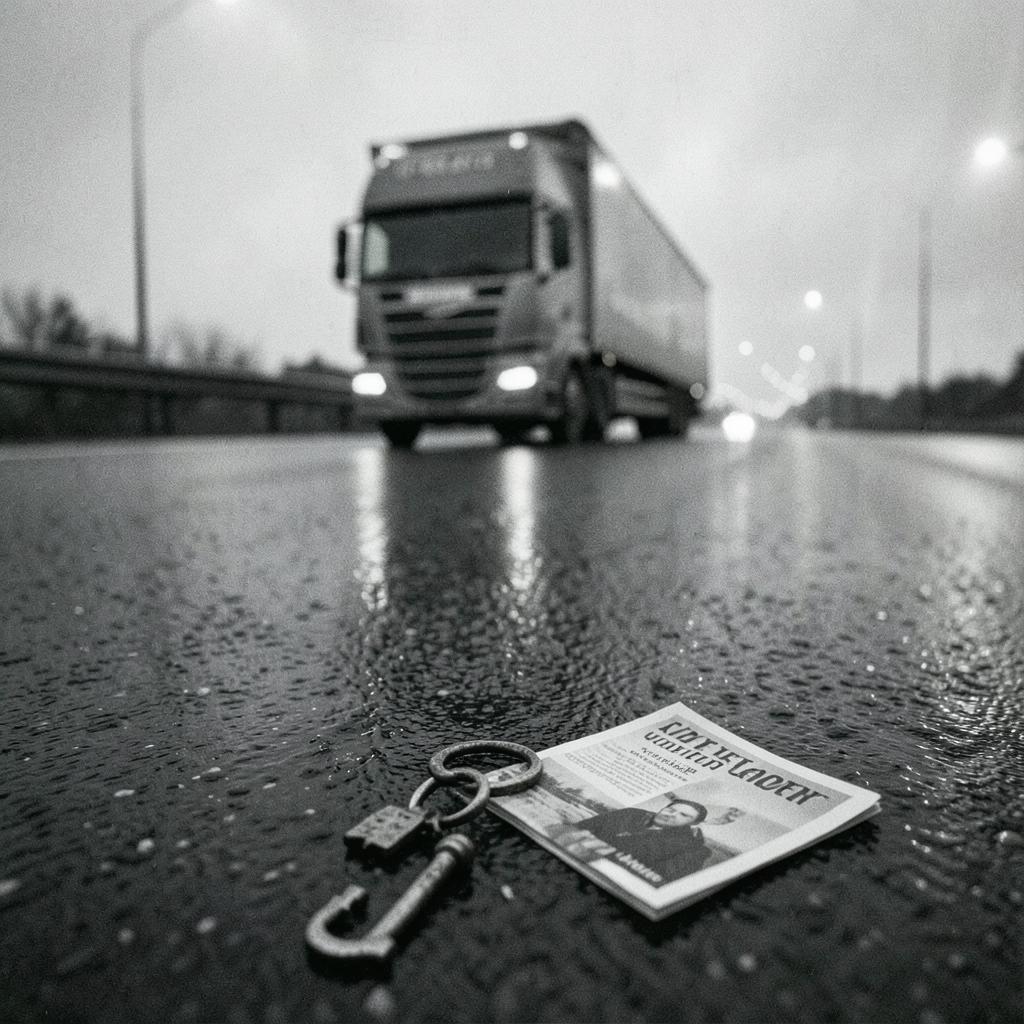
Chapter 2, Part 2 The rules were later translated into several European languages. The idea behind this was simple: the message should reach as many people as possible. Not just regionally. But far beyond that. The fact that the association grew rapidly had a lot to do with this practical approach. Those who joined did not find merely a warning. Rather, they found a project that sought to take action. Early on, the association reached out to the wider public through lectures, expert discussions and public appearances. This was not about self-promotion. It was about forging alliances. For anyone wishing to effectively reduce the dangers posed by heavy goods traffic needs partners: within the industry, in institutions, in politics, in the insurance sector, and in the media. Step by step, a network of like-minded allies emerged. Companies realised that they were not facing an adversary here. But a partner. Trade associations saw that this issue was being addressed in a practical yet technically rigorous manner. Authorities and safety stakeholders also recognised that the problems were clearly identified – without making sweeping judgements against the industry as a whole. It was precisely this combination that proved successful. Clear on the issues. Open in collaboration. Serious in its aim. The association did not stop at mere appeals. Its messages were translated into formats that truly reached people’s everyday lives: Posters. Stickers. Brochures. Key rings. Lanyards. Information letters. Social media posts. And later, large-scale messages on trailers and semi-trailers. This is how the idea became visible. This was complemented by practical tools for everyday use. An expert workshop developed the ‘Max Achtzig’ Safety Register for transport companies’ driver handbooks. This turned a good intention into a practical tool for everyday use. And that was precisely what mattered: Prevention should not merely be called for. It should be given a place within the company’s operations. Over time, the perspective broadened further. It became increasingly clear that: Safety does not begin on the road. It begins earlier. At the loading bay. Within the time window. In dispatch planning. In break scheduling. And in the question of the conditions under which drivers work and rest. Thus, other issues came more sharply into focus: A shortage of parking spaces. Sanitary facilities. Stress caused by rigid procedures. Poor communication. And the social situation of many drivers. This marked an important step forward. The movement remained true to its origins. But it came to understand more and more clearly: Accidents at the tail end of a traffic jam can only be effectively tackled if the pressures leading up to them are also taken seriously. Thus, the association became more than just a campaign. An open prevention platform emerged. New issues could be addressed. New partners could be brought on board. New formats could be trialled. This made the work more flexible. Technical prevention, human-centred prevention, operational procedures, public communication and emotional engagement could all be brought together – without losing sight of the original aim. The network also continued to grow. Over the years, the small founding group developed into a robust circle of supporters from businesses, associations, the insurance industry, employers’ liability insurance associations and other sectors. This is more than just a number. It shows: The idea was perceived in various sectors as relevant, credible and capable of being integrated. Its reach also expanded externally. The website became a showcase for the work. Social media became a fast-paced communication platform. There, topics could be raised, events covered and supporters reached. This was not a side issue. If you want to win people over, you must remain visible. At the same time, this direct exchange helped us to stay closer to the reality of everyday life. Feedback from the transport sector, from drivers and their wider circle made it easier to identify sentiments, problems and genuine pressures at an early stage – and to ensure we weren’t talking at cross-purposes with those on the ground. Despite all the developments, the moral reference point remained the same. The origin of this movement was not an abstract concept. It was a concrete tragedy. The Walldorf accident remained the inner starting point. It served as a reminder of why this work had come about. And why it must not end in symbolism or routine. For, ultimately, the same question always lies behind it all: Will a person return home safely – or not? And so, concern gave rise to a movement. That movement became a commitment. That commitment became a network. And from this network grew a voice that could no longer be ignored in road safety work: clear in its purpose, open in its collaboration, and driven by the conviction that death at the end of a traffic jam must not be tolerated.
