In Japan Beyond|Kyoto (Yone Noguchi) [STTZ Projekt Poesie]
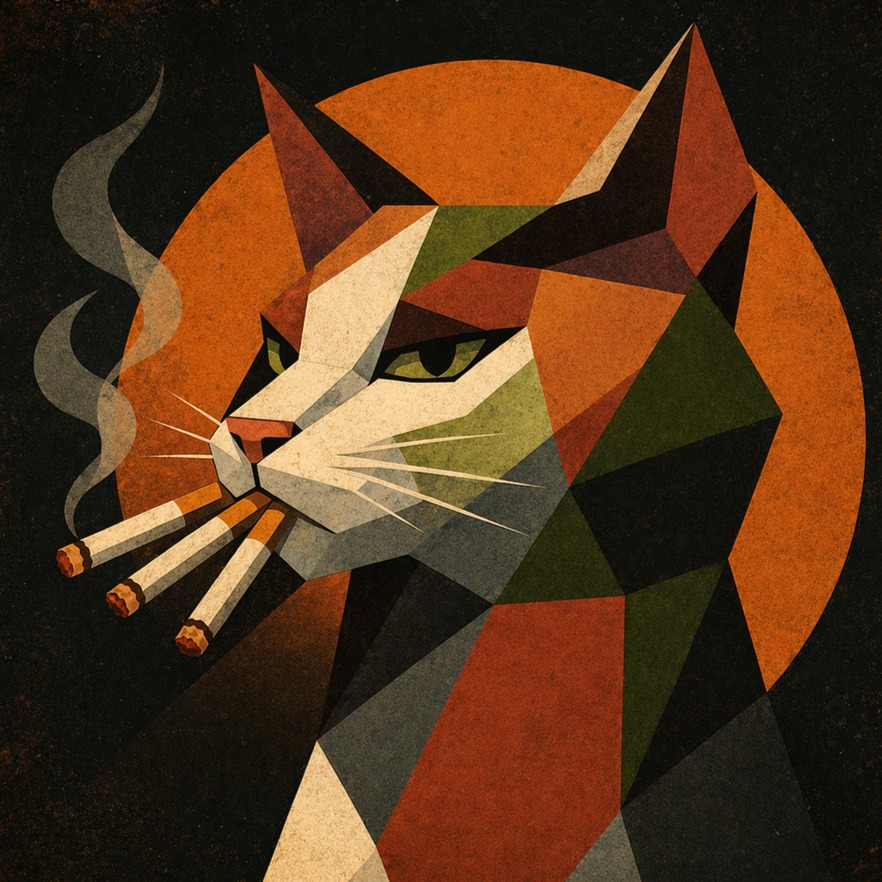
This spoken-word piece combines and rearranges lines from two poems by Yone Noguchi (1875–1947): “In Japan Beyond” and “Kyoto,” both from Selected Poems of Yone Noguchi, selected by himself and published in 1921 by The Four Seas Company, Boston, and Elkin Mathews, London. Noguchi was a Japanese poet, essayist, and critic, born in Tsushima, Japan. He travelled to the United States in 1893 and became the first Japanese-born writer to publish poetry in English. Source: https://archive.org/details/selectedpoemsofy00nogurich Public-domain text; spoken-word adaptation, and arrangement by @smokey_the_cat, music and track created with Suno. ********** Do you not hear The sighing of a willow in Japan, (In Japan beyond) In the voice of a wind Searching for the sun lost, For the old faces with memory in eyes? Do you not hear? (Do you not hear?) Do you not hear The sighing of a bamboo in Japan, (In Japan beyond) In the voice of a sea urging with the night, For the old dreams of a twilight tale? Do you not hear? (In Japan beyond) Do you not hear The sighing of a pine in Japan, (In Japan beyond) In the voice of a river (In the voice) In quest of the Unknown, For the old ages with gold in heart? Do you not hear? (Do you not hear?) Do you not hear The sighing of a reed in Japan, (In Japan beyond) In the voice of a bird who long ago flew away, For the old peace with velvet-sandalled feet? Do you not hear? (In Japan beyond) Mist-born Kyoto, The city of scent and prayer, Like a dream half-fading, she lingers on: The oldest song Of a forgotten pagoda bell Is the Kamo River’s twilight song. The girls, half whisper and half love, As old as a straying moonbeam, Flutter on the streets gods built, Lightly carrying Spring and passion. “Stop a while with me,” I said. They turned their powdered necks. How delicious! “No, thank you, some other time,” they replied. Oh, such a smile like the breath of a rose! (In Japan beyond) Do you not hear The sighing? ************** 🎶🎵🎶🎵🎶🎵🎶🎵🎶🎵🎶🎵 🎶🎵🎶 🎶𝚆𝚎 𝚊𝚛𝚎 𝚝𝚑𝚎 𝚂𝚝𝚘𝚛𝚢𝚝𝚎𝚕𝚕𝚎𝚛𝚉 🎶 🎶𝚃𝚑𝚎 𝙶𝚎𝚛𝚖𝚊𝚗 𝚑𝚞𝚋 𝚏𝚘𝚛 𝚂𝚞𝚗𝚘 𝚊𝚛𝚝𝚒𝚜𝚝𝚜 🎶 🎶𝚈𝚘𝚞 𝚌𝚊𝚗 𝚏𝚒𝚗𝚍 𝚞𝚜 𝚘𝚗 𝙳𝚒𝚜𝚌𝚘𝚛𝚍 🎶 🎶𝚑𝚝𝚝𝚙𝚜://𝚍𝚒𝚜𝚌𝚘𝚛𝚍.𝚐𝚐/𝚜𝚝𝚘𝚛𝚢𝚝𝚎𝚕𝚕𝚎𝚛𝚣 🎶 🎶𝚆𝚎 𝚕𝚘𝚘𝚔 𝚏𝚘𝚛𝚠𝚊𝚛𝚍 𝚝𝚘 𝚜𝚎𝚎𝚒𝚗𝚐 𝚢𝚘𝚞! 🎶 🎶𝚆𝚒𝚛 𝚏𝚛𝚎𝚞𝚎𝚗 𝚞𝚗𝚜 𝚊𝚞𝚏 𝙳𝚒𝚌𝚑! 🎶 🎶🎵🎶🎵🎶🎵🎶🎵🎶🎵🎶🎵🎶🎵🎶
