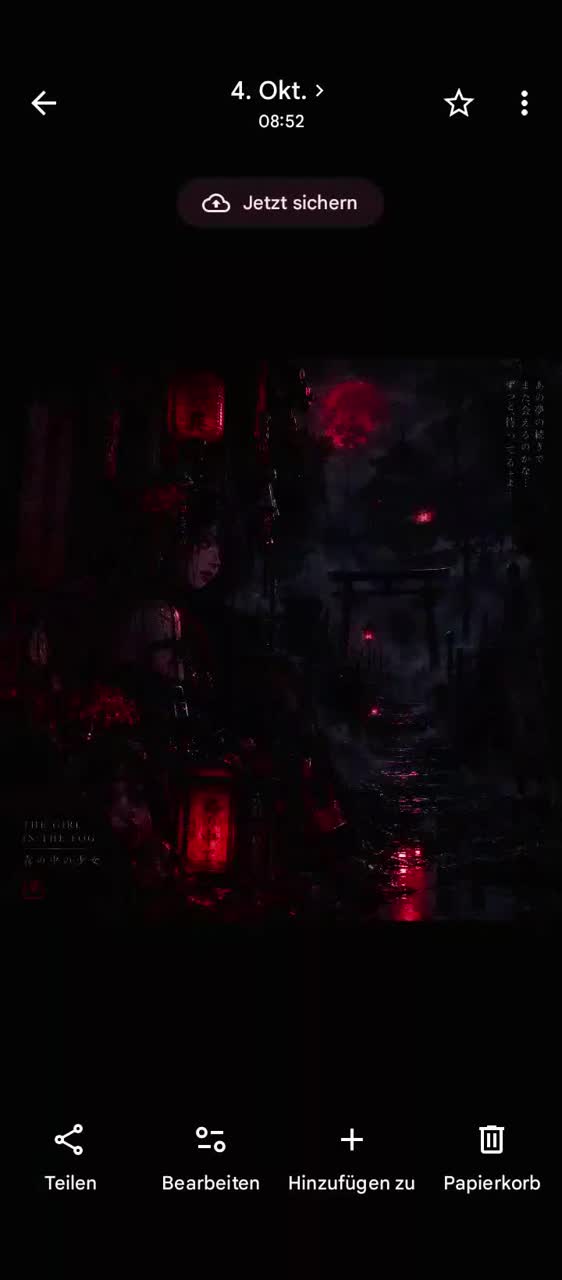

Verse 1 In the architecture of silence the stones remember how light once walked barefoot across the floor. Now the devotion of darkness unfolds its long hands, spreading like ink through every open door. We turned the night into day with trembling lamps, but the clocks kept counting backward, soft and slow. The smile that lived behind the glass has vanished— only the echo knows which way it chose to go. Pre-Chorus Time is a river that forgets its own name, carrying faces we can no longer claim. Chorus I’m here ここにいる I’m here ここに在る In the hollow between what was and what remains, I’m here ここにいる I’m here when the architecture of silence calls my name. Verse 2 Ages collapse like paper temples in the rain. What we called morning is only borrowed flame. The darkness does not conquer—it simply stays, patient as the space between one breath and the next. We painted windows on the walls of midnight, pretending the sun still owed us its old debt. Yet the smile is gone, and in its empty place a quieter geometry begins to set. Pre-Chorus Every era builds its own cathedral of quiet, then leaves the key inside a burning pocket. Chorus I’m here ここにいる I’m here ここに在る Where the night was forced to wear the clothes of day, I’m here ここにいる I’m here holding the silence that will not look away. Bridge Listen— the stones are speaking in a language older than regret. The devotion of darkness was never an ending. It was the space where everything unfinished could finally rest without needing to be forgiven. And still the smile is missing. Perhaps it became the architecture itself— a door that opens only inward, a window that looks onto nothing and finds it enough. Final Chorus I’m here ここにいる I’m here ここに在る When the ages turn their faces to the wall, I’m here ここにいる I’m here in the architecture of silence after all. The song moves through the slow, inevitable turning of eras: light that once felt eternal is replaced by a darkness that does not attack but simply remains. Human hands try to force night into day, yet something essential (the smile) slips away. What endures is presence itself—spoken in two tongues—standing inside the quiet structure that time keeps building and abandoning.
