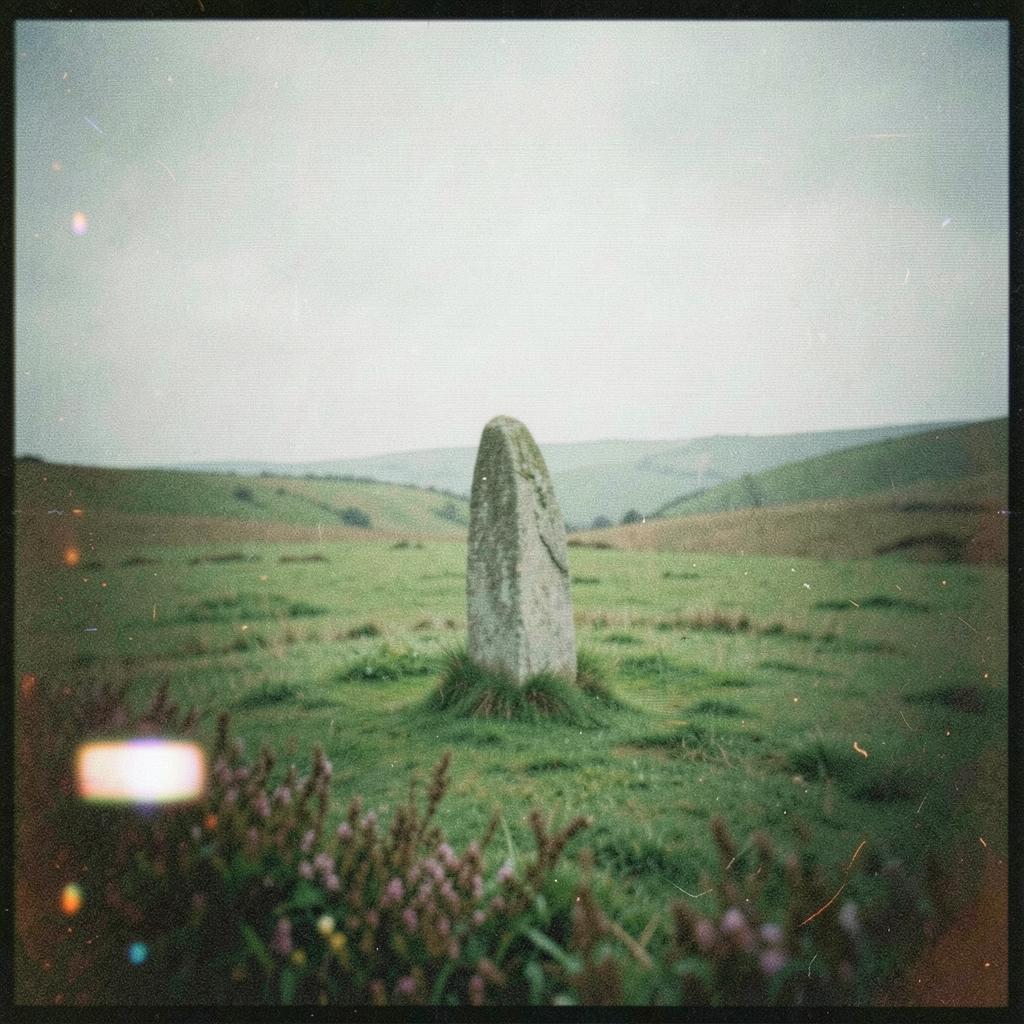
Banffshire Étude No. 10: Longmanhill and the Picts

[Open with quiet lower strings and French horns outlining a gently undulating 7/8 rhythm suggestive of the ridges and contours of Longmanhill] [Introduce a simple Grieg-like melody in the flute, direct and memorable, carrying the listener across open Banffshire countryside] [Allow clarinets and oboes to weave subtle modal phrases hinting at the distant presence of the Pictish past] [Employ warm Geoffrey Love-style strings that support rather than dominate, giving the landscape breadth and humanity] [Briefly recall a motif from Northern Horizons before allowing it to fade naturally into newly developed material] [Introduce passing echoes of earlier études through fleeting horn calls, woodwind figures and gentle harmonic references] [Feature a contemplative solo horn passage suggesting ancient pathways, vanished settlements and the endurance of place] [Build the central section through expanding orchestral colour and melody rather than dramatic tension, maintaining an atmosphere of reflection] [Unveil a completely new principal theme in the strings, representing continuity between Banffshire's ancient past and present countryside] [Allow flute, horn and strings to combine fragments of earlier themes into a unified musical tapestry that feels familiar yet renewed] [Conclude quietly with the new closing melody alone, supported by soft strings and distant harp, fading into the horizon beyond Longmanhill] ["Longmanhill stands above a landscape shaped by countless generations. Beneath its skies lie traces of the Picts, forgotten paths and enduring stories. As the third final étude of the cycle, the work glances briefly towards earlier journeys before introducing a new melody that looks beyond memory and into continuity. The land remains, the travellers pass, and the music settles quietly into the northern horizon."]
