The Last Words

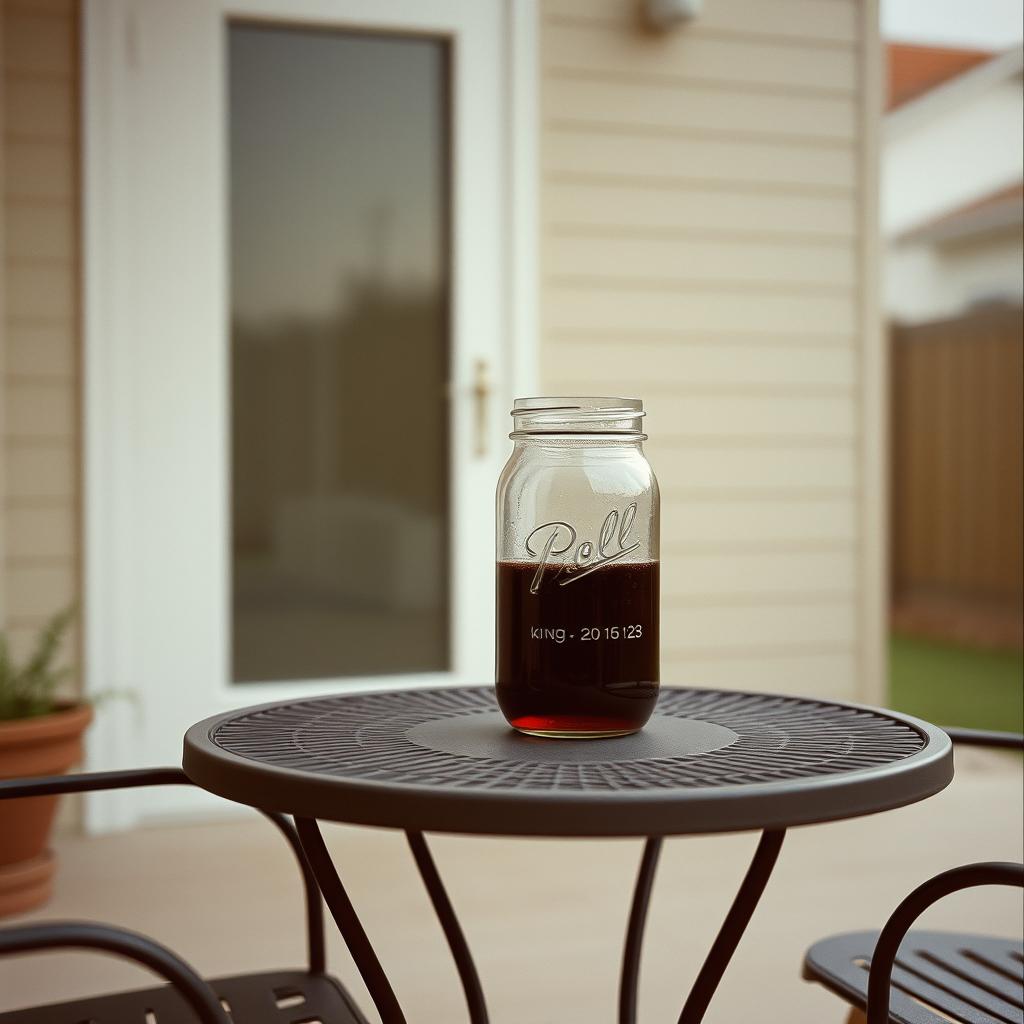
I watched this video, an unfiltered recording, intended for police training in responding to domestic violence. The woman, in her late thirties, slim, graceful, in quiet elegance, wearing with femininity a simple black blouse, is still on the phone with 911 when she opens the door to the officers. After the usual precautions in an emergency, four police officers gradually settle into the living room of a modest apartment with a closed patio door. It is a middle-class couple living in a clean bungalow, soberly furnished, in the suburbs of an American city. The couple has been living together for about four months. The woman was pushed against the kitchen door when her partner came home from work, expecting her to have left the house before his arrival. But clearly, she does not know where to go. We learn that he is sitting on a patio chair, in the dark, brooding over his thoughts. When the officers call him, the man answers politely, visibly saddened, and slowly opens the glass door. In his hand: a glass canning jar, the kind used for pickles and jams in the autumn. At the bottom of the jar, the equivalent of a glass of red wine. He has been drinking, but his voice and diction remain impeccable. He speaks slowly, rationally, to the officers, in a polite and well-mannered tone. I realize at that moment that this man, standing there, shirtless, clean in his appearance, is sharing his last words with us. He agrees to step toward the officers, yet remains on the threshold. He has confessed to everything. They have been arguing for a week. He wants her to leave the home. He pushed her against the kitchen door. He says he will cooperate, but he will not spend the night in jail. He is firm on that point. He politely repeats each instruction. He answers “yes.” A rifle rests against the patio chair. He negotiates in a calm voice, accepts to move forward, removes his foot from the threshold, and partly closes the door behind him. He repeats that he confesses to everything, that he is wrong, that he wishes to fully cooperate with justice, but that he will not go spend the night in jail. The officer steps forward cautiously to seize him and handcuff him. Suddenly, the man abruptly opens the door, retreats to the patio. The officer follows, and fires five point-blank shots, striking his chest and his legs. He falls into a fetal position. A female officer quickly picks up the rifle from the ground. The officer applies tourniquets to his legs, speaks to him to reassure him. He cries very softly, like a child. He breathes weakly. The officer tells him: “Hey, stay buddy, stay.” His face on the ground is calm. He stops breathing. And it is I who shed tears. Invaluable would have been the presence of a social worker, a man or a woman. He will not sleep in jail tonight. And his assaulted, disoriented partner will have to find a new place to live.
