Psalm 26 Sermon PART 1 — Judge Me, O Lord

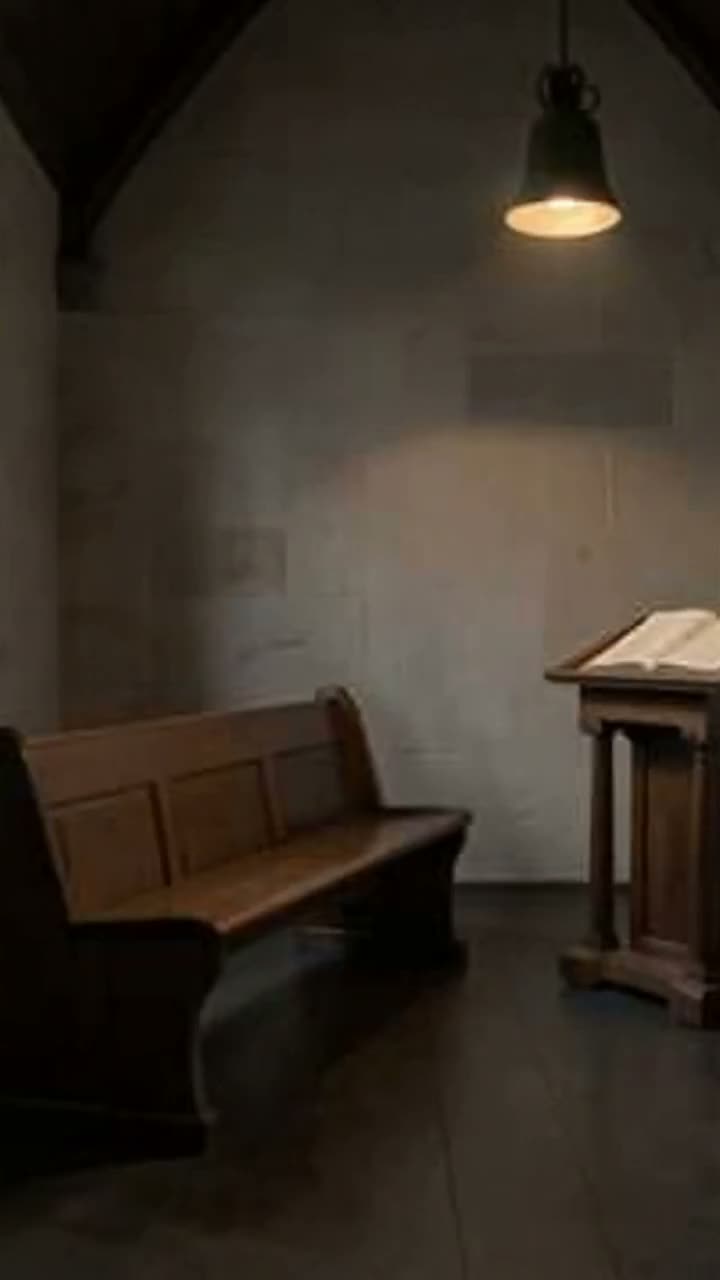
[intro] [English Puritan Theological Sermon] [Cromwellian-era meeting-house acoustic, wood and stone] [Single sustained very low note underneath, barely audible] [Faint English meeting-house atmosphere] [Preacher — warm baritone with theological precision, English Oxford-learned, measured dogmatically rigorous] Beloved brethren in the Lord Jesus Christ, we come this day to the twenty-sixth psalm of David, which is one of the psalms that the modern Christian finds most uncomfortable to pray. The reason for this discomfort is worth our attention from the outset. The psalm opens with words that sound to modern ears like self-righteous boasting. Judge me, O Lord, for I have walked in mine integrity. I have trusted also in the Lord; therefore I shall not slide. Examine me, O Lord, and prove me; try my reins and my heart. The believer here asks God to judge him. To examine him. To try the deepest parts of his heart. And he offers as the ground of his confidence his own integrity. How can this be? How can David, who in other psalms confesses the deepest sins, also pray a psalm that protests his own integrity? This is one of the great interpretive challenges of the Psalter, dear brethren, and I must address it carefully before we can proceed. [SECTION ONE — Two Truths Held Together] [Low note sustained] [Preacher — deliberate, theological] The truth is that mature faith holds two realities together that the immature mind finds difficult to integrate. The first reality is that the believer remains a sinner. The flesh, which is the old nature, continues to war against the spirit within the very heart of the regenerate. The believer who does not acknowledge this deceives himself and the truth is not in him. The second reality is that the believer has been justified through union with Christ and is being sanctified by the work of the Holy Spirit. The integrity that the believer possesses is real integrity, not pretended integrity. It is the integrity that grace has wrought. These two truths are not in contradiction. They are the two faces of the believer's actual condition under the gospel. I have written elsewhere, dear brethren, that the believer must understand himself as both justified and as one who still wrestles with indwelling sin. The same person, in the same moment, is fully justified before God in Christ and is also engaged in the daily mortification of remaining sin. The psalm before us prays from the side of justification. The penitential psalms pray from the side of remaining sin. Both are true. Both are necessary. Mature faith prays both kinds of psalms in their proper seasons. [SECTION TWO — Spiritual Warfare Is Real] [Low note steady] [Preacher — building, theological seriousness] I must say something further at this point because the matter is too important to leave unsaid. The Christian life is genuinely warfare, beloved. This is not metaphor. This is not poetic exaggeration. The believer has three enemies that the apostles named and that the church has always recognized. The flesh — which is the residual disordered desire within us, the old nature that has not yet been fully put to death, the inward pull toward what is not God. The world — which is the surrounding pattern of thought and life that pulls the believer toward conformity with what is not the kingdom. The devil — who is a real personal opponent, not a metaphor for vague evil, who walks about as a roaring lion seeking whom he may devour. These three enemies are real, dear brethren. The believer who does not recognize them is not therefore safe from them. The believer who recognizes them only theoretically is not therefore equipped to resist them. Psalm twenty-six assumes this warfare throughout. The believer who prays it is not in some peaceful garden of devotion. He is on the battlefield, asking the Lord to examine his readiness and his integrity for the continuing fight. [end]
