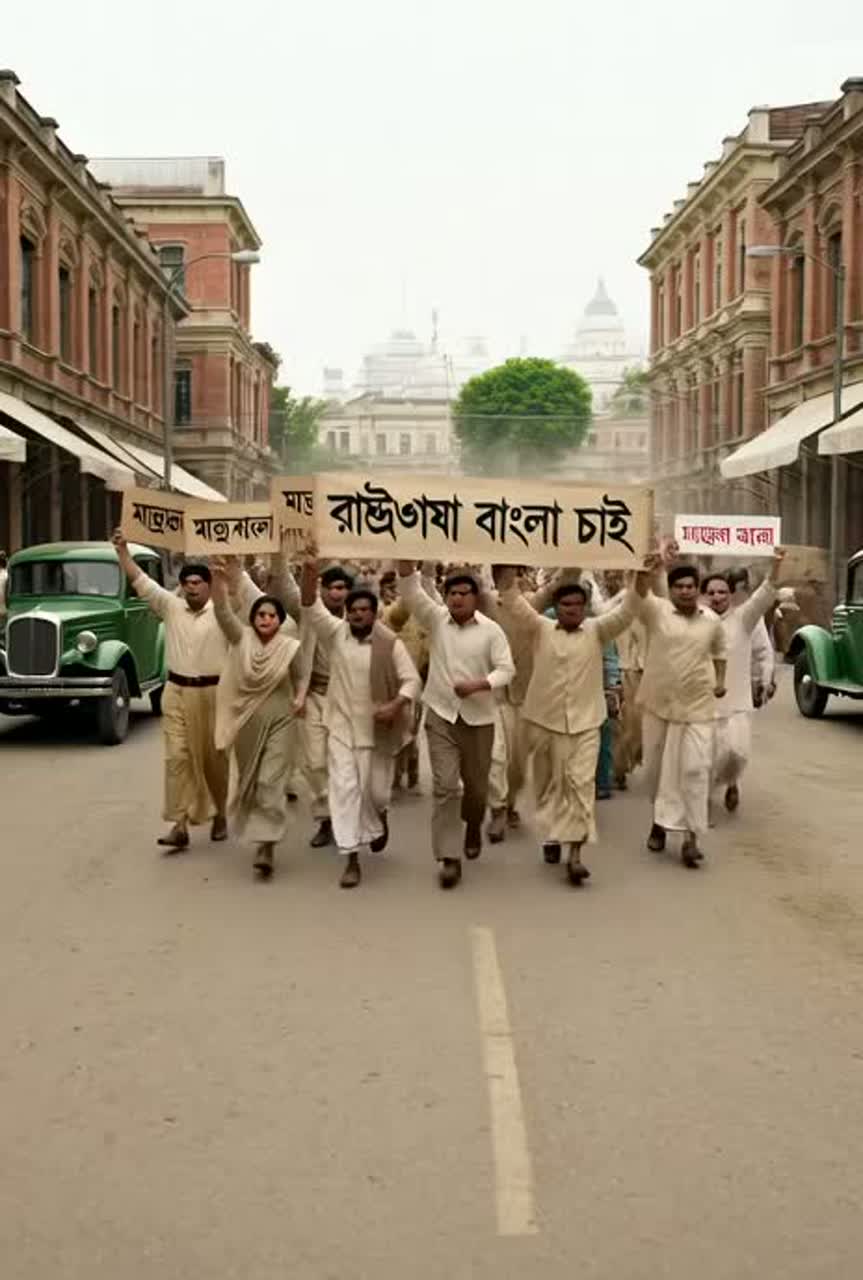

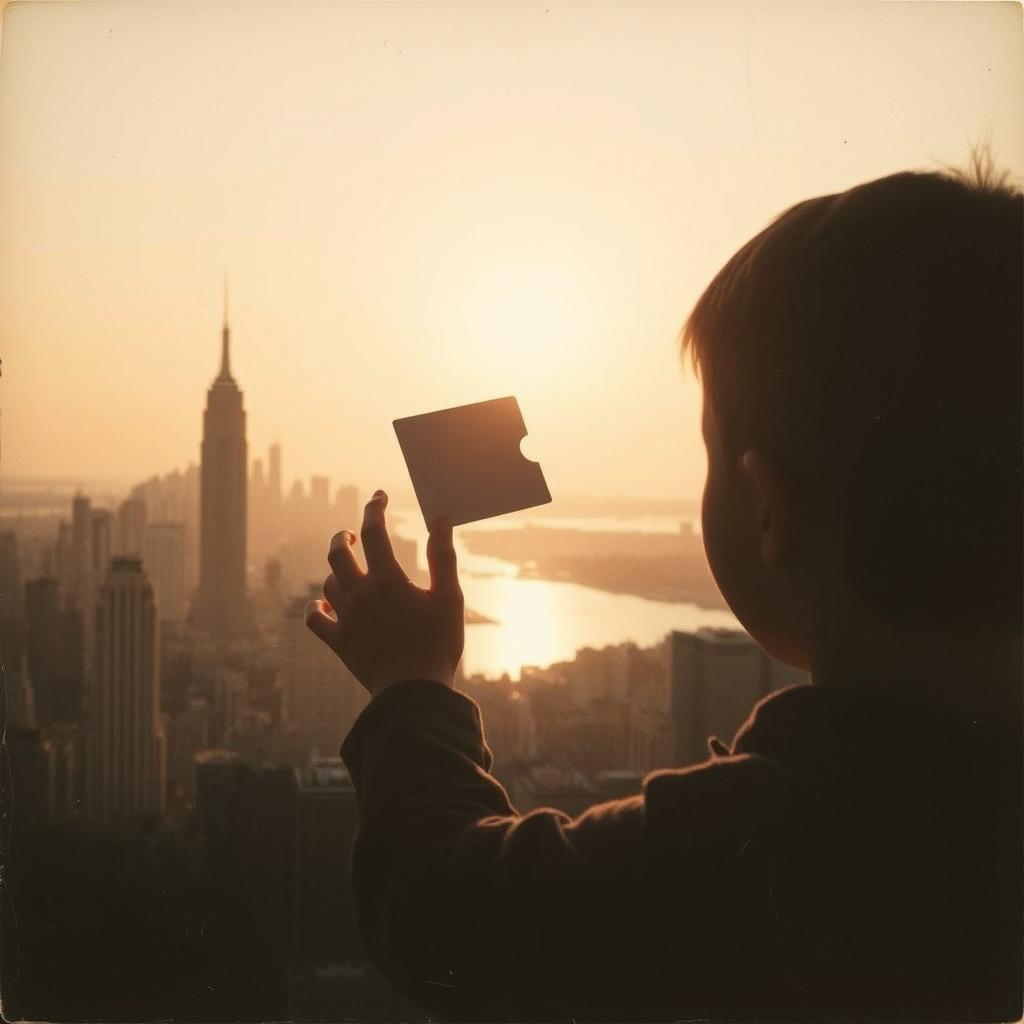
The year was 1971. Across the ocean, America was a kaleidoscope of change. Dr. King's dream still echoed, civil rights battles were being fought, and the moon landing was a fresh memory, inspiring boundless possibilities. Yet, in Bangladesh, hope felt like a distant star. Young Kamal lived in a small village nestled amidst green paddy fields. He was twelve, with eyes that sparkled with intelligence and a mind that devoured stories. His greatest joy was listening to the radio, hearing news of the world, even the static-filled reports of distant American protests for equality. He understood that longing for justice. Kamal’s own dream was simple, yet immense: school. His family was poor. His father was a fisherman, his hands rough from the nets, his mother, a weaver, her fingers nimble but tired. Education was a luxury they couldn't afford. Kamal would often sneak to the edge of the village schoolyard, pressing his ear to the thin bamboo wall, trying to catch snippets of lessons. He’d draw letters in the dust with a stick, mimicking the shapes he saw through cracks. Then came the 1970 election. The air thrummed with excitement. Everyone, even Kamal’s father, spoke of a new dawn, of their leaders finally having a voice. When the results came, they were jubilant. It felt like their silent prayers for dignity and self-determination were finally answered. But the joy was short-lived. The voice was denied. The power refused. The dreams of a nation turned to dust, then to ashes. Violence erupted. The serenity of Kamal’s village shattered. The sounds of gunfire replaced the gentle lapping of the river. Homes burned. Families scattered. School became an impossible fantasy, replaced by the grim reality of survival. Kamal witnessed horrors no child should ever see. His father, once so full of quiet hope, now walked with a heavy fear in his eyes. Kamal himself lived in constant terror, often hiding in the dense jute fields to escape soldiers. The world had truly gone mad. The fight for "dignity and equality" he heard about on the radio felt like a cruel joke in his own land. One evening, after days of hiding, Kamal stumbled upon a group of freedom fighters. They were tired, hungry, but their eyes held a fierce light. Among them was a young woman, no older than twenty, with a book clutched to her chest. Kamal, drawn by the book, approached cautiously. "What is that?" he whispered, pointing. The woman smiled, a tired but kind smile. "It's a book of poems. About our land, our people. And our future." She saw the hunger in his eyes. Not for food, but for knowledge. "Can you read?" she asked. Kamal shook his head, tears welling up. "I want to. More than anything." The woman, whose name was Jahanara, tore a page from her notebook. She drew a letter, then another, then another. She made him repeat the sounds. Despite the constant danger, the rustle of leaves that could mean soldiers, she taught him. In hushed tones, under the vast, indifferent sky, Kamal had his first true lesson. He learned more than letters from Jahanara and the freedom fighters. He learned about resilience. He learned about the price of freedom. He learned that even in the darkest times, the light of learning could ignite hope. On December 16, 1971, the war ended. A new nation, Bangladesh, was born from the ashes of struggle. Kamal, now thinner but filled with a new resolve, returned to his village. The school building stood, scarred but not destroyed. The first thing he did was run to it. The war had taken much, but it had also given him something precious: the burning conviction that education was not just a dream, but a necessity for his new country. He found other children, equally hungry for learning. And together, they would gather whatever scraps of paper and pencils they could find. Kamal never forgot Jahanara’s words, or the lesson she taught him in the midst of war. He knew that the struggles for dignity, equality, and a better future were far from over. But now, he had the tools to fight his own battles—not with weapons, but with knowledge. The new country, born from pain, was also born with a promise: that no child would be denied the right to learn, just as no nation should be denied its voice. Kamal, a boy whose dream of education was almost extinguished, became one of the first to fan that flame, teaching other children under the new, free sky of Bangladesh.
