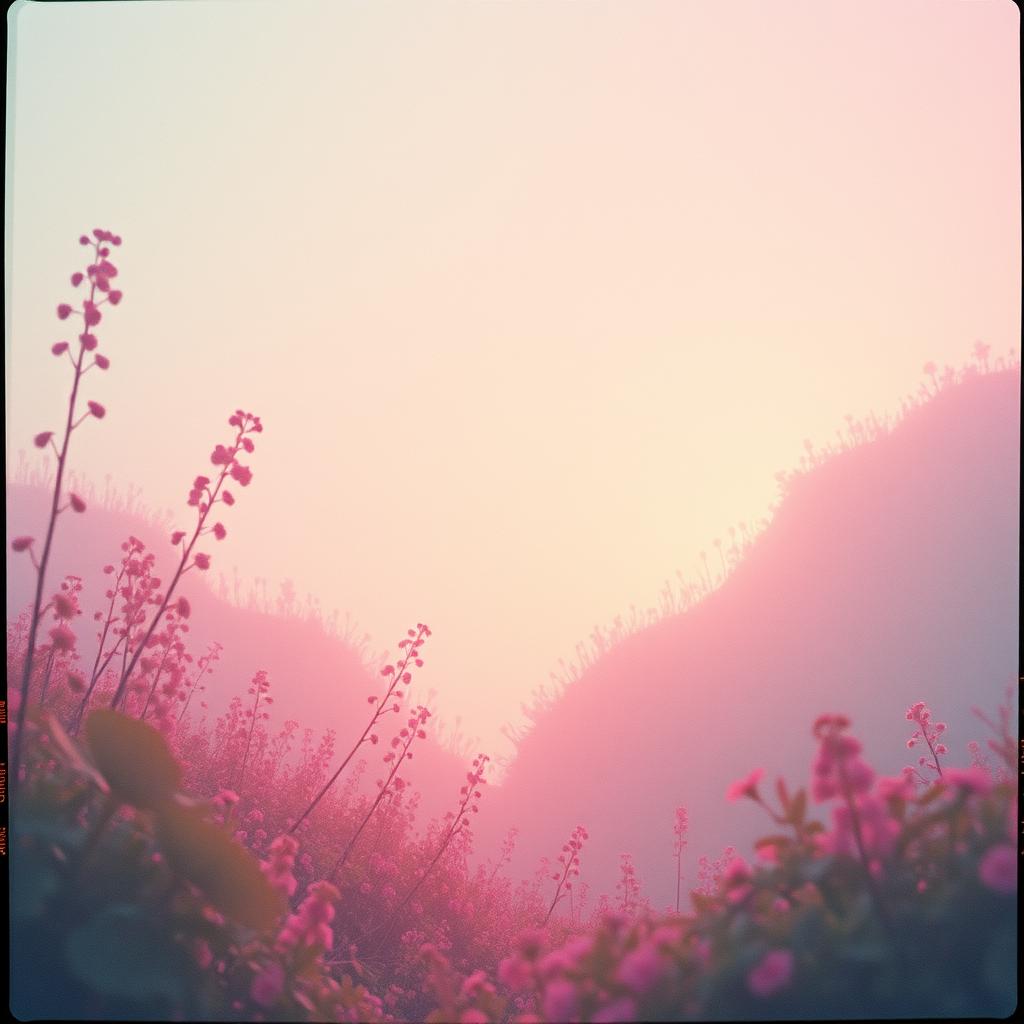

[Soft pan flutes drift like wind through high mountains. A single drumbeat — slow, like the pulse of the newborn world.] In the ages before time was measured, the world was a silent stone, cold and without color. The sky was gray, the rivers mute. Even the stars had not yet found their fire. Then came the Bard of Fate — Elkanthe, born not of flesh, but of sound itself. He walked the silent plain and listened. Where others would hear nothing, he heard possibility. He lifted his hand and drew breath. The first note trembled — a single tone that split the stillness. From that tone, light awoke. It rolled across the heavens like a dawn that would never end. [Pan flutes rise in harmony, distant choral hums swell.] His second song was softer, filled with tenderness. It touched the dust, and the dust became grass. It brushed the air, and the air learned to dance as wind. It kissed the stone, and the stone remembered warmth. He sang the rivers into laughter, and the mountains bowed in answer. The earth bloomed with colors never seen before, and even the shadows learned to shimmer. [The rhythm grows gently, heartbeat steady.] Each note he wove carried both life and chaos — for creation is never still. He smiled at the imperfection of it, the uneven beauty that made it real. And yet, deep within his melody, a yearning began to grow: a longing to make the song flawless. But that was for another age. For now, the world was young and full of music. The trees whispered his name. The stars learned to shine in harmony. And in the heart of all living things, a fragment of his tune remained — the rhythm of breath, the pulse of the sea, the song that never ends. [Flutes soften. The drum fades, echoing like a heartbeat receding into peace.] Thus was the beginning — when Elkanthe sang the earth awake, and the silence of the void became the music of life. [Final lingering chord, dissolving into wind.]
