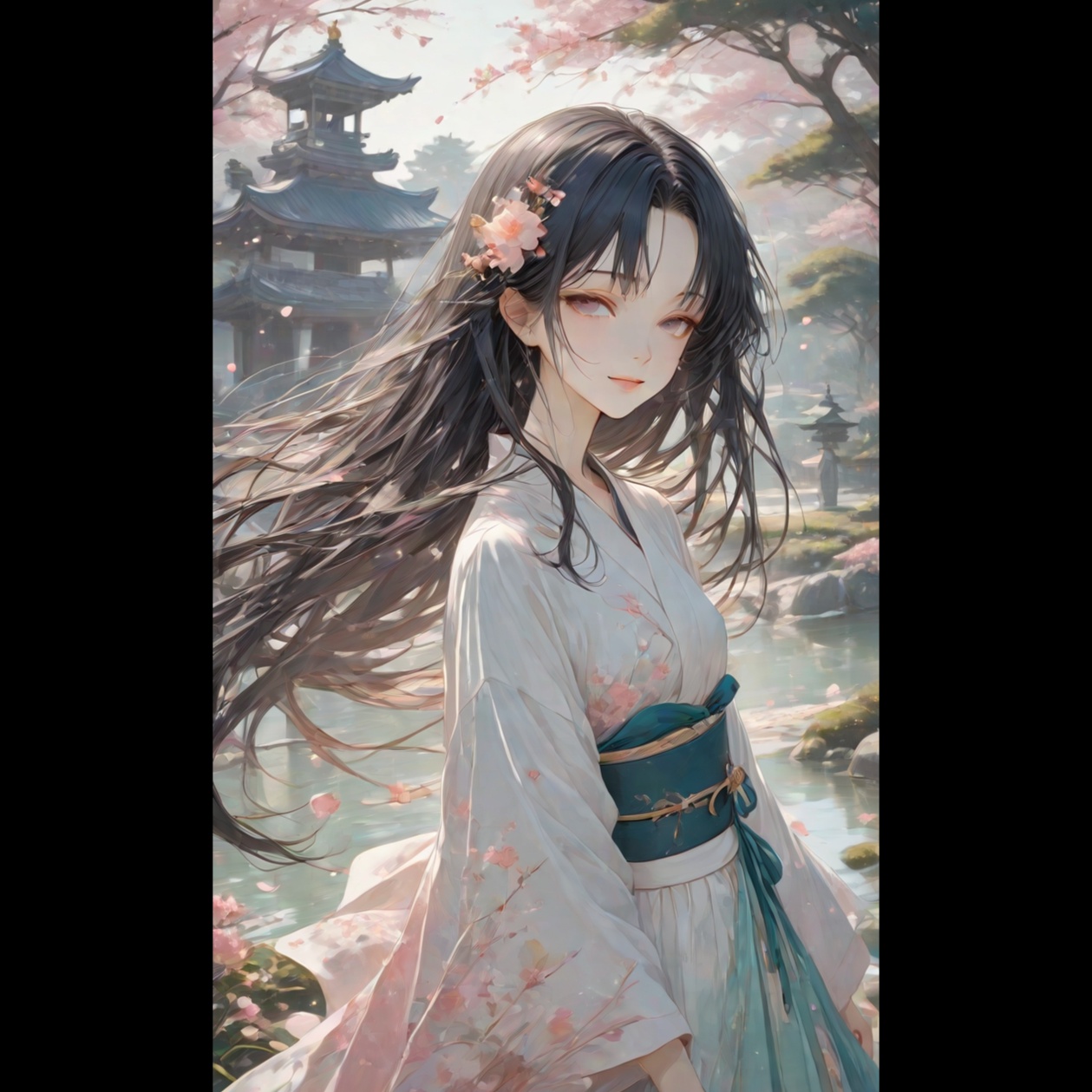
平安Rock 「沙羅双樹」

沙羅双樹(さらそうじゅ)は、仏教や古典文学に登場する特別な意味を持つ樹木です。 釈迦が入滅(亡くなる)したときに、頭の両側に咲いていた木とされ、仏教では「無常」の象徴。「双樹(そうじゅ)」とは「2本の木」という意味で、釈迦の入滅時に2本ずつ対になって生えていたことからこの名がある。 日本では、実際の「沙羅双樹(サラノキ)」は育たないため、見た目が似た**「夏椿(ナツツバキ)」**が代用されることが多い。 花は咲いてすぐに落ちることが多く、その儚さが「無常」の象徴とされる。 The sala tree is a tree with special significance that appears in Buddhism and classical literature. It is said to have had flowers blooming on either side of Shakyamuni's head when he passed away, and in Buddhism it is a symbol of impermanence. "Sala" means "two trees," and it got its name from the pair of trees that were growing at the time of Shakyamuni's death. In Japan, actual sala trees do not grow, so the similar-looking **summer camellia** is often used instead. The flowers often fall soon after blooming, and their ephemerality is considered a symbol of impermanence. 🎼 [Verse 1] 朝露ゆらめき 咲くは沙羅の花 夕べを待たずに 散りぬるを 君笑みし日々 水面にただ映る 指をのばせど 波紋のみ残しけり (古語訳) 「夢幻の如く 消えゆくか 沙羅の花に 問ひても答へず ただ 静かに ただ あはれに 一日の命 咲き誇れり」 --- 🎼 [Pre-Chorus] 夢幻の如く 消えゆくか 沙羅の花に 問ひても答へず --- 🎼 [Chorus] あゝ なぜぞ 美しきものほど はやくも空に 還りたまふや 「また明日」と 告げられずして 君は沙羅となりて 音もなく散り給ひけり --- 🎼 [Verse 2] 夏風わたるは 白き影ひとつ 触れむとすれば すり抜けるのみ 君のことの葉 胸奥に息づく 失ひてこそ 真の価知る (古語訳) 「有為は転じて 常ならず 盛者もまた 必ずは衰ふ されど 今を 咲かせし花の 潔きこと 哀れなりけり」 --- 🎼 [Pre-Chorus 2] 有為は転じて 常ならず 盛者もまた 必ずは衰ふ --- 🎼 [Chorus 2] ねぇ 我は 君に届きしや 消えなんとする 声をたづさへ 「またいつか」と 祈るよりも 沙羅のごとく咲きて 潔く散らばや --- 🎼 [Bridge](語り・ゆっくり) 祇園精舎の鐘の声 諸行無常の響きあり 沙羅双樹の花の色 盛者必衰のことわりをあらはす (現代語訳) 「祇園精舎の鐘の音は、すべてのものは常に移り変わっていくという無常の理(ことわり)を響かせている。 沙羅双樹の花のはかない色は、勢い盛んな者も必ず衰えるという道理を表している。」 --- 🎼 [Outro](歌) 朝に咲きて 夕に散る それこそが 真の美なり Verse 1] The morning dew shimmers, and the blooming sala flowers Without waiting for the evening, they fall The days when you smiled are reflected on the surface of the water I stretch out my fingers, but only ripples remain (Translated from ancient Japanese) "Are you disappearing like a dream? I ask the sala flowers, but they don't answer Just quietly, just pitifully The life of one day blooms in full glory." --- 🎼 [Pre-Chorus] Are you disappearing like a dream? I ask the sala flowers, but they don't answer --- 🎼 [Chorus] Ah, why do the most beautiful things return to the sky so quickly? Without saying "see you tomorrow," you became a sala and fell silently --- 🎼 [Verse 2] A white shadow blows through the summer wind. If I try to touch it, it will slip through. Your leaves live in my heart. It is only when I lose them that I realize their true value. (Translation of ancient Japanese) "Life is not always the same. Even the most thriving things will inevitably fall away. But the purity of the flowers that bloom now is pitiful." --- 🎼 [Pre-Chorus 2] Life is not always the same. Even the most thriving things will inevitably fall away. --- 🎼 [Chorus 2] Hey, did I reach you? Carrying my voice that is about to disappear. Rather than praying "someday again," I wish I could bloom like a sarasa and scatter with dignity. --- 🎼 [Bridge] (narration, slowly) The sound of the bell at Gion Shoja resonates with the impermanence of all things The color of the Shalla flowers reveals the law that all things that thrive must decline (Modern translation) "The sound of the bell at Gion Shoja resonates with the law of impermanence that all things are always changing. The fleeting color of the Shalla flowers represents the law that even the most powerful will inevitably decline." --- 🎼 [Outro] (song) Blooming in the morning, withering in the evening That is true beauty
