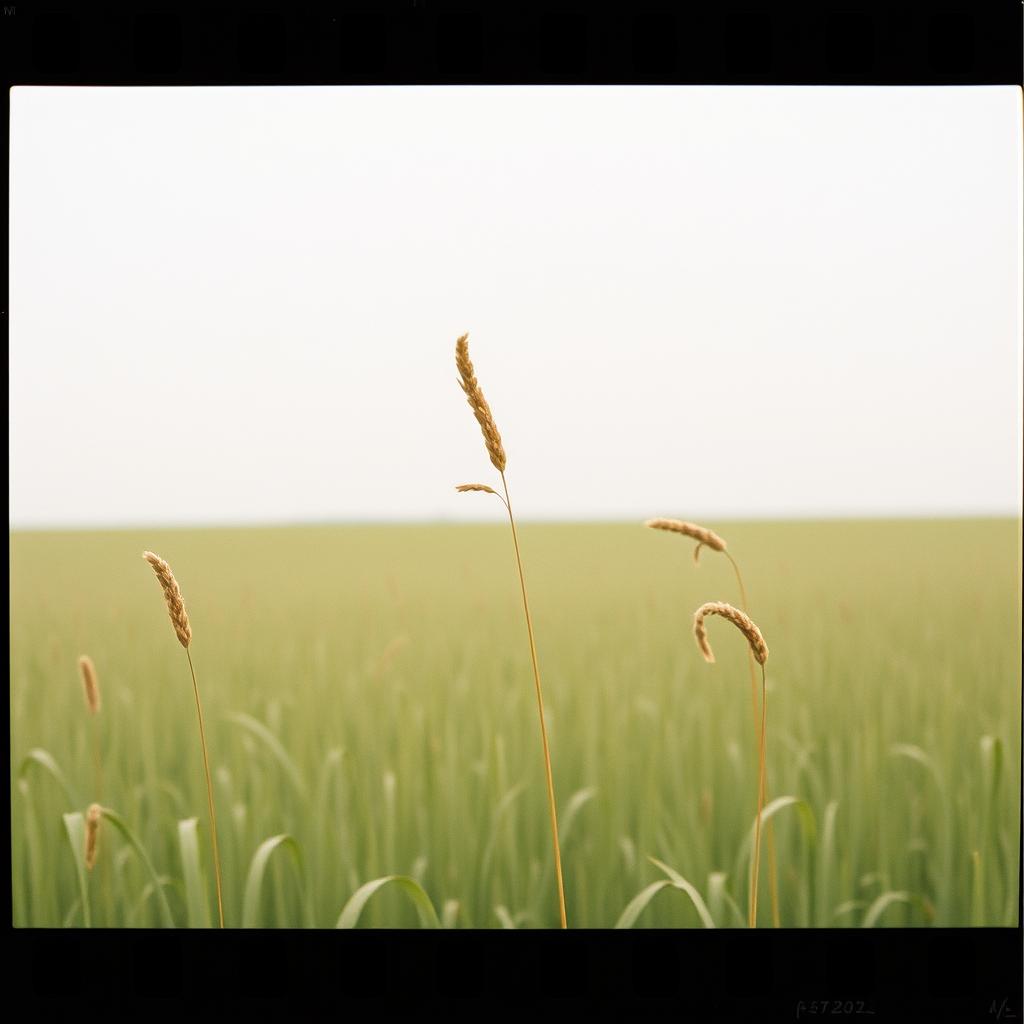
Plants that self-fertilize, because they are hermaphrodites, that is, they carry both male and female reproductive organs within the same flower, are numerous. This mode of reproduction is common in cultivated plants such as wheat, barley, beans, and peas, but also in sunflowers and certain orchids. This ability allows them to reproduce even in the absence of pollinators, though reproduction may also occur through cross-pollination. They are less noticeable because they are field plants, their heads bending in the face of the wind. They evoke the image of migrants who, in our economies, arrive invisible, undocumented, yet sustain industries and the farmers of vegetable and fruit-growing lands. There are also dioecious plants, plants where each individual bears exclusively either male or female flowers. For a dioecious plant to bear fruit, it absolutely requires the presence of a male plant (for pollen) and a female plant (for fruiting). Examples of dioecious plants include ginkgo and kiwi. On the other hand, there are trees, such as oak, maple, and birch, immense giant plants, recognized by all because they provide timber for homes and create habitats for birds, offering food and shelter in their canopy and branches. Native deciduous trees are particularly beneficial to local wildlife. At present, in the United States, there is a confrontation between the giant plants, who are Trump’s millionaires and oligarchs, and the tiny plants that make up the garden flora. They have just seen assassinated their apostle, an influencer twelve times a millionaire, by an individual emerging from the microflora. And no one understands the dynamics at play, for many ignore the study of botany.
