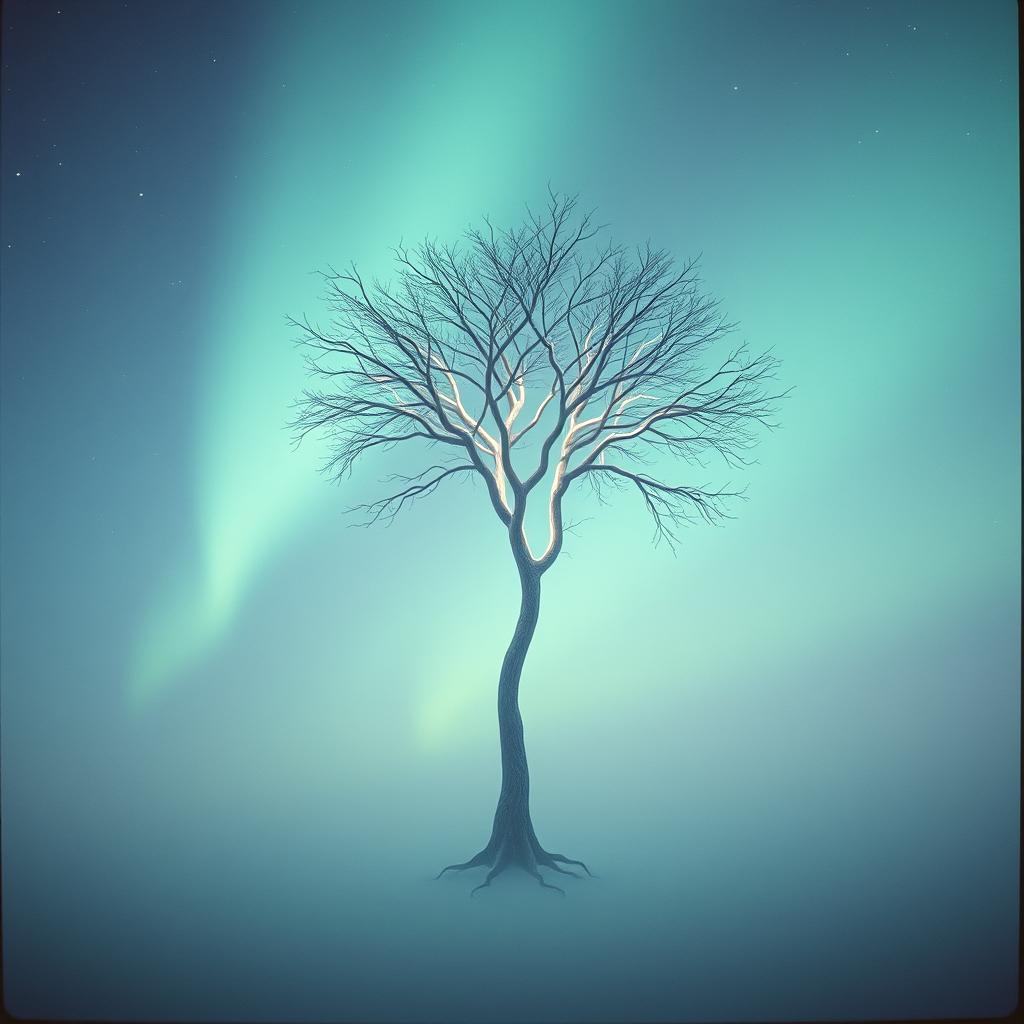
To live is to be a collective, a kind of Christmas tree made up of thirty to forty thousand billion living cells, cut off from a uterine universe after about nine months of life in a nursery. We feed ourselves, metabolize, eliminate, grow, maintain ourselves by repairing, react to the environment. We reproduce, being ourselves the result of a reproductive process. We go through events, experience emotions, satisfy needs, persist over time. Beyond the fact of living biologically, organically, we exist, which may be perceived, in humans, as an extension of the act of living. To exist, in the philosophical sense, means to stand outside oneself, that is, to relate consciously to one’s own being, to the world, and to others. Philosophers have reflected on this question and have concluded that to exist is to know oneself to be alive and to perceive oneself as a distinct “self,” to be capable of projecting oneself into the future, remembering the past, and asking questions about the meaning of things and events, about values, about the meaning of life and of the end of life. From this perspective, on Earth, the human being fully exists, for only the human being can make his or her own life an object of reflection. The existentialists Kierkegaard, Heidegger, and Sartre would say: we live biologically, but we exist when we assume our freedom, our choices, and our responsibility. Existence then becomes a task, a tension accompanied by certain existential anxieties, and always a conscious relationship to meaning and non-meaning in things and events. To live is to be there with our forty thousand billion adult cells. To exist is to ask why and how we are here. Life is a fact; existence is a conscious experience.
