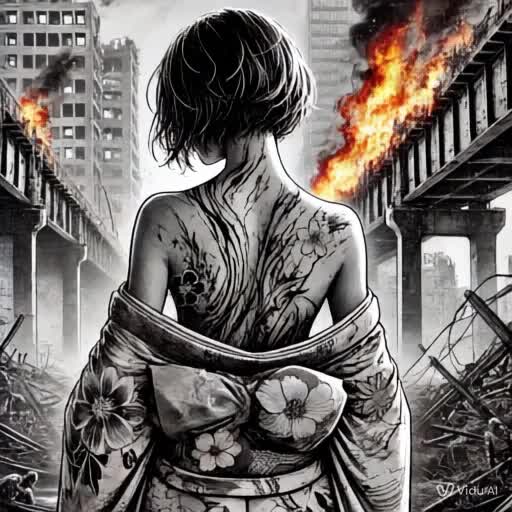
炎と毒 08-06-1945
*English translation available in Lyrics* ⚠️ぜひ、Excavatorさん、オオタカ三鷹さん、そしてLofi and…さんの視点にも耳を傾けてください。 こちらがそれぞれの楽曲へのリンクです: Please also listen to the points of view of Excavator, オオタカ三鷹, and Lofi and... Here are the links to their songs: Excavator https://suno.com/song/c02a1c8f-aba8-43e5-97e9-8c2e497364c9 オオタカ三鷹 https://suno.com/song/bcca451f-013b-44c7-94a3-fc7ba81d6400 Lofi and... https://suno.com/song/0506d298-35a1-42ad-a74f-d4b4fa88ed02 🇯🇵 この世には、言葉では言い表せないほど恐ろしい兵器が存在します。 想像を超えた、現実にある悪夢です。 耐え難く、恐ろしいものです。 それにもかかわらず、それを象徴する旗が無意識に振られることがあります。 そのたびに、その可能性が少しずつ現実に近づいてしまう。 あの兵器は、二度と使われてはなりません。 この作品は、1945年に日本を襲った核の悲劇のすべての犠牲者への追悼と深い敬意を込めて書かれました。 あの恐怖を実際に経験された方々の声を代弁するつもりはありません。 この歌はただ、計り知れない痛みの中にあっても、人間の尊厳と魂の強さを忘れないための記憶の灯です。 一つ一つの言葉は、敬意と慎重さをもって選びました。 最も暗い記憶の中にも、共感と気づきの光が生まれることを願っています。 被爆者(ひばくしゃ)という言葉は、広島と長崎の原爆投下を生き延びた方々を指す日本語の用語です。 「被」は「受ける」、「爆」は「爆発」、「者」は「人」を意味します。 「生存者」ではなく「被爆者」という言葉が選ばれたのは、亡くなられた方への敬意、そして生き残った方々の罪悪感を和らげるためでもあります。 この曲は、ノーベル文学賞作家・大江健三郎の言葉にインスピレーションを受けて書かれました。 「死を選ばず、生きることを選んだ人々。 もっとも非人間的な状況の中で、人間の尊厳を守り抜いた人々。 真の人間の力は、彼らに宿っている。」 ― 大江健三郎『ヒロシマ・ノート』より この曲の制作は、広島平和記念資料館と平和公園を訪れた経験からも生まれました。 日本で最も訪れたかった場所のひとつであり、誰にでも心から訪れてほしいと願う場所です。 また、桜子さんの歌にもインスピレーションを受け、この楽曲を形にする大きな助けとなりました。 彼女の平和への願いに、私も心から賛同します。 そして最後に、発音の間違いを丁寧に指摘してくださり、この曲をより良くするために力を貸してくださったことに、心より感謝申し上げます。 https://suno.com/song/0b39939e-9127-4697-89a5-557b695d41ff 🇬🇧 There exists a weapon of unspeakable horror. A real nightmare, one darker than any fiction. Something terrible, something unbearable. And still, some wave this symbol without realizing that each time it is raised, the possibility becomes more real. That weapon must never be used again. This piece was written as an act of remembrance and deep respect for all the victims of the nuclear tragedy that struck Japan in 1945. With humility, and with no intention to speak for those who experienced those horrors, this song is simply a tribute to the pain, the dignity, and the strength of the human spirit when faced with the unimaginable. Every word was chosen with care and reverence, in the hope that even within the darkest memory, a light of empathy and awareness might rise. Hibakusha (被爆者) is the Japanese term used to refer to survivors of the atomic bombings of Hiroshima and Nagasaki. It literally means "person affected by the explosion" and is composed of three kanji: 被 (to suffer), 爆 (explosion), 者 (person). The term was chosen over "survivor" to avoid drawing a direct contrast with "the dead," out of respect for the deceased, and to ease the burden of guilt for those who lost their loved ones. This song was inspired by the words of Nobel laureate Kenzaburō Ōe: “Those who chose to live instead of choosing death. Those who, in the most inhuman conditions, defended human dignity. The true power of humanity resides in them.” — Kenzaburō Ōe, Hiroshima Notes This track was also born from my visit to the Hiroshima Peace Memorial Museum and Park, one of the most meaningful places I have ever wanted to see in Japan. I strongly recommend it to everyone. I was also inspired by a song by Sakurako, which helped me shape this composition. I join her call for peace. And finally, from the bottom of my heart, I thank you for pointing out my pronunciation errors and helping me improve this song. Her song: https://suno.com/song/0b39939e-9127-4697-89a5-557b695d41ff MatchaChocolate69 © 2025 This song may not be reuploaded, redistributed, or used on any platform without explicit permission from the creators. Any unauthorized use, reproduction, or reuploading of this track will be considered copyright infringement and result in legal action. This work can only be remixed or covered as long as proper credit is given to the original creator. Commercial use or monetization is strictly prohibited. ****** 炎と毒 (Honō to Doku) - Fire and Poison Verse 1 まぶしきせんこう、すべてがきえゆく Mabushiki senkō, subete ga kieyuku (A blinding flash – everything disappears) じごくがくちをあけ、ごうおんがひびく Jigoku ga kuchi o ake, gōon ga hibiku (Hell opens its mouth, a deafening roar echoes) そとにいたもの、ほのおにのまれ Soto ni ita mono, honō ni nomare (Those outside were swallowed by flames) なかにいたもの、あつでつぶされて Naka ni ita mono, atsu de tsubusarete (Those inside were crushed by the pressure) かぞえきれぬほどのししゃがつまれた Kazoekirenu hodo no shisha ga tsumareta (Too many dead to be counted, piled high) Pre-Chorus ほのおはもえて、どくだけがのこる Honō wa moete, doku dake ga nokoru (The fire burns, but only poison remains) えきびょうがめぐり、じごくへといざなう Ekibyō ga meguri, jigoku e to izanau (The plague spreads, and leads us into hell) Chorus ひばくしゃよ、かげはえいえんにきざまれ Hibakusha yo, kage wa eien ni kizamare (Oh Hibakusha, your shadow is etched forever) くろいきもののもようがはだにやきついて Kuroi kimono no moyō ga hada ni yakitsuite (The black kimono’s pattern burned into the skin) それでもいきる、じごくのまんなかで Soredemo ikiru, jigoku no mannaka de (Still we live, in the heart of hell) にんげんのそんげん、まもりつづけている Ningen no songen, mamoritsuzukete iru (Continuing to protect human dignity) Verse 2 「もえている!」さけびがひびく "Moete iru!" sakebi ga hibiku ("It’s burning!" — the scream resounds) 「のどがかわいた」あわれなささやき "Nodo ga kawaita" aware na sasayaki ("I'm thirsty" — a pitiful whisper) 「はらがへった」よわよわしいこえ "Hara ga hetta" yowayowashii koe ("I'm hungry" — a feeble voice) 「おかあさん!」かなわぬねがい "Okaasan!" kanawanu negai ("Mom!" — a wish that won’t come true) いのるいがいなにもできなかった Inoru igai nanimo dekinakatta (We could do nothing but pray) ときはあのひにとまったまま Toki wa ano hi ni tomatta mama (Time has stopped on that day) かみさえゆるせぬ、そのつみを Kami sae yurusenu, sono tsumi o (Even God could not forgive such sin) Pre-Chorus (Variation) ほのおはもえて、どくだけがのこる Honō wa moete, doku dake ga nokoru (The fire burns, but only poison remains) えきびょうがめぐり、じごくへといざなう Ekibyō ga meguri, jigoku e to izanau (The plague spreads, and leads us into hell) Chorus ひばくしゃよ、かげはえいえんにきざまれ Hibakusha yo, kage wa eien ni kizamare (Oh Hibakusha, your shadow is etched forever) くろいきもののもようがはだにやきついて Kuroi kimono no moyō ga hada ni yakitsuite (The black kimono’s pattern burned into the skin) それでもいきる、じごくのまんなかで Soredemo ikiru, jigoku no mannaka de (Still we live, in the heart of hell) にんげんのそんげん、まもりつづけている Ningen no songen, mamoritsuzukete iru (Continuing to protect human dignity) Outro がれきといたみ、ほのおとどく Gareki to itami, honō to doku (Rubble and pain, fire and poison) もっともちいさなあくも、やはりあくだ Mottomo chiisana aku mo, yahari aku da (Even the smallest evil is still evil) あのしゃしんのいしに、きょうふがやどる Ano shashin no ishi ni, kyōfu ga yadoru (On that photographed stone, terror dwells)
