18) St. Pontian – The Pope Who Resigned in Exile 230–235 AD

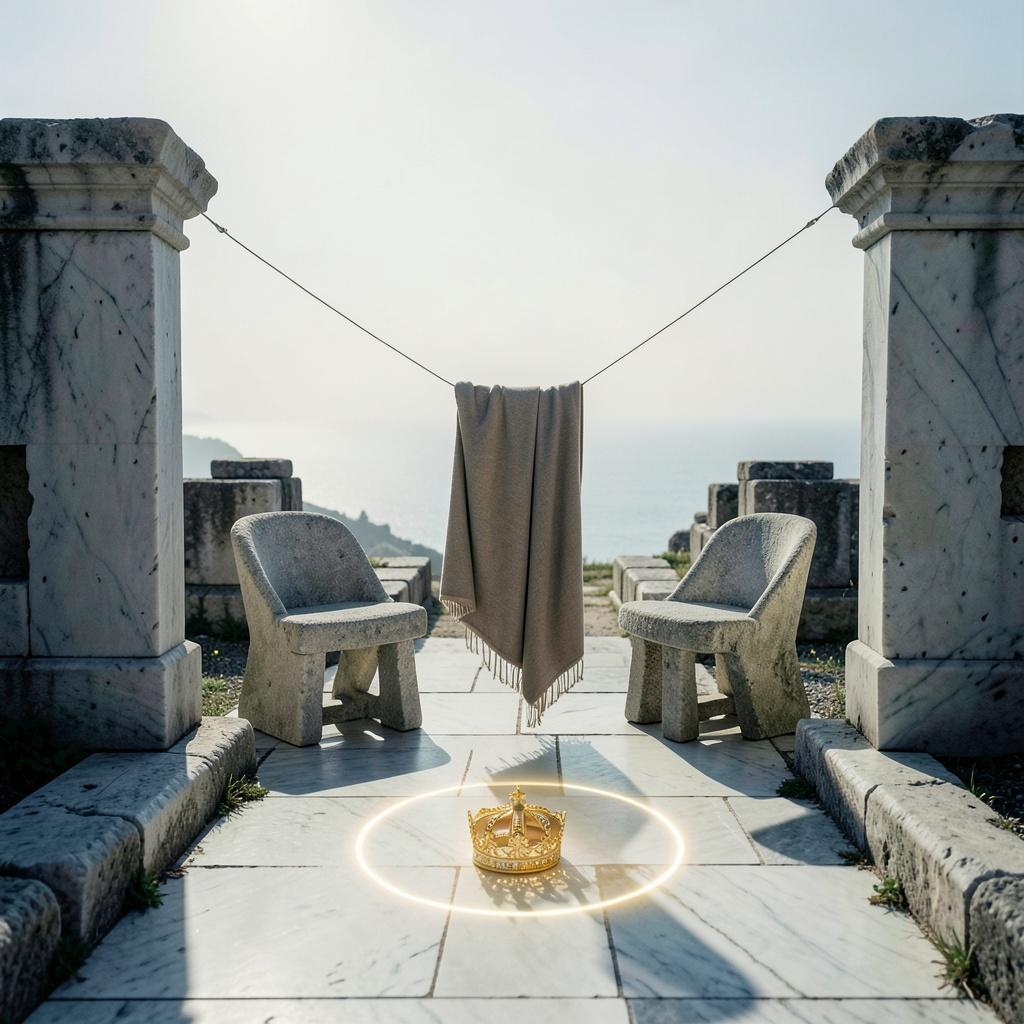
[Intro – calm] The Church was not at war. Not anymore. The voices had quieted. The arguments had faded into memory, but their echoes still remained. And I served quietly in Rome. ⸻ [Verse 1 – calm] I did not seek conflict. I did not call councils. I did not raise my voice above the Church. My task was simple: to guard what remained, to strengthen what was fragile, to keep unity alive after division. ⸻ [Chorus – calm] The Church endured. Not loudly. Not in victory. But in quiet persistence. A flame sheltered from wind. Still burning. Still alive. ⸻ [Verse 2 – shift begins] Then the Empire changed. Suddenly. Without warning. Emperor Maximinus Thrax ordered the arrest of Christian leaders. And peace ended in an instant. ⸻ [Pre-Chorus – tension rising] Soldiers entered the city. Names were recorded. The Church was marked. And I knew my time in Rome was ending. ⸻ [Verse 3 – resignation] Before I was taken, I made a decision. I resigned the office of Bishop of Rome. I set down the chair of Peter so the Church would not be left without leadership. Another would be chosen. The Church would continue. Even as I was removed. ⸻ [Chorus – darker] No throne survives persecution. No office resists empire. But the Church is not the throne. The Church is Christ’s body. And it is carried even when its shepherd steps aside. ⸻ [Verse 4 – exile] After my resignation, I was sent to Sardinia. The mines. A place where titles mean nothing. Where bishops and slaves share the same dust. Where authority cannot be spoken— only endured. ⸻ [Bridge – Hippolytus appears] And there I saw him. Hippolytus. Once my rival in Rome. Once the one called antipope. But in exile, there were no claims left to defend. No altars left to contest. Only labor. Only suffering. Only silence between us. ⸻ [Verse 5 – reconciliation in silence] We did not debate. We did not argue. We did not revisit Rome. There was nothing left to win. Slowly, the distance between us lessened— not by words, but by shared endurance. The weight of chains spoke more clearly than doctrine. ⸻ [Final Chorus] Two bishops. One resignation. One exile. And what remained of division could not survive the stripping away of everything else. Not by argument. Not by victory. But by suffering shared under the same sky. ⸻ [Outro] Rome would remember us both. Not for our conflict. But for our exile. For in the mines of Sardinia, the Church learned something Rome could not teach: that reconciliation does not always come through agreement— but sometimes through endurance until rivalry itself can no longer survive. [End]
