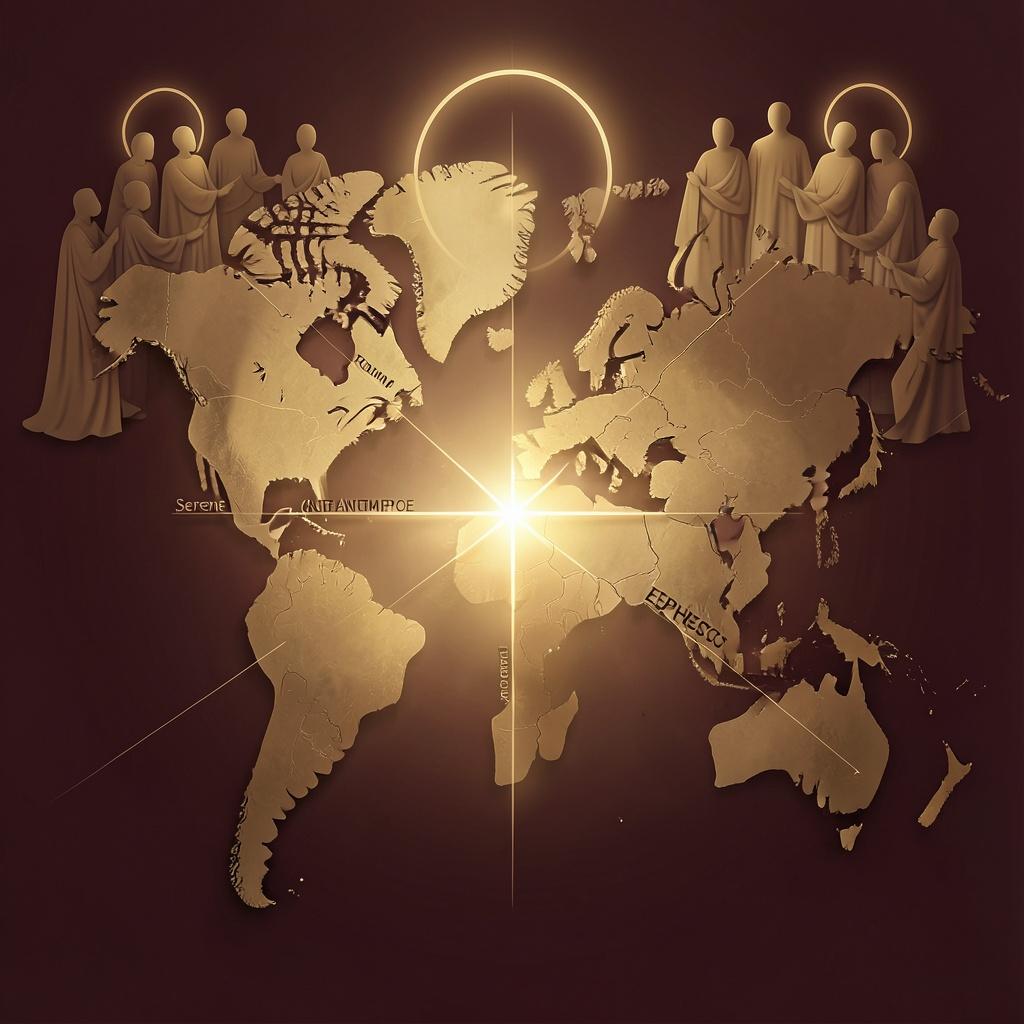
43) St. Celestine I – The Mission Sent Beyond Rome 422–432 AD

[Intro] Rome hears more than Rome speaks. And in my time, the Church begins to speak as one body— only after trembling with division. ⸻ [Verse 1] Augustine still writes from Hippo, defending grace against the pride of the will. Pelagius is already condemned in teaching, yet his shadow still lingers where human strength is mistaken for salvation. And I confirm what has been given: that grace precedes every turning of man. ⸻ [Verse 2] But another storm rises in the East. Nestorius speaks from Constantinople— dividing what must remain whole, questioning the title of Mary: Theotokos. And in that question, Christ Himself is being divided. ⸻ [Chorus] If Christ is not one, then salvation is not secure. And if Mary is not Theotokos, then the mystery of the Incarnation is torn at its root. ⸻ [Verse 3] Letters are sent. Councils are called. And I, in Rome, do not stand apart— I speak through authority entrusted, not created. Cyril of Alexandria carries my judgment into the heart of the dispute. ⸻ [Verse 4] At Ephesus, the Church gathers. Not in ease, but in fire. And Nestorius is examined, not by opinion, but by the faith once delivered. And the teaching that divides Christ is cast down. ⸻ [Bridge] This is not victory of men. It is clarity preserved. The Church does not invent truth in councils— she recognizes what has always been true and names it aloud. ⸻ [Verse 5] Even as the East trembles, the West is sent forth. Britain hears correction. Distant lands receive instruction. For truth is not confined to Rome— it must travel where Christ is not yet clearly known. ⸻ [Chorus] I am Celestine. And I do not rule alone. I confirm what is apostolic. I send what is true. And I guard what must never be divided: Christ Himself. ⸻ [Final Chorus] Grace is not earned. Christ is not divided. And Mary is rightly called Theotokos— for the One she bore is God made flesh. ⸻ [Outro] From Pelagius to Nestorius, from Africa to Ephesus, the Church is being made one voice— not by power, but by truth recognized and spoken. [End]
