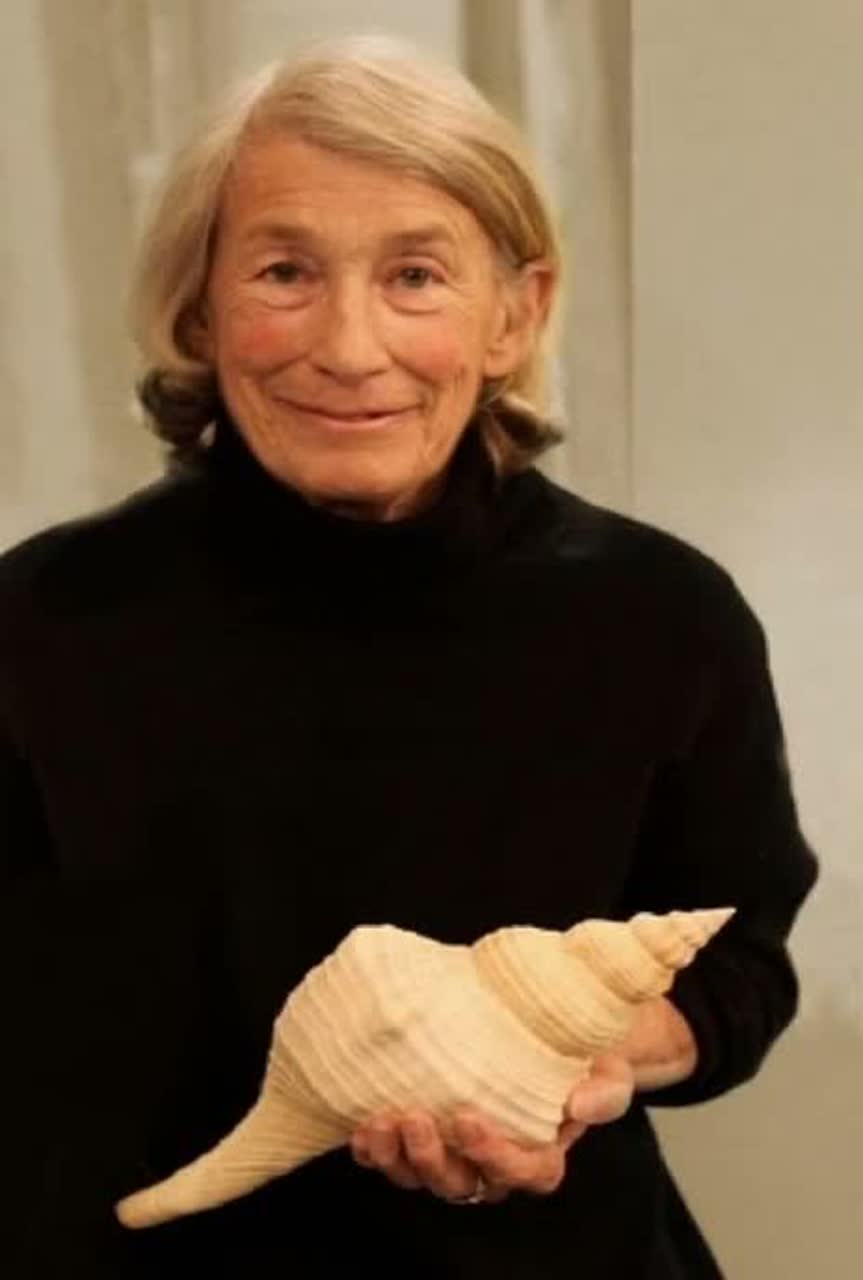
Mary Oliver was born in Cleveland, Ohio, in 1935. Her father was a teacher and her mother a stay-at-home mom. Oliver knew early on that she wanted to be a writer, and her demeanor, even as a young teen, was serious and determined. When she was fifteen, she sent a letter to Norma Millay Ellis, the sister of the late poet Edna St. Vincent Millay, asking if she could visit Steepletop, Millay’s home in upstate New York. Touched by the young girl’s admiration of her recently deceased sister, Ellis consented to the visit, and it became only the first of several that Oliver would make to Steepletop. Eventually, she was invited for an extended stay during which time she helped to organize Millay’s papers. From 1955 to 1956, Oliver studied at Ohio State University and then at Vassar from 1956 to 1957. Without earning a degree, she left college and moved to Provincetown, Massachusetts, a noted bohemian community that had earlier attracted Edna St. Vincent Millay. All the while, Oliver had been writing and publishing poetry. Millay’s influence was apparent in her work, but it also showed striking original ability for a young poet in her twenties. In 1963, Oliver published her first full-length collection, No Voyage, and Other Poems, which was reissued in an expanded edition two years later. Oliver’s second collection, The River Styx, Ohio, and Other Poems, did not come out until 1972, the same year she accepted the position of chair of the creative writing department at the Fine Arts Work Center in Provincetown. Other distinguished teaching positions followed: poet-in-residence and visiting professor positions at Case Western Reserve University, Bucknell University, the University of Cincinnati, and Sweet Briar College. In 1996, Oliver became the Catharine Os-good Foster Chair for Distinguished Teaching at Ben-nington College, where she remains today. For over four decades, Oliver has been a prolific writer of both poetry and nonfiction. She has published some sixteen volumes and has received several prestigious awards, including a National Endowment for the Arts, a Guggenheim fellowship, and, for American Primitive, published in 1983, the coveted Pulitzer Prize. Oliver followed this collection three years later with Dream Work, which contained the poem “Wild Geese.” In 1992, Oliver received yet another prestigious prize—a National Book Award for New and Selected Poems—but this acceptance ceremony marked a new era in the poet’s life. On stage, she openly thanked supporters, including Molly Malone Cook, whom she called “the light of my life.” Over the years, many readers and critics had attempted to find evidence of Oliver’s lesbian lifestyle in her work, but this speech was the first time she publicly referred to it. Ultimately, Oliver’s sexual preference has made little or no difference in her literary endeavors, and she has remained out of any political spotlight concerning the issue. She and Cook make their home in Vermont.
