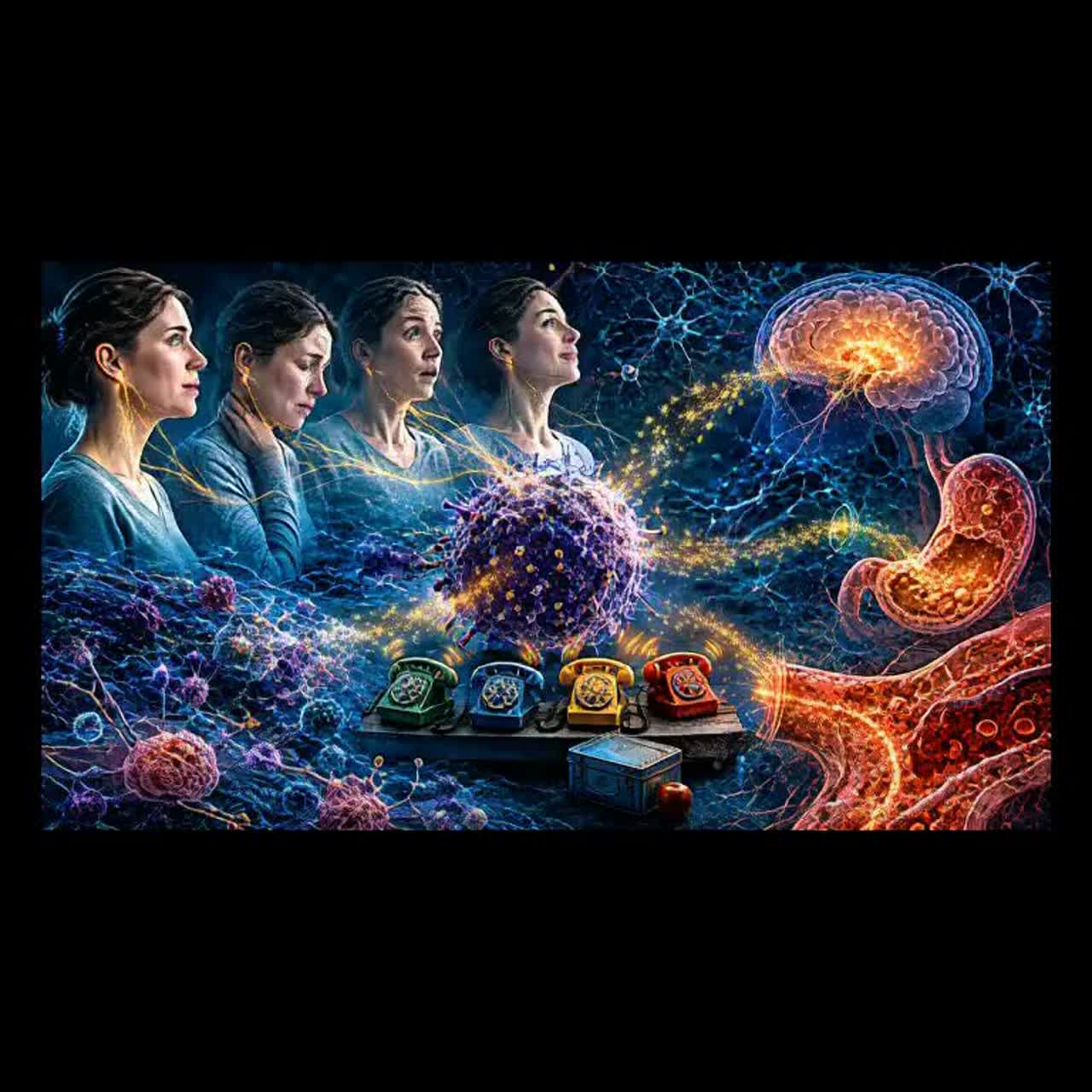

Histamine has entered the building. Allergy alarm? Wake-up call? Stomach memo? Immune-system group chat? Yes. Several jobs. Histamine’s a messenger the body needs each day. It helps us wake, digest our food and send defense our way. Mast cells guard the body’s borders skin and airway, nerves and gut. When they sense a possible danger, their storage granules open up. Allergens, heat, infection, injury or pressure ring the bell. The alarm can be protective, but too much can feel like hell. Histamine is not the villain; it’s a signal with a task. Don’t only ask, “Is it high?” Ask where, when, how much and who received the message. Histamine, histamine, messenger on the scene the body needs the signal, but it also needs routine. Ask where it was released, how long it stayed and which receptor heard. Don’t build one enormous theory from one biochemical word. It’s not simply high or low, or friend against enemy. The heart of the whole story is timing and regulation. [FOUR RECEPTORS] Histamine has four receptors four doorbells in the wall. The same hand rings each one, but they don’t answer the same call. H-one? Itch, swelling, mucus and helping us stay awake. H-two? Stomach acid, blood vessels and sometimes heart rate. H-three? The brain’s traffic manager, helping other signals flow. H-four? Immune cells moving where the body says to go. Four receptors, four responses; one-size-fits-all won’t do. The message changes meaning depending who it travels to. [BRAIN AND CLEANUP] In the hypothalamus, the T-M-N (TuberoMammilliary Nucleus) sends out a waking call. It works hardest while we’re conscious, then grows quieter as we fall. That’s why older antihistamines may make your eyelids slide: they enter the brain and block H-one there goes the afternoon. But histamine outside the brain doesn’t freely cross the B-B-B (Blood Brain Barrier). Peripheral and brain histamine are related, not the same machinery. D-A-O (extracellular & dietary histamine) works near the gut, clearing dietary supply. H-N-M-T (intracellular histamine, especially in the brain) works inside cells, including in the brain nearby. When release outruns the cleanup, signals may remain. There’s no single magic blood test that explains each foggy brain. Track patterns that repeat; don’t let online lists eat life away. The goal is not no histamine it’s better balance every day. [DBR + AT BRIDGE] An activating stimulus arrives. The deep brain asks, “Where?” That is orienting. The body prepares: that is tension. Then comes the jolt: that is shock. Feeling follows: that is affect. Orienting. Tension. Shock. Affect. O—T—S—A. Defense may move toward fight or flight, but if protective action is blocked, the system may freeze, submit or move toward collapse. The jaw begins its night shift. The neck becomes a wall. The shoulders move beside the ears and refuse to come down at all. The shoulders have promoted themselves to emergency earrings. Nobody approved this. AT Interweaves attend to the head body relationship, bracing, armoring and the action held inside. DBR follows the deeper sequence without pushing it aside. Shock residue is not histamine. It describes defense that never finished what it started. But stress and ragged sleep may lower someone’s threshold. Different layers can affect each other because bodies are annoyingly integrated. Let the jaw resign from security. Let the neck have a quieter day. Let blocked protective action find a safer way to complete. [SAFETY BREAK] {*Clinical disclaimer* Trouble breathing. Throat or tongue swelling. Fainting. A rapidly spreading reaction. Use epinephrine and get emergency care. Antihistamines cannot replace it. Breathing exercises cannot replace it. DBR + AT cannot replace it. Sometimes the wisest nervous system calls an ambulance.} Histamine, histamine, messenger on the scene helping wake the brain, protect the body and keep digestion running clean. H-one: itch and wake. H-two: stomach and vessels. H-three: brain traffic. H-four: immune movement. Orienting, tension, shock and affect let the sequence find its way. The goal is not to silence every alarm the body brings. It’s helping the system recognize what still needs answering.
