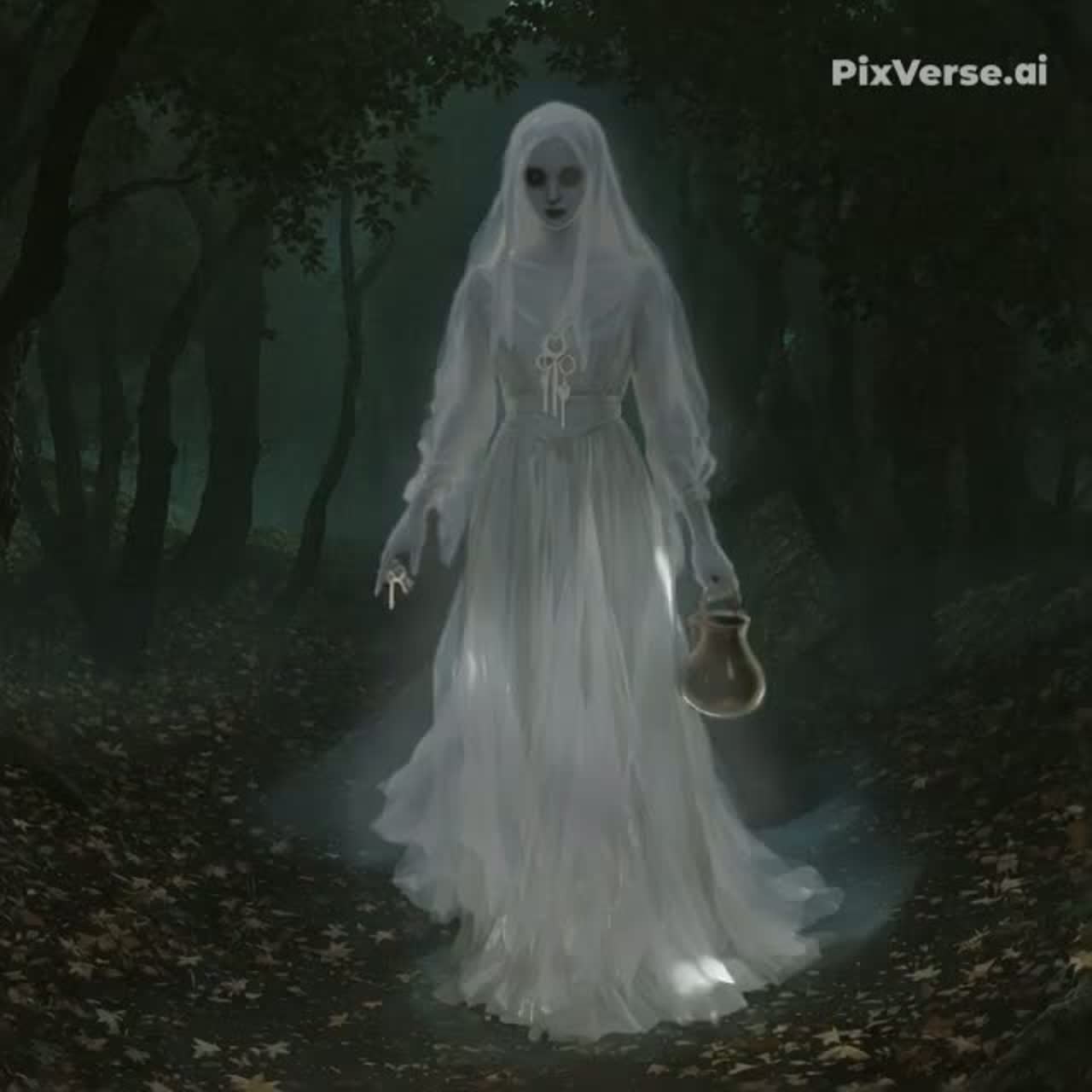
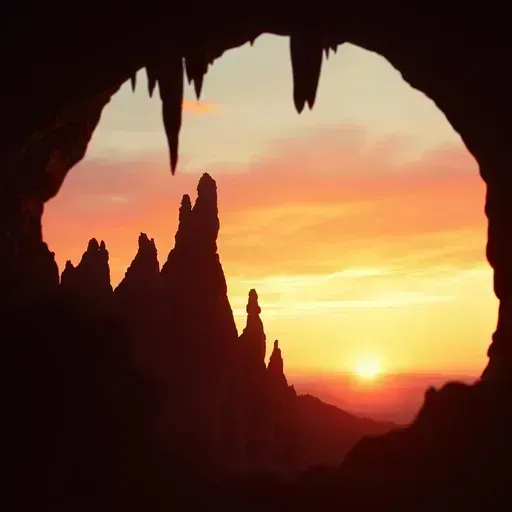
The Legend of Laura refers to the Laura Valley between Weingarten and Schlier—a narrow, dark, densely forested valley, crossed by the small river Scherzach, and at night a truly eerie place. On both sides of the valley once stood castles: on the western side Haslach Castle, and directly opposite on the eastern side Wildenstein Castle, a stronghold of robber knights. The name of the valley most likely derives either from Germanic forest spirits, the Lûren, or from the robber knights who ambushed traveling merchants (lur being Middle High German for “ambush” or “lying in wait,” comparable to the English verb to lurk). Over time, these terms were etymologically reinterpreted as the female name Laura, which likely gave rise to the legend of the unfortunate noble maiden. Incidentally, another legend is associated with Haslach Castle: Emperor Frederick Barbarossa is said to have been born there. Although nothing of the castle remains visible today, a memorial stone—the so-called Barbarossa Stone—has been erected on the site. A German version of the song (as well as the original version) can be found, together with other musical adaptations of legends, in my playlist “Legends / Sagen.” _______________________________ Near Weingarten, long ago, stood Haslach Castle, high and low. There dwelled Sir Dagobert, so proud, with Laura fair, by love endowed. A noble knight from down the vale— young Adalbert, both brave and hale— won Laura’s heart with noble grace, and gained the father's warm embrace. Their love grew strong, so pure, so bright, their wedding day was just in sight. He rode home late, the sky still clear, the stars above, the night sincere. But sudden clouds grew dark and vast, a storm broke out with furious blast. The rain came down in blinding sheets, with roaring wind and thunder beats. A lightning bolt struck turret stone, and soon the firestorm raged and shone. The ancient walls lit up in flame, the fleeing folk called out God’s name. The father fell, in smoke and pain, his cry of fear rang out in vain. He died in Laura’s trembling arms, while rain poured down in cold alarms. Where now to go, in fear and dread? Her heart to Adalbert was led. But he had seen the blaze from far, and galloped swift to where they are. Their eyes then met in stormy night, beside a bridge in ghostly light. The river roared, the forest cried, their voices lost, though both had tried. She saw the flood tear wood away, the bridge half gone, like boughs of hay. Yet still he spurred his steed with will, toward planks that trembled, barely still. The Scherzach swelled, the rafters tore, the flood became a mighty roar. He plunged below with horse and all, the current dragged him in its thrall. He fought the stream with all his might, but none can win that endless fight. And Laura watched, her voice was flame, his silhouette lost in the rain. “Oh love, what cruel and bitter fate— where you are not, I cannot wait!” So in the flood she leapt, so brave, to share with him a water-grave. [instrumental] Since then, the valley cold and deep has never truly gone to sleep. For Laura's ghost walks pale and slight through fog and forest in the night. She glides in white with gentle tread, a little pitcher by her spread. A ring of keys clinks in her hand, she drifts across the shadowed land. When moonlight touches wood and stone, her spirit wakes and walks alone. She fills her jug in quiet grace and whispers in that haunted place: "I must give drink to yonder tree, until it grows both strong and free. From its good wood a crib must be, to raise the child who sets me free." She passes by, a breath, a sigh— will that unborn child set her soul high?
