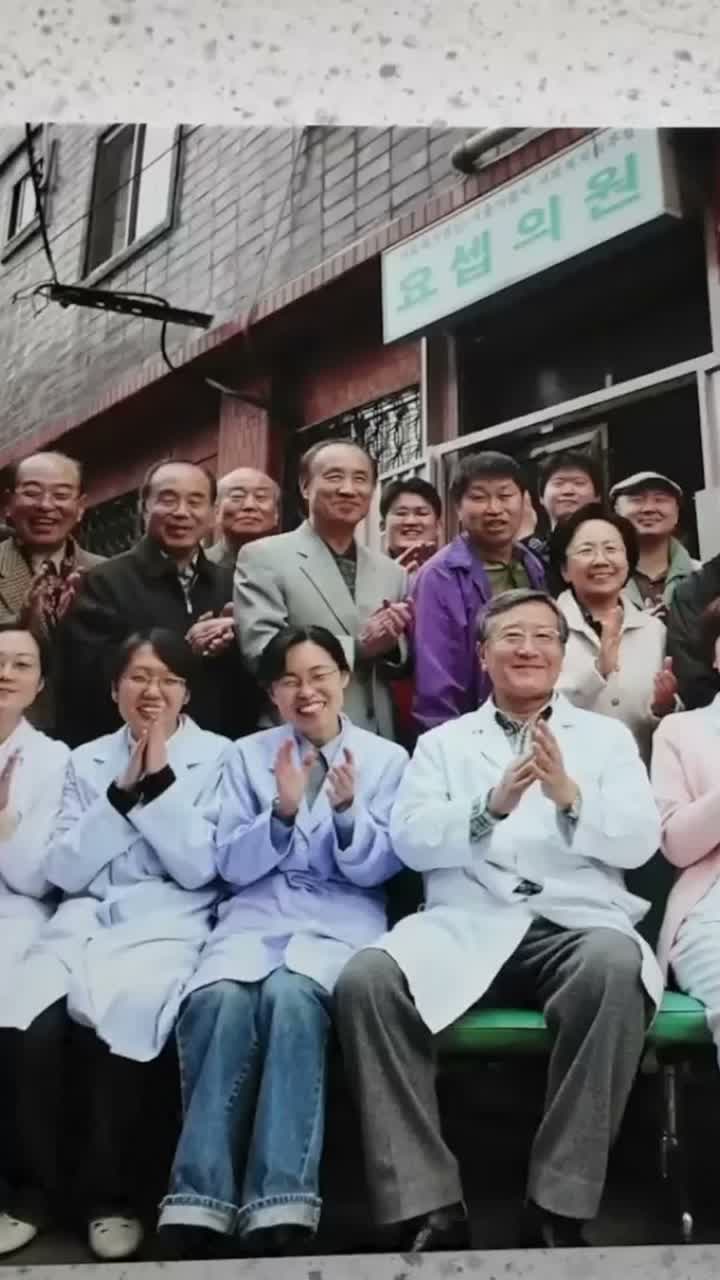

[Production Note] This song encapsulates the story of Director Sunwoo Kyung-sik, known as the "Schweitzer of the Slums," and Joseph’s Clinic, which has been a beacon for the marginalized since its beginning in Sillim-dong, Seoul, in 1987. It depicts real-life anecdotes of Director Sunwoo, who treated tens of thousands of patients for free, through a nonchalant, observational lens. Although Director Sunwoo has passed away, the clinic continues its medical service near Seoul Station today, sustained by the support of many. In recognition of his civil contribution to the nation and society, Director Sunwoo was posthumously awarded the Order of Civil Merit, Dongbaek Medal. 이 곡은 1987년 서울의 신림동에서 시작해 영등포에서 "쪽방촌의 슈바이처"로 불리었던 선우경식 원장님과 소외된 이들의 등불이 된 요셉의원의 이야기를 담고 있습니다. 무료로 수 만명의 환자를 돌본 선우경식 원장님의 실제 일화들을 무심한 관찰자적 시점으로 그려냈습니다. 비록 선우경식 원장님은 떠났으나 많은 이들의 도움으로 현재도 서울역에서 계속 진료를 이어가고 있습니다. 선우경식 원장님은 민간인 신분으로 국가와 사회에 기여한 공적을 인정받아 국민훈장 동백장을 수여받았습니다. [Verse 1] 서울역 근처를 걷다 보면 말이지 (You know, walking near Seoul Station) 참 묘한 병원이 하나 있어 요.셉.의.원 (There's this curious clinic called Jo-seph's-Cli-nic) 거기 접수실 안내문이 아주 끝내주는데 (The notice in the reception is quite something) "주민등록 안 된 사람 대환영" (People without ID are more than welcome) 이게 도대체 무슨 소린가 싶어서 고개를 갸우뚱하면 (When you tilt your head wondering what on earth that means) 그 옆엔 또 이런 게 붙어있어 (There’s another one stuck right next to it) "건강보험 있는 분들은 제발 다른 병원 가주세요" (If you have health insurance, please go to another hospital) 아니, 세상에! 여기는 공짜 병원! (Wait, for real? This place is a free clinic) 쪽방촌의 슈바이처 (The Schweitzer of the Slums) 밥부터 먹이고 주사 놓는 사람 (The man who feeds you first before giving a shot) 쪽방촌의 슈바이처 (The Schweitzer of the Slums) 수 만명의 발을 닦아준 사람 (The man who washed the feet of tens of thousands) (인생을 구해준 사람) (The man who saved lives) [Verse 2] 어떤 아저씨가 비실비실 들어오면 (When a man comes stumbling in all frail) 간호사가 피 뽑으려고 주사기를 들지 (The nurse picks up a syringe to draw some blood) 그럼 원장님이 슬쩍 나타나서 손사래를 쳐 (Then the director slips in and waves his hand) 에이, 사람 상태가 이런데 피를 뽑으면 어떡해 (Hey, you can't take blood when someone's in this state) 일단 저기 가서 밥부터 한 그릇 먹이고 와 (Go over there and get him a warm bowl of rice first) 그래서 이 병원은 소독약 냄새보다 (So, rather than the smell of disinfectant) 구수한 국밥 냄새가 먼저 코를 찔러 (The savory scent of hot soup hits your nose first) 배가 불러야 병도 낫는다는 게 이 집의 철칙 (A full stomach is the first step to healing, that’s the rule here) 본인 몸에 암이 퍼져가는 줄도 모르고 (Not even knowing that cancer was spreading through his own body) 남의 상처만 들여다보던 그 양반 (That man who only looked into the wounds of others) 청진기 하나로 43만건을 진료했대요 (They say he performed 430,000 treatments with just one stethoscope) 그게 말이 43만건이지 (I mean, 430,000 is easy to say, but think about it) [Verse 3] 화려한 병원장 명패 같은 건 (Things like a fancy hospital director's nameplate) 애초에 관심도 없었던 것 같고 (He probably didn't care about them from the start) "어디가 아프세요?" "잘 하는 장기가 있으세요?" ("Where does it hurt?" "Do you have any special talents?") 그런 시시콜콜한 질문들로 평생을 보냈어 (He spent his whole life asking those trivial questions) (참 사소하게도 말이야) (Quite insignificantly, you might say) 쪽방촌의 슈바이처 (The Schweitzer of the Slums) 밥부터 먹이고 주사 놓는 사람 (The man who feeds you first before giving a shot) 쪽방촌의 슈바이처 (The Schweitzer of the Slums) 수 만명의 발을 닦아준 사람 (The man who washed the feet of tens of thousands) (인생을 구해준 사람) (The man who saved lives) 자, 오늘 밥 안 먹고 온 사람 누구야 (Now, who hasn't eaten today?) 일단 한 그릇 비우고 와요 (Go empty a bowl first and then come back) 치료는 그다음에 할 거니까 (Because the treatment comes after that)
