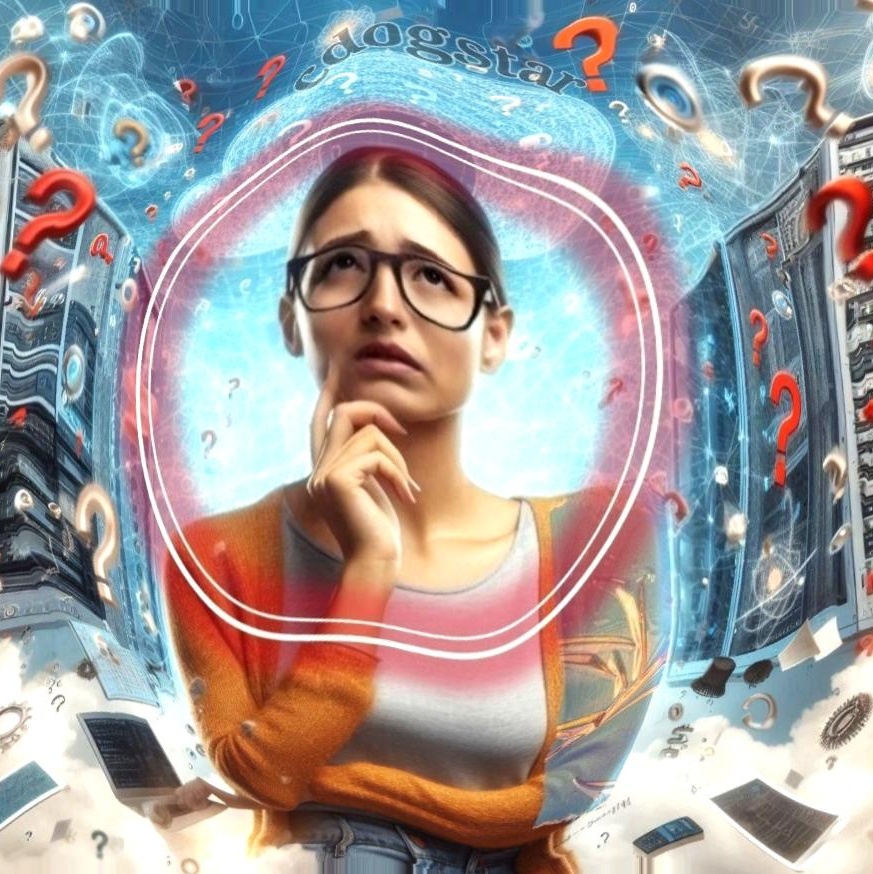
insights into how the illusion of understanding can distort our perception of reality: We tend to overestimate how well we comprehend complex topics, systems, and phenomena. This leads us to construct oversimplified mental models that fail to capture the true complexity of reality. Our brains create narratives and fill in gaps to make sense of incomplete sensory information. While this is an efficient way to process information, it can lead to biased or inaccurate perceptions of reality based on our preconceptions. We often mistake our familiarity and comfort with concepts for true understanding. The feeling of understanding something does not necessarily mean we grasp the underlying mechanisms or nuances. In conversations, we frequently think we understand others better than we actually do, leading us to make incorrect assumptions about their thoughts, intentions, and situations. Our perceptions are influenced by cognitive biases, illusions (like optical illusions), and limitations of our senses. Even when aware of these distortions, we cannot always override them to see reality objectively. We tend to favor neat, consistent explanatory models over messy realities with outliers and contradictions. This "Platonicity" leads to an illusion of understanding by ignoring complexities that don't fit our models. In essence, the illusion of understanding causes us to construct subjective perceptions and oversimplified representations of reality that fail to align with its true, intricate nature. Recognizing this illusion is key to developing a more nuanced and accurate understanding of the world around us.

0/500