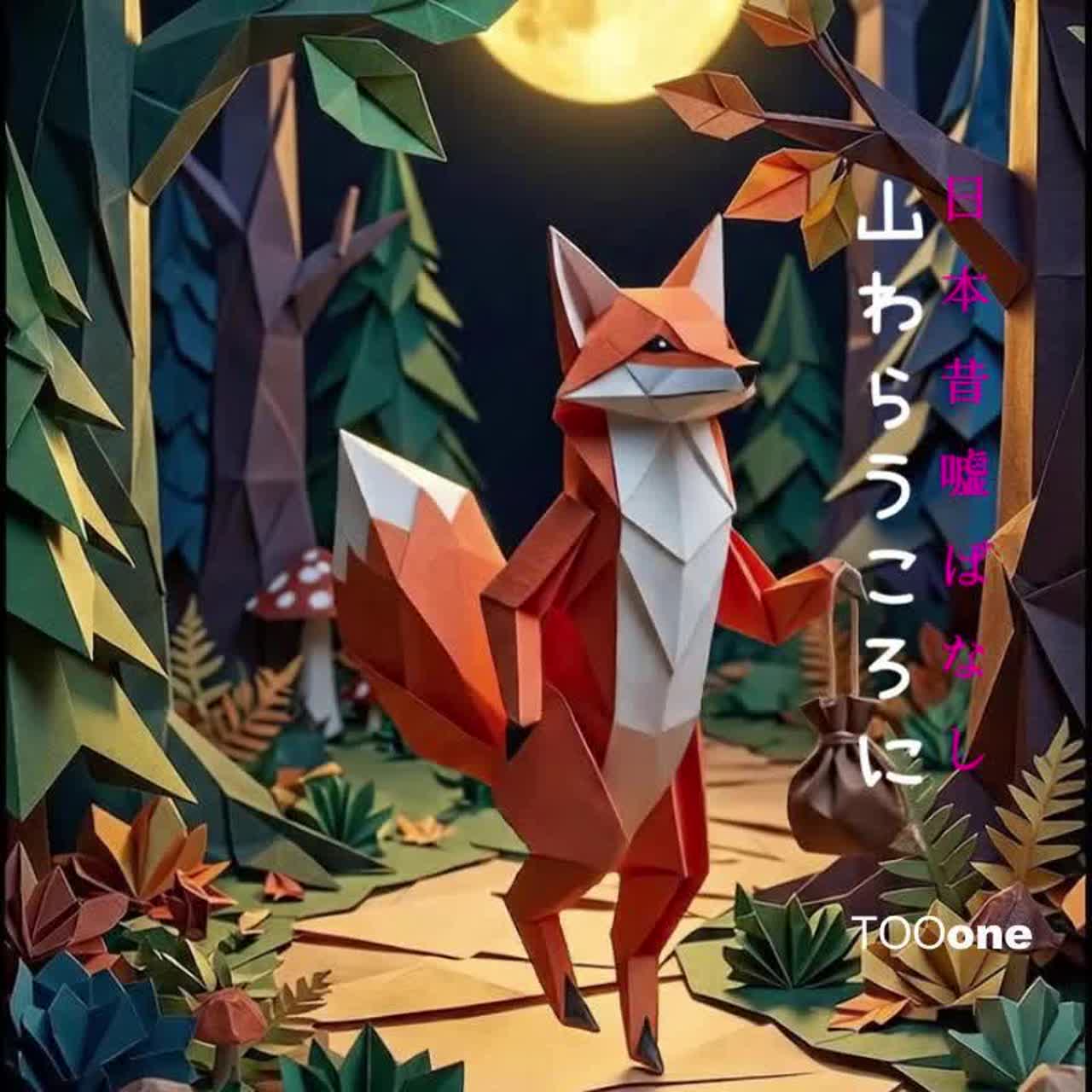

──────────────── TIPS(超初心者向け):歌詞欄を楽譜にみたてる -歌詞欄はフレージングガイド- ──────────────── 日本語歌詞の方法、いくつか経験的に理解してることまとめてみました。 ほぼ初めて歌詞をLYRIC欄に表記してみる方向けです。 ────①一行一小節感覚で AIの歌詞の組み立ては、各行の文章を一小節などの固まりと理解しがちです 一行におく言葉は、一小節でつかう言葉数にまとめておくと便利。 するとA・Bメロ(verse1・ 2)は8行とか12行とかの曲にしやすい文字量をコントロールできます。 この曲の冒頭でいうとこんな感じになります テンポ120 BPM、4/4拍子のミドルテンポなら、1小節は約2秒。 日本語歌詞では、まず1行8〜12モーラ(おおむね、ひらがな8〜12文字程度)を目安にすると、無理のない歌唱フレーズを作りやすくなります。 ただし、これは一般的な話し言葉より少しゆったりした設定。音を伸ばしたり、休符を入れたりすることを考えた、作詞上の目安です。 山こえ 野をこえ やってきた しっぽゆらゆーーら 各行のツナギはこころもち休符などがはいる感じでしあがることがおおいです。 4行一括り(4小節)と考えると 「しっぽゆらゆーーら」で軽い意味上終止感、音楽的な軽い終止感もうまれます ────②句読点、文字の空きはそのまま休符的にあつかわれることがおおい 歌の息継ぎの雰囲気、意味の変わり目に有効です ────③「ー」音引きと母音の追加で独特のビブラートが生まれる イントロの演歌など伝統的なコブシをこのようにあわわしてみました。 [Intro - Melancholic Japanese trad style Vocal like Enka style, heavy vibrato] はぁあーーーぁ...[strong vibrato of Enka]ーーあーーー ────④歌詞ブロックのメタタグに歌い方指示をいれてみる、日本語でいれても通じます [Verse:しずかな始まりと明るい展開で物語のはじまりをあらわす] [Verse2:verse1を受け、サビへの高揚感をつくっていく] [chorus:キャッチーで楽しいコーラス] ────⑤難読漢字じゃなくても漢字はひらがな併記 SUNOAIは漢字を前後関係的・熟語的に理解はしないのでメタタグでよみを入れる >さる[猿]のほらあな[洞穴] 歌詞欄でグレー反転してるのは発音しませんという合図です、よみがなをいれて後で漢字になおせるよう[]でかこみます ──────────── 🎶 Produced by TOOone ──────────── 🎼 Lyrics : TOOone with Chat-GPT 🎵 Music & Arrangement: SUNO ver.6 Tempo: Key: 🎧 Genre Styling: [Ambient ] ✖ [ Japanese ] ✖ [ Ceremonial ] 🎨 Cover Art Plan: TOOone 🎨 illustration : Flow ( nanoBANANA2.1 ) 🎬 Music Video: ・Generation: Flow( Veo3.1 Lite) ──歌詞前半────────── [Intro - Melancholic Japanese trad style Vocal like Enka style, heavy vibrato] はぁあーーーぁ...[strong vibrato of Enka]ーーあーーー [Verse:しずかな始まりと明るい展開で物語のはじまりをあらわす] 山こえ 野をこえ やってきた しっぽゆらゆーーら キツネか オオカミ おどけ顔して 笑い声 さるのほらあな 水かくしてた [Verse2:verse1を受け、サビへの高揚感をつくっていく] キツネのふくろに 古い骨 月にみがかれ 光ってた とぼけた目もとに 風がまい さるのこころが うごきだす [chorus:キャッチーで楽しいコーラス] ほいほい キツネのわらい声 山わらい 水ながれ とおくまで 骨のまじない ひとつきまれば さるのほらあなーー すがたけすーー ──────────── *Note: These tips are intended for readers who have some familiarity with Japanese.* ──────────── SUNO TIPS for Absolute Beginners Using the Lyrics Box Like a Simple Music Score — Think of It as a Phrasing Guide — ──────────── I've put together a few things I've learned through trial and error about writing Japanese lyrics in Suno. These tips are mainly for people who are just starting to experiment with the Lyrics box. They aren't strict rules or guaranteed features. They're simply techniques that have worked for me. ① Think of One Line as Roughly One Measure Suno often seems to interpret each line of lyrics as a musical phrase, sometimes roughly equivalent to a measure. So it can be helpful to keep each line short enough to fit naturally into one measure. This also makes it easier to organize sections such as verses into groups of 8 or 12 lines, while keeping the amount of text under control. At 120 BPM in 4/4 time, one measure lasts about two seconds. For Japanese lyrics, a useful starting point is around **8–12 morae per line** (roughly 8–12 hiragana characters). A *mora* is a basic unit of timing in Japanese pronunciation. This is slightly more relaxed than ordinary conversational speech, leaving some room for sustained notes, pauses, and breathing. It's just a practical songwriting guideline, not a fixed rule. Here's an example from the opening of this song: ```text 山こえ 野をこえ やってきた しっぽゆらゆーーら Yama koe No o koe Yatte kita Shippo yura yū-ra ``` Suno often adds small pauses or natural phrasing between these lines. If we think of these four lines as a single musical unit, roughly four measures, the final phrase, "しっぽゆらゆーーら", creates a gentle sense of closure, both in meaning and in the music. In other words, line breaks can work as a kind of **phrasing guide**, rather than strict bar lines. ② Punctuation and Spaces Can Suggest Pauses Commas, punctuation marks, spaces, and line breaks can sometimes influence how Suno phrases the lyrics. They may suggest breathing points, brief pauses, or changes in meaning. These marks don't necessarily become actual musical rests, but they can help communicate the intended flow of the words. ③ Long Vowel Marks and Repeated Vowels Can Create Vocal Ornamentation In Japanese lyrics, the long vowel mark "ー" and repeated vowel characters can sometimes encourage Suno to stretch or ornament a note. This may produce sustained tones, melodic variations, or even vibrato-like effects. For this song's intro, I experimented with a traditional Japanese vocal ornament called *kobushi*, commonly heard in Enka singing. Here's how I wrote it: ```text [Intro - Melancholic Japanese traditional vocal, Enka-style kobushi, heavy vibrato] はぁあーーーぁ... [Strong Enka-style vibrato] ーーあーーー Haa-aa—aa... —aa— ``` The combination of vowels and long vowel marks is intended to suggest a voice that stretches, bends, and wavers. Of course, this doesn't guarantee a particular vocal technique. Sometimes Suno may produce a simple sustained note instead. That's part of the experiment! ④ Add Performance Instructions to Section Tags You can also try adding performance instructions inside the section tags in the Lyrics box. For example, I used descriptions like these in Japanese: ```text [Verse: しずかな始まりと明るい展開で 物語のはじまりをあらわす] [Verse2: verse1を受け、 サビへの高揚感をつくっていく] [Chorus: キャッチーで楽しいコーラス] ``` Their intended meanings are: ```text [Verse 1: A quiet opening that gradually becomes brighter, introducing the story] [Verse 2: Continuing the story and building excitement toward the chorus] [Chorus: Catchy, cheerful and playful] ``` Sometimes Suno responds to performance instructions written in Japanese, too. However, for more consistent results, it's usually better to start with familiar section tags such as `[Verse]`, `[Chorus]`, and `[Bridge]`, then experiment with additional descriptions. ⑤ Use Hiragana to Help with Kanji Pronunciation Even fairly common kanji can sometimes be mispronounced by Suno. Japanese kanji often have multiple possible readings, and Suno doesn't always choose the one you intended. One simple solution is to write potentially troublesome words in hiragana. For example: ```text 猿の洞穴 ``` You can write: ```text さるのほらあな Saru no horaana ``` I've also experimented with adding the original kanji in square brackets: ```text さる[猿]のほらあな[洞穴] Saru [猿] no horaana [洞穴] ``` This helps me remember the intended kanji when editing the lyrics later. Text inside square brackets is often treated as an instruction or metadata rather than something to sing. In Suno's interface, it may also appear in gray. However, this doesn't guarantee that bracketed kanji will always be ignored or remain silent. If accurate pronunciation is the priority, writing the words entirely in hiragana is usually the safer option. ----------------------------- Final Thought: The Lyrics Box Is More Than Just a Place for Words ----------------------------- Line breaks can suggest phrasing. Punctuation can suggest breathing. Long vowels can encourage vocal expression. Section tags can guide the arrangement and performance. Hiragana can help with pronunciation. None of these techniques is a precise form of musical notation, and results will vary from one generation to another. But small changes in how lyrics are written can sometimes make a surprisingly big difference in how Suno sings them. Rather than simply telling the AI **what to sing**, you can also experiment with suggesting **how to sing it**. That's what makes the Lyrics box such an interesting creative playground.
