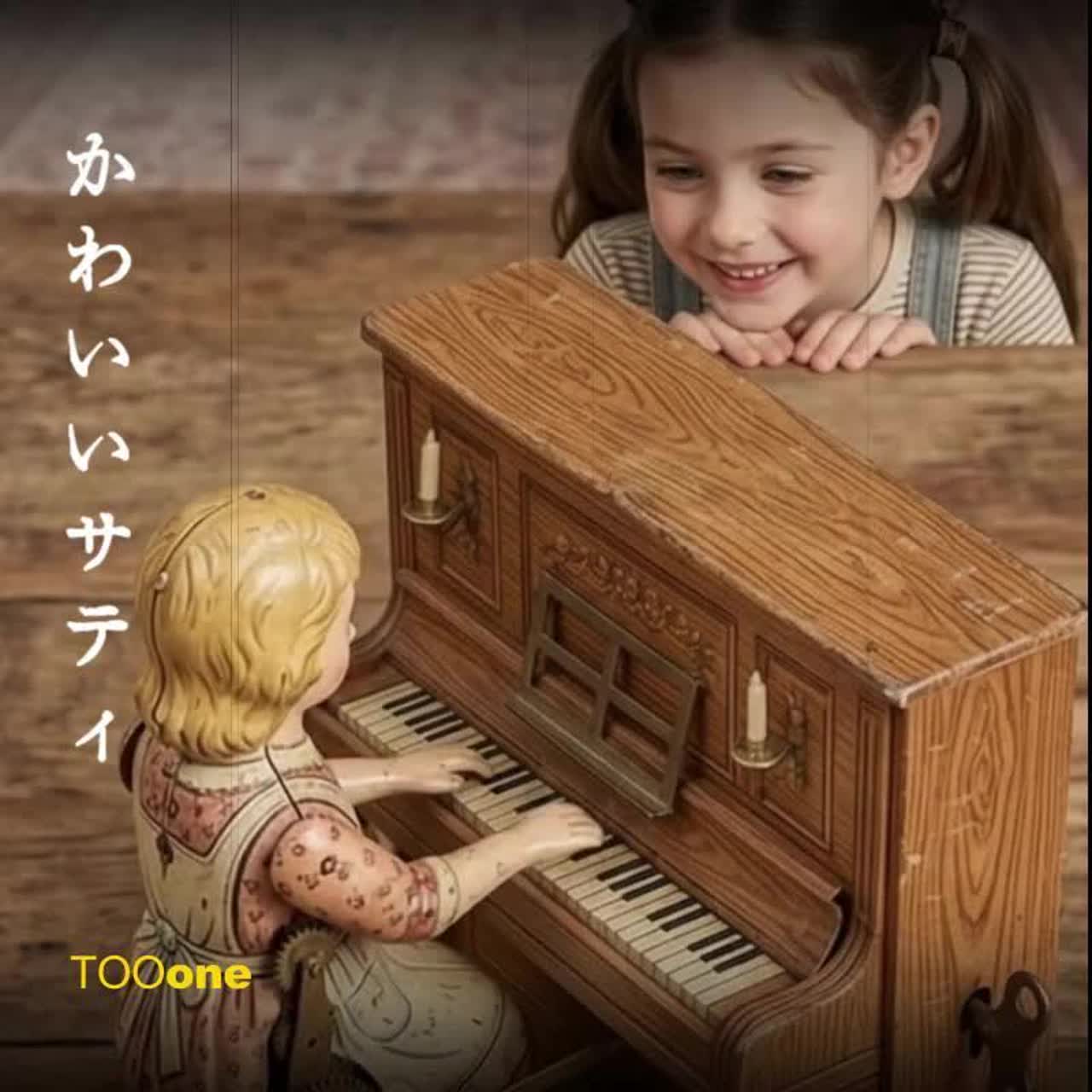
[ 21 Journal-vol.16 サビはどこにある? ] - かわいいサティ -

──────────── サビはどこにある? ──────────── TOOone × sensei — 音楽と記憶についての小さな対話 ─────第一話「サビのない音楽を聴く」───── TOOone: 先日、「ミニマル音楽の実験」という曲を公開したら、思いのほか好評でね。言ってみればサビのない音楽なんだけど。 sensei: どんな実験だったの? TOOone: 普通、SunoはイントロからAメロ、Bメロ、サビへと、盛り上がる構成を作りたがるでしょ。だから逆に、そういう展開をできるだけ避けてみた。スティーヴ・ライヒなんかのミニマル音楽を参考にしてね。 sensei: 盛り上がることを禁止されたSunoか。少し気の毒だね(笑)。 TOOone: でも面白いことに、「心地よい」「美しい」「反復が面白い」なんてコメントが来たんだよ。 sensei: つまり、サビがなくても音楽的な満足は得られる。 TOOone: そう。ポップスでは感情のピークをサビに持っていくことが多いけど、ミニマル音楽は必ずしもそうじゃない。反復の中で、ほんの少しずつ変化していく。 sensei: でも聴き手は、その中にも何かを期待してしまうんじゃないかな。変化とか、盛り上がりとか。 TOOone: そうかもしれない。で、サビのない音楽って、何を覚えて帰るんだろうね。 sensei: ひょっとしたら、サビを待っていた時間を覚えて帰るのかもしれない。 TOOone: なんだか禅問答みたいだね(笑)。 ─────第二話「サビだけが帰ってきた」───── TOOone: 昨日、一日中、頭の中でメロディーが鳴ってたんだよ。自分の曲だと思うんだけど、タイトルが全然出てこない。 sensei: 歌詞は? TOOone: それも出てこない。ただ、サビのメロディーだけ。言葉じゃなくて、音だけが残ってた。 sensei: つまり、自分が作った曲を、自分の記憶の中から探していたわけだ。 TOOone: そうそう。結局、過去の曲を聴き直して、ようやく見つけた。それがこの「かわいいサティ」。 sensei: 面白いね。作曲家の記憶の中で、曲が勝手に演奏を始めた。でも曲名は教えてくれない。 TOOone: 不親切なプレーヤーだよね(笑)。 sensei: ところで、それには「イヤーワーム」という名前があるんだ。意図しないのに、音楽が頭の中で繰り返される現象。比較的新しい音楽認知研究でも注目されているよ。 TOOone: それがサビに多いというのも面白い。サビって、そもそも人間の記憶に残るように作られているとも言えるよね。 sensei: でも、ここでひとつ疑問がある。サビだから覚えているのか、それとも覚えやすい部分をサビと呼んできたのか。 TOOone: 作り手的に言えば、感情的なピークをサビに持っていく。[gradually building excitement toward the chorus] なんてメタタグで演出するしね。でも今回、記憶によみがえったのは、派手な盛り上がりフレーズとはちょっと違った。 sensei: どんな曲だったの? TOOone: エリック・サティの「ジムノペディ」を参考にした曲。Gmaj7とDmaj7の繰り返しを基本に、イントロにはジムノペディの旋律をサンプリング風に取り入れたんだ。 sensei: それがどうして「かわいいサティ」になったの? TOOone: Future Bassと日本語歌詞を指定したら、SunoがJ-POPの方向へ引っ張っていった(笑)。サティのつもりが、ずいぶんかわいくなっちゃった。 sensei: サティも驚くだろうね。 TOOone: でも、メジャー7thの響きはよく残ってる。トニックなのに、どこか落ち着ききらない。サビもフワフワして、ちょっと物悲しい。 sensei: つまり、大きく盛り上がるサビではなく、曖昧な響きが印象に残った。 TOOone: そうなんだ。しかも「たゆたうメロディー」と歌っていた部分なのに、その言葉さえ忘れて、メロディーだけがたゆたっていた(笑)。 sensei: いいね。音楽の記憶は、必ずしも曲名や歌詞から始まるわけじゃない。旋律の輪郭だけが、先に浮かび上がることもある。 TOOone: となると、サビって何なんだろう。感情のピーク? 覚えやすいフレーズ? それとも聴き手が勝手に見つけるもの? sensei: 第一話のミニマル音楽に戻ってきたね。 TOOone: サビがない音楽を作った翌日に、サビだけを思い出すなんてね。 sensei: ひょっとしたら、サビは音楽の中にだけあるんじゃないのかもしれない。 TOOone: えっ、どこにあるの? sensei: ほら、もう君の心の中にあるじゃないか。 TOOone: ……やっぱり禅問答だ(笑)。 ──────────── Where Is the Chorus? TOOone × sensei — Little Conversations on Music and Memory** ──────────── ───Episode 1: Listening Without a Chorus TOOone: I recently released an experiment in minimal music. Surprisingly, people liked it. It's basically music without a chorus. sensei: What was the experiment? TOOone: Suno usually builds from intro to verse to chorus, aiming for a climax. I tried avoiding that, inspired by Steve Reich and minimalism. sensei: Poor Suno. Forbidden to build excitement! (laughs) TOOone: Yet people called it beautiful, relaxing, and fascinating in its repetition. sensei: So music can satisfy us without a chorus. TOOone: Exactly. Pop often puts its emotional peak in the chorus. Minimal music lets tiny changes emerge through repetition. sensei: But listeners still expect something to happen, don't they? TOOone: Probably. So what do we remember from music without a chorus? sensei: Perhaps we remember the time we spent waiting for one. TOOone: Sounds like a Zen riddle! (laughs) ───Episode 2: Only the Chorus Came Back TOOone: Yesterday, a melody kept playing in my head all day. I knew it was my song, but couldn't remember the title. sensei: Any lyrics? TOOone: Nothing. Just the chorus melody. No words, only sound. sensei: Searching your own memory for your own song! TOOone: Exactly. I finally found it by replaying old tracks. It was "Kawaii Satie" sensei: Your memory started playing the song but refused to tell you its name. TOOone: Terrible music player! (laughs) sensei: There's a name for that: a"earworm". Music that repeats in your mind involuntarily. It's also studied in music cognition. TOOone: And choruses often become earworms. They're designed to be memorable. sensei: But here's a question: Do we remember something because it's a chorus, or do we call the memorable part the chorus? TOOone: As creators, we usually build toward an emotional peak. We even use tags like [gradually building excitement toward the chorus]. But this melody wasn't particularly dramatic. sensei: What was the song like? TOOone: Inspired by Erik Satie's "Gymnopédies". Built around repeating Gmaj7 and Dmaj7 chords, with a sample-like reference to the original melody in the intro. sensei: So how did Satie become "Kawaii Satie"? TOOone: I specified Future Bass and Japanese lyrics. Suno pulled everything toward J-Pop! (laughs) sensei: Satie would be surprised. TOOone: But the major seventh sound remained. Even the tonic feels slightly unresolved. The chorus floats between sweetness and melancholy. sensei: So you remembered an ambiguous harmony, not a dramatic climax. TOOone: Exactly. The lyrics even said "tayutau melody" — a drifting, floating melody. I forgot the words, but the melody kept drifting! (laughs) sensei: Beautiful. Musical memory doesn't always begin with titles or lyrics. Sometimes only the shape of a melody returns. TOOone: Then what exactly is a chorus? An emotional peak? A catchy phrase? Or something listeners discover for themselves? sensei: We're back to your minimal music experiment. TOOone: Funny. One day I make music without a chorus. The next, I remember nothing but a chorus. sensei: Maybe the chorus doesn't exist only inside the music. TOOone: Then where is it? sensei: Look. It's already inside you. TOOone: ..Another Zen riddle! (laughs) ──────────── かわいいサティ RIMIX元 [音符のしろまほう white magic of notes] ⏬️ https://suno.com/song/7f481b7e-dfc7-4e7b-b237-a201b00f0cbf 動画のもととなったエリック・サティの写真はパブリクドメイン File: Erik Satie en 1909.PNG ( Wikimedia Commons ) ──────────── たゆたうメロディ 音符と休符の白魔法 かくされたユーモア 心踊るよ ゆるやかなFlow 海のようにたゆたい 音と沈黙が はかりあいながら 私をつつむ ここちいいポップスより チョコのフラペチーノより あなたのピアノが好き ここちよいメロディ たゆたうメロディ 音符と休符の白魔法 かくされたユーモア こころおどるよ ゆるやかなFlow 海のようにたゆたい 音と沈黙が はかりあいながら 私をつつむ 夜空のスクリーンで ゆうせい[遊星]たち踊り ピアノのしらべに 静かに歌う 夜空のスクリーンで 遊星たち踊り ピアノのしらべに 静かに歌う たゆたうメロディ 音符と休符の白魔法 かくされたユーモア 心踊るよ ------------------------------- white magic of notes ------------------------------- Softly it flows, Drifting like the open sea— Sound and silence in quiet conversation, folding me into their hush. More than cozy pops from Kōchi, more than a choco frappuccino, I love your piano— its gentle, glimmering melody. A fluttering phrase, white magic spun from notes and rests, a secret humor— and my heart begins to dance. Softly it flows, Drifting like the open sea— Sound and silence balancing one another, wrapping me in their rhythm. On the canvas of the night, planets twirl and sway, drawn to the hush of your piano’s quiet song. A fluttering phrase, white magic spun from notes and rests, a secret humor— and I dance my heart away.
