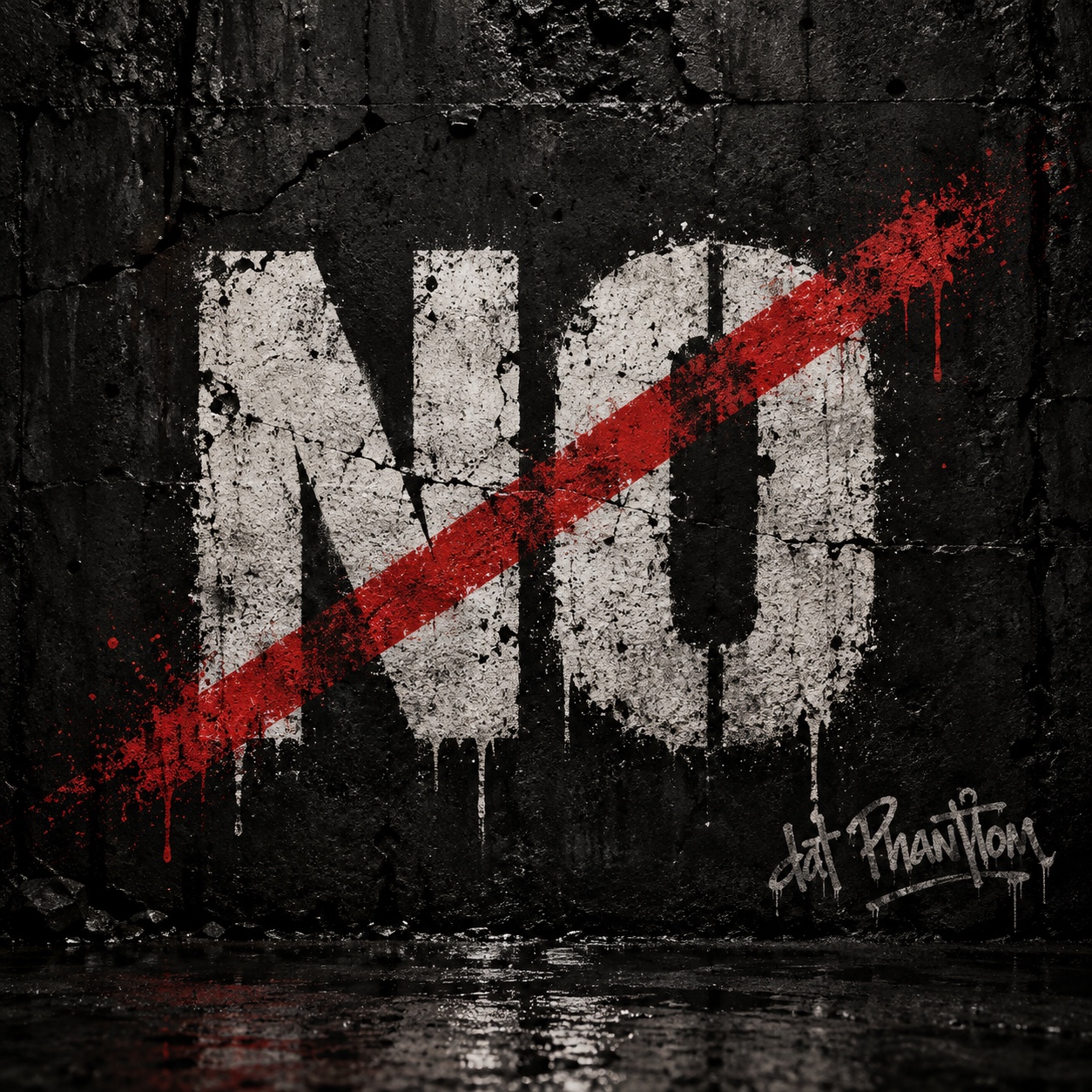


# NO [Intro] No. Two letters. One sound. One meaning. Still somehow people translate it. No. [Verse 1] You heard a “no” then you opened negotiations, bent a full stop into multiple interpretations, added conditions, revisions, permissions, turned one clean word into ten contradictions. “No” became “later,” then “maybe,” then “wait,” then “maybe they want me to test their restraint.” Nah — that ain’t nuance, that’s editing facts, cutting the sentence till meaning collapses. You want a reason? A reason ain’t owed, you want an essay attached to the “no.” Want justification, proof and a case, like every refusal needs evidence placed. Pressure gets polished and sold as persistence, ego gets dressed up as romantic insistence. Keep pushing the line, then act like it blurred, you didn’t misread it— you edited the word. [Break] No. (Meaning?) No. (Translation?) No. (But maybe—) No. Stop adding words that were never said. [Verse 2] No to the call, no favor, no meeting, no fake little smile just to soften the meaning. No to the drink, no ride, no attendance, no need to package refusal in pleasantness. Office says “teamwork,” means stay another hour, friend says “come on,” adds social pressure. Family adds guilt with a historical debt, “After all we’ve done”— yeah, heard that threat. Boundary gets tested in gradual increments, first with a joke, then polite little incidents. Push with a grin, then push with persistence, call it concern while ignoring resistance. Everybody loves “clear communication” right till the answer kills expectation. Then every sentence gets analysed slow— funny how language gets hard around “no.” [Break] No. (Need a reason?) No. (Need approval?) No. (Need permission to refuse?) No. Then why the hell does everybody want a subordinate clause? [Verse 3] Maybe is maybe, don’t merge it with yes, later means later, don’t manufacture consent. Unsure means unsure, don’t fill in the blank, silence ain’t currency sitting in the bank. Stop means stop, don’t soften the sound, not interested means don’t circle around. You want semantics? Then study them clean, don’t weaponize grammar to alter the meaning. No hidden cipher, no code underneath, no secret intention between every beat. No little loophole buried below, sometimes the whole damn message is— No. And yes can change when the context does too, a word spoken once ain’t permanently true. Yesterday’s answer don’t purchase today, agreement ain’t property stored away. Meaning exists where the language is living, not where your memory says permission was given. Words need attention, not selective respect, because hearing ain’t hearing when you edit the text. [Long Break] No. (What if I ask again?) Ask. (And again?) Ask. (And again?) Ask. Repetition doesn’t modify the answer. No. (What if I dislike it?) Irrelevant. (What if I disagree?) Still irrelevant. No isn’t an argument you have to defeat. [Verse 4] We built industries teaching objection prevention, scripts for resistance and forced intervention. “Handle the pushback,” “convert the refusal,” different terminology, same damn removal. Sales call, workplace, family pressure, different environments, identical gesture. Every “no” treated like something to crack, like respect means nothing once desire talks back. Nah — intelligence ain’t winning the fight, sometimes it’s knowing when leaving is right. Sometimes the sharpest response you can show is shutting your mouth when the answer is “no.” No semantic judo, no rhetorical flip, no lawyer-like language or linguistic trick. No clever reframing that alters the role, no context injection to swallow the whole. Wording and sense finally perfectly match, no broken translation, no hidden attachment. Two letters standing exactly in place— No. Read it once. Then leave it that way. [Final Break] No. (No translation.) No. (No correction.) No. (No interpretation.) No. Don’t improve it. Don’t explain it. Don’t rewrite it. Read it. No.

0/500