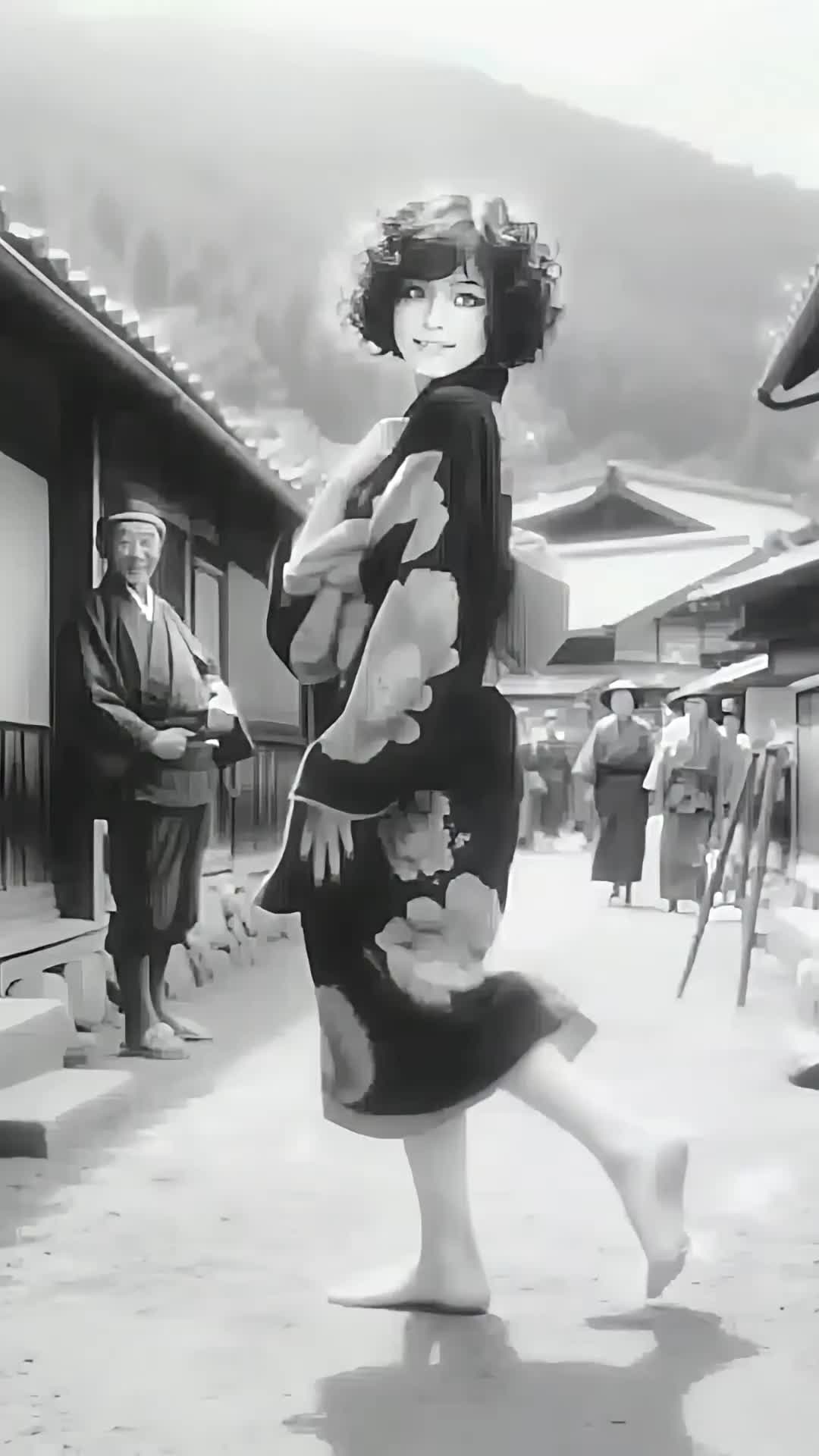
[LK01] 酒唇の写真 (feat. K-Liz) #和フェス
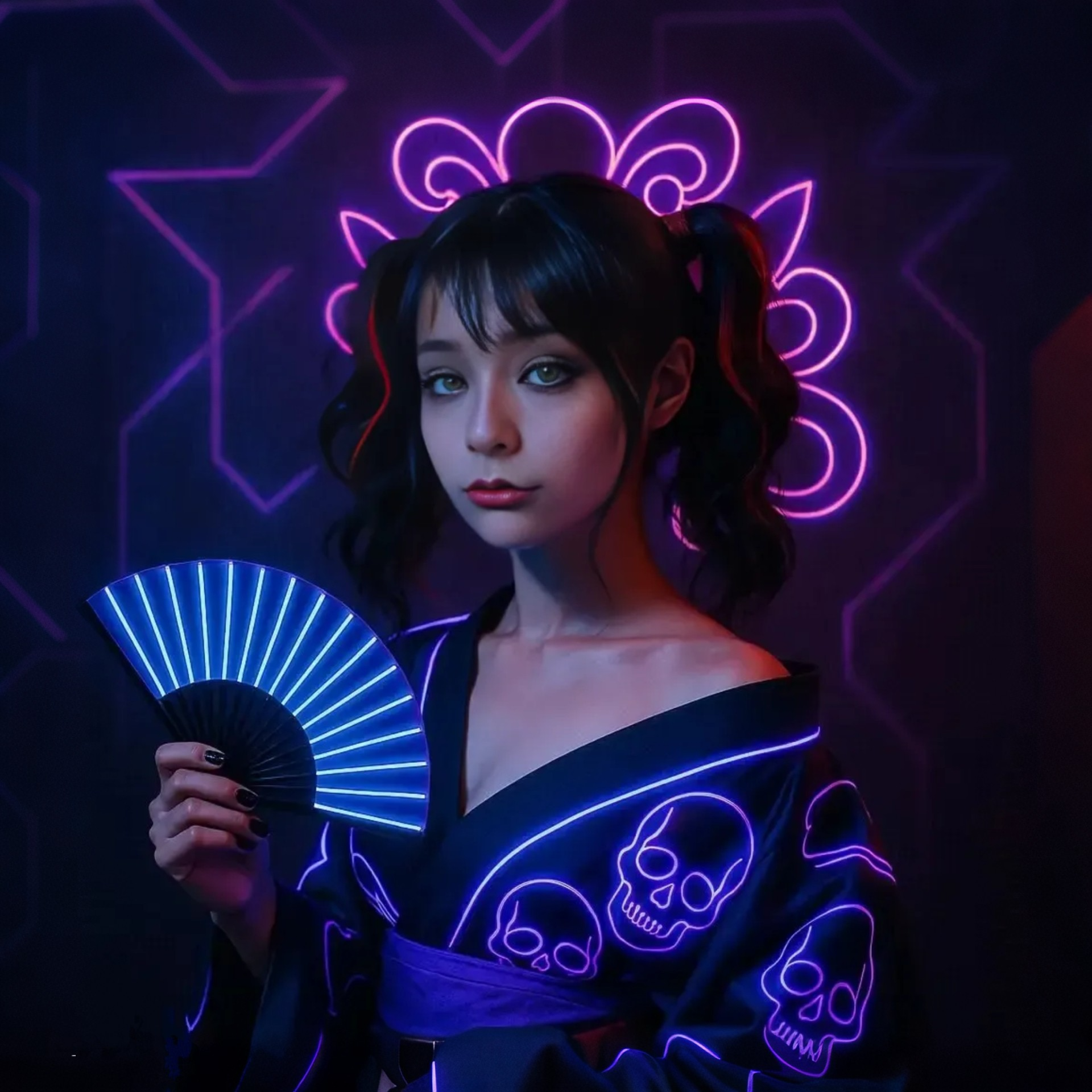
"Quasi quasi vado altrove, ma non in Giappone" This track is the drunken result of a meta-crush of universes. In Letizia's world, it's a biographical tale—about why she had to leave Japan—disguised as a tragic, third-person folk story of a fictional character: Shushin. In the real world, it's a (not-so-skillful) adaptation and reworking of Bocca di Rosa by Fabrizio De André (the story, not the music), who is partially but undoubtedly inspiration behind Letizia. So I was inspired by a fictional character to create a fictional character... and that fictional character, in turn, created another fictional character who embodies herself. Each one looking back and asking: what’s real and what’s not? Me included? ... (Musicwise it ia a cover and re-adaptation of "Autoritratto di un’artista di merda". Damn, I love this chord progression) **** ***** **** [ENGLISH TRANSLATION FURTHER BELOW] 「酒唇」と人は呼ぶ "Shushin" to hito wa yobu どこへ行っても愛をまく Doko e itte mo ai o maku 「酒唇」と人は呼ぶ "Shushin" to hito wa yobu 何よりも先に愛をまく Nani yori mo saki ni ai o maku 田舎町の片隅で Inakamachi no katasumi de 静かに暮らす人々に Shizuka ni kurasu hitobito ni 酒唇は風のように現れた Shushin wa kaze no yō ni arawareta 愛を飲ませる口を持って Ai o nomaseru kuchi o motte 愛を交わすにも色々 Ai o kawasu ni mo iroiro 義務でやる者もいれば Gimu de yaru mono mo ireba 商いにする者もいる Akina i ni suru mono mo iru 酒唇はただ夢中だった Shushin wa tada muchū datta 嫉妬はすぐに火をつけた Shitto wa sugu ni hi o tsuketa 女たちは集まり囁いた Onna-tachi wa atsumari sasayaita 「あの唇は災いの酒」 "Ano kuchibiru wa wazawai no sake" 夫を酔わせる悪い花 Otto o yowaseru warui hana 男たちは朝早く Otoko-tachi wa asa hayaku 柱の影に並び立つ Hashira no kage ni narabitatsu 祭りでもないのに Matsuri demo nai no ni 心は灯に誘われる Kokoro wa hi ni sasowareru 僧の言葉も届かずに Sō no kotoba mo todokazu ni 説法よりも唇に惹かれ Seppō yori mo kuchibiru ni hikare 経を唱えても虚しく Kyō o tonaete mo munashiku 皆は香の匂いに集う Mina wa kō no nioi ni tsudou 僧は村の女たちと Sō wa mura no onna-tachi to 相談し酒唇を裁いた Sōdan shi Shushin o sabaita 「この女は悪しき霊」 "Kono onna wa ashiki rei" 浄めの鐘が鳴り響いた Kiyome no kane ga nari hibiita そして嵐のような声が Soshite arashi no yō na koe ga 寺の門前でざわめいた Tera no monzen de zawameita 僧は言った「この女こそ Sō wa itta "Kono onna koso 我らの名誉を汚す者」 Warera no meiyo o yogosu mono" 夕方の汽車が来る頃 Yūgata no kisha ga kuru koro 村の女たちは押しかけた Mura no onna-tachi wa oshikaketa 手には数珠と冷たい目 Te ni wa juzu to tsumetai me 酒唇を駅へと引きずった Shushin o eki e to hikizutta 駅には涙がなかった Eki ni wa namida ga nakatta 花も手紙もなかった Hana mo tegami mo nakatta ただ無言の視線の中 Tada mugon no shisen no naka 酒唇は旅に出た Shushin wa tabi ni deta 旅の果てに着いた町 Tabi no hate ni tsuita machi 酒唇は夜に消えた Shushin wa yoru ni kieta 恋に狂った花嫁の刃 Koi ni kurutta hanayome no yaiba 「死」と「酒」だけが残った "Shi" to "sake" dake ga nokotta 風 酒 写 に 唇 真 舞 の だ う 記 け 憶 **** ***** ***** They call her Sake Lips Wherever she goes, she scatters love They call her Sake Lips Before anything else, she pours out love In a corner of a countryside town Among people living quiet lives Sake Lips appeared like the wind With lips made to serve love like a drink There are many ways to share love Some do it out of duty Some turn it into trade But Sake Lips was simply obsessed Jealousy caught fire quickly Women gathered and whispered “Those lips are a cursed sake” A wicked flower that intoxicates husbands Men rose early in the morning Lining up behind wooden pillars Though no festival was in sight Their hearts were drawn like moths to flame Even the monk's words could not reach them His sermons lost to the pull of her lips Chanting sutras in vain All were drawn to the scent of incense The monk gathered with the village women And judged Sake Lips “This woman is an evil spirit” The cleansing bell rang out Then a storm of voices rose Buzzing before the temple gate The monk declared, “This woman Has shamed us all” When the evening train arrived The village women surged forward With prayer beads and cold stares They dragged Sake Lips to the station There were no tears at the station No flowers, no letters Only silent gazes As Sake Lips departed on her journey In the town at the end of her journey Sake Lips vanished into the night A bride mad with love left a blade behind Only “death” and “sake” remained.
