Part 2: Why I Do Not Want to Return to the USSR? (1946) - Ivan Bahriany

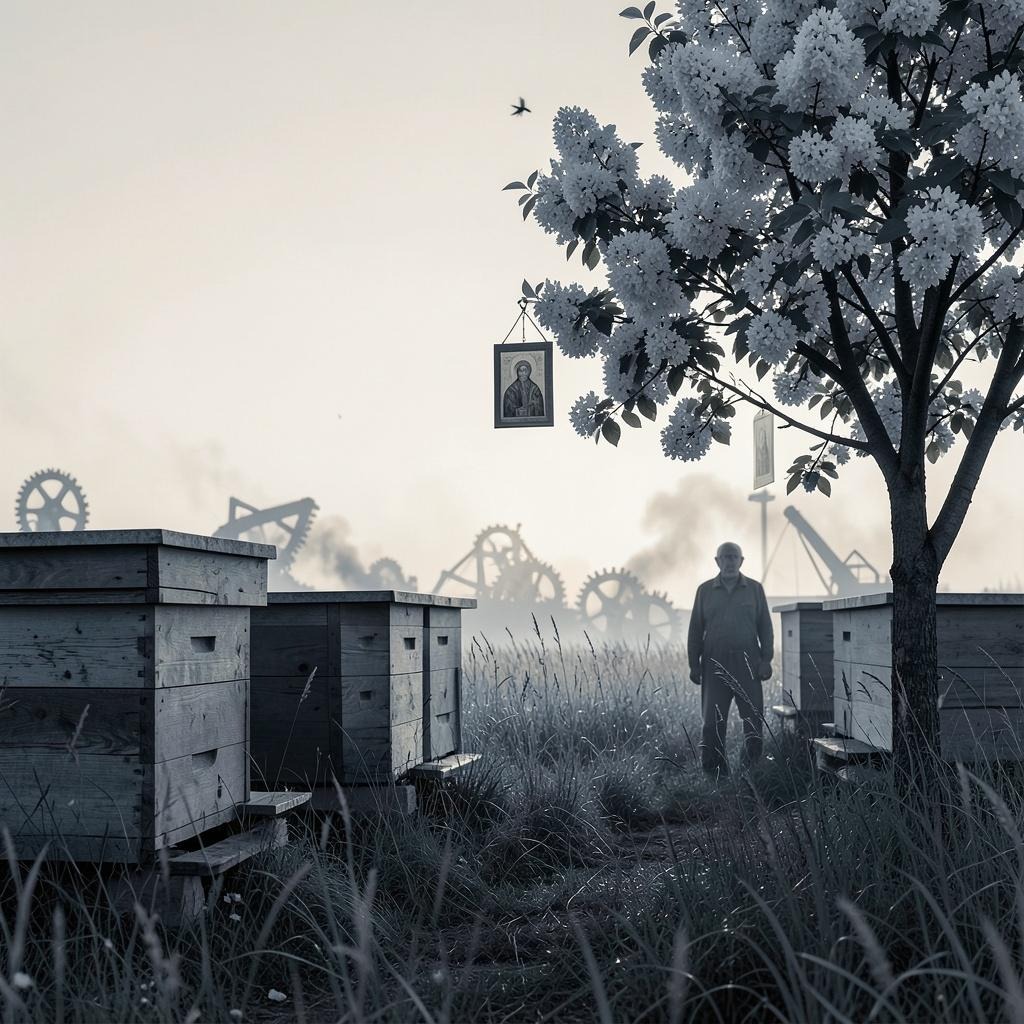
Work: “Why I Do Not Want to Return to the USSR?” (abridged, adapted), Ivan Bahriany Date: 1946 Where written: postwar Germany (among Ukrainian displaced persons, DP camps) Context: after World War II, the Allies began forcibly returning Soviet citizens (repatriation). Many Ukrainians feared repression. Who: Bahriany (1906–1963) — former prisoner of Soviet camps (arrests in 1932, 1938), participant in the Ukrainian political movement in exile. Purpose: a public appeal/explanation to the Western world explaining why Ukrainians did not want to return to the USSR. What it is: a political pamphlet + personal testimony about repression, terror, and loss. Role: became one of the best-known texts of the Ukrainian émigré community, explaining the realities of the USSR to a foreign audience. -------------- I was still a small ten-year-old boy when the Bolsheviks broke into my consciousness like a bloody nightmare, appearing as the executioners of my people. It was in 1920. At that time, I was living with my grandfather in the countryside, at his apiary. My grandfather was 92 years old and a one-armed invalid, yet he still worked, tending the bees. He reminded me of Saints Zosima and Savvaty, who were depicted on an icon hanging beneath an old linden tree in the middle of the apiary. Then one evening, armed men arrived, speaking a foreign language. Before my eyes, and before the eyes of the other grandchildren—amid our frantic screams—they tortured him to death, along with one of his sons, my uncle. They stabbed them for a long time with bayonets, interrogating them about something, shot the bloodied bodies as they lay on the ground with pistols, and laughed... They all cursed foully, and beneath that old linden tree, in the middle of the apiary, near the icon of Saints Zosima and Savvaty, everything was splattered with blood. That blood will stand before my eyes for the rest of my life. This is how the “St. Bartholomew’s Night” began in that village. There were many such nights in Ukraine, and I, still a child, had heard people speak of them in terror—but I had not seen them. And then I saw. That night, all the elderly householders in the village were murdered, along with the priest. And that night—like countless others—was organized by Bolshevism, carried out by representatives of the Cheka and a Bolshevik “extermination detachment.” They tortured my grandfather because he was a prosperous Ukrainian peasant, owned forty desyatinas of land, and opposed the “commune.” They killed my uncle because, during the national liberation struggle—in 1917–1918—he had been a soldier of the national army of the Ukrainian People’s Republic, fighting for the freedom and independence of the Ukrainian people. Another of my uncles, who escaped death that time by fleeing, was later arrested and, without trial, exiled to Solovki (the Soviet Dachau) for ten years. Then another ten years were added, and he perished there. Later, I myself, and my entire family, followed those same paths. This is how I first saw Bolshevism up close. It was at the dawn of my life and at the beginning of the existence of the Ukrainian SSR—that is, Ukraine under the Soviet regime, colonized by red Moscow imperialism. ------------ Твір: «Чому я не хочу вертатися до СРСР?» (скорочено, адаптовано), Іван Багряний Дата: 1946 рік Де написано: у повоєнній Німеччині (серед українських переміщених осіб, DP-табори) Контекст: після Другої світової війни союзники почали примусово повертати громадян СРСР назад (репатріація). Багато українців боялися репресій. Хто: Багряний (1906-1963)— колишній в’язень радянських таборів (арешти 1932, 1938), учасник українського політичного руху в еміграції. Навіщо: як публічне звернення/пояснення до західного світу, чому українці не хочуть повертатися в СРСР. Що це: політичний памфлет + особисте свідчення про репресії, терор і втрати. Роль: став одним із найвідоміших текстів української еміграції, який пояснював реалії СРСР іноземній аудиторії. ----------- Я був ще малим 10-річним хлопцем, як більшовики вдерлися в мою свідомість кривавим кошмаром, виступаючи як кати́ мого народу. Це було 1920 року. Я жив тоді в дідуся́ на селі, на пасіці. Дідусь мав 92 роки і був однорукий калі́ка, але трудився на пасіці, доглядаючи її. Він нагадував мені святих Зосима і Саватія, що були намальовані на образку́, який висів під старо́ю липою посеред па́сіки. Аж ось одного дня надвечір прийшли якісь озброєні люди, що говорили на чужій мові, і на моїх очах та на очах інших онуків, під наш несамовитий вереск замордували його, а з ним одного сина, а мого дядька. Вони довго штри́кали їх штика́ми і щось допи́тували, стріляли в лежа́чі скривавлені тіла́ з пісто́лів і регота́лись... Вони всі гидко лаялись, і під старо́ю липою посеред пасіки, коло ікони святих Зосима і Саватія, все було забризкане кров’ю. Кров все життя стоятиме мені в очах. Це так починалася "варфоломі́ївська ніч" в тім селі. Таких ночей було багато в Україні, й я, маленький, чув, як люди говорили про них з жахом, але не бачив. А тоді побачив. В ту ніч було вимордувано в селі всіх стареньких господарі́в і священика, і організува́в ту ніч, як безліч таких ночей, більшовизм в особі представникі́в ЧК та більшовицького "істре́ботря́ду". Замучили вони мого діда за те, що він був заможний український селяни́н, мав 40 десятин землі, й був проти "комуни", а дядька за те, що він був за часів національної визвольної боротьби – в 1917-1918 роках – вояко́м національної армії Української Народної Республіки. За те, що боровся за свободу і незалежність українського народу. Другого мого дядька, що врятувався тоді від смерти втечею, пізніше заарештували й без суду заслали на Соловки́ (радянське Дахау) на десять років, потім добавили ще десять років, і він там загинув. Пізніше тими самими шляха́ми пішов і я, і вся моя роди́на. Ось так я вперше побачив зблизька́ більшовизм. Це було на світанку мого життя і на початку існування Української ССР, цебто України, підгорненої під радянський режим, колонізованої червоним московським імперіалізмом.
