Part 10: Why I Do Not Want to Return to the USSR? (1946) - Ivan Bahriany

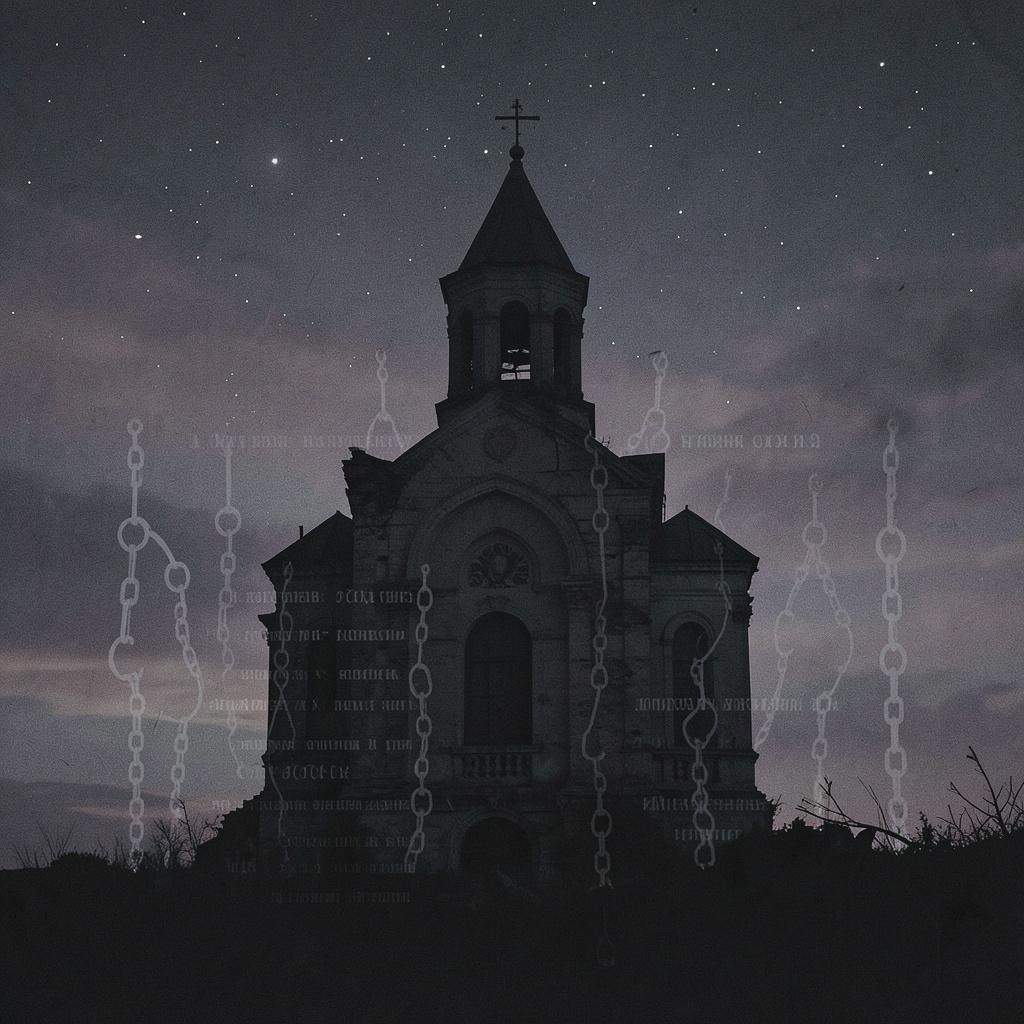
Work: “Why I Do Not Want to Return to the USSR?” (abridged, adapted), Ivan Bahriany Date: 1946 Where written: postwar Germany (among Ukrainian displaced persons, DP camps) Context: after World War II, the Allies began forcibly returning Soviet citizens (repatriation). Many Ukrainians feared repression. Who: Bahriany (1906–1963) — former prisoner of Soviet camps (arrests in 1932, 1938), participant in the Ukrainian political movement in exile. Purpose: a public appeal/explanation to the Western world explaining why Ukrainians did not want to return to the USSR. What it is: a political pamphlet + personal testimony about repression, terror, and loss. Role: became one of the best-known texts of the Ukrainian émigré community, explaining the realities of the USSR to a foreign audience. -------------- I do not want to return under Bolshevism, because I was imprisoned with priests of various denominations and saw how they were beaten and tortured. By order of Stalin, they were exterminated in the USSR, and churches were destroyed; for a full twenty-five years, even the smallest signs of the Christian faith were driven out of people’s souls—brutally and vilely. And now, in 1943, Bolshevism has turned to religion and presents itself as a defender of the Orthodox Church. Europe and the whole world may believe this—that Stalin is truly promoting Christianity and that his party has sincerely returned to religion. But we will never believe it. The shadows of the tortured priests stand before our eyes; their bones have not yet had time to decay. Sooner could the biblical King Herod convert to Christianity than his twentieth-century successor. Stalin has turned religion into a tool of his political manipulations, nothing more. And just as religion was uprooted in the USSR, so it will continue to be uprooted. Bolshevism is violence against the individual; it is forced labor; it is the arbitrariness of a political clique; it is a new form of serfdom; it is physical and spiritual terror; it is poverty; it is hunger; it is war. ----------- Твір: «Чому я не хочу вертатися до СРСР?» (скорочено, адаптовано), Іван Багряний Дата: 1946 рік Де написано: у повоєнній Німеччині (серед українських переміщених осіб, DP-табори) Контекст: після Другої світової війни союзники почали примусово повертати громадян СРСР назад (репатріація). Багато українців боялися репресій. Хто: Багряний (1906-1963)— колишній в’язень радянських таборів (арешти 1932, 1938), учасник українського політичного руху в еміграції. Навіщо: як публічне звернення/пояснення до західного світу, чому українці не хочуть повертатися в СРСР. Що це: політичний памфлет + особисте свідчення про репресії, терор і втрати. Роль: став одним із найвідоміших текстів української еміграції, який пояснював реалії СРСР іноземній аудиторії. ----------- Я не хочу вертатись під більшовизм тому, що я сидів у тюрмах із священиками різних церковних на́прямків і бачив, як їх бито і мордовано. За наказом Ста́ліна їх винищено в СССР, а церкви поруйновано, і цілих двадцять пять років вибивано з людських душ найменші ознаки християнської релігії. В брутальний, підлий спосіб. І ось 1943 року більшовизм вдався до релігії і став виступати в ролі захисника православної церкви. Європа і весь світ може в це вірити – в те, що Ста́лін дійсно насаджує християнство, а його партія щиро вернулася до релігії. Але ми ніколи в це не повіримо. Тіні замучених священиків, що стоять в нас перед очима, їхні кості ще не встигли зітліти. Скорше біблійний цар Ірод може навернутись до християнства, як його наступник 20го століття. Ста́лін зробив з релігії знаряддя своїх політичних махінацій і тільки. А релігія як була викорінювана в СССР, так і буде викорінювана. Більшовизм – це є насильство над людиною, це є рабський труд, це є сваволя політичної кліки, це є новітнє кріпацтво, це є терор фізичний і духовний, це є злидні, це є голод, це є війна.
