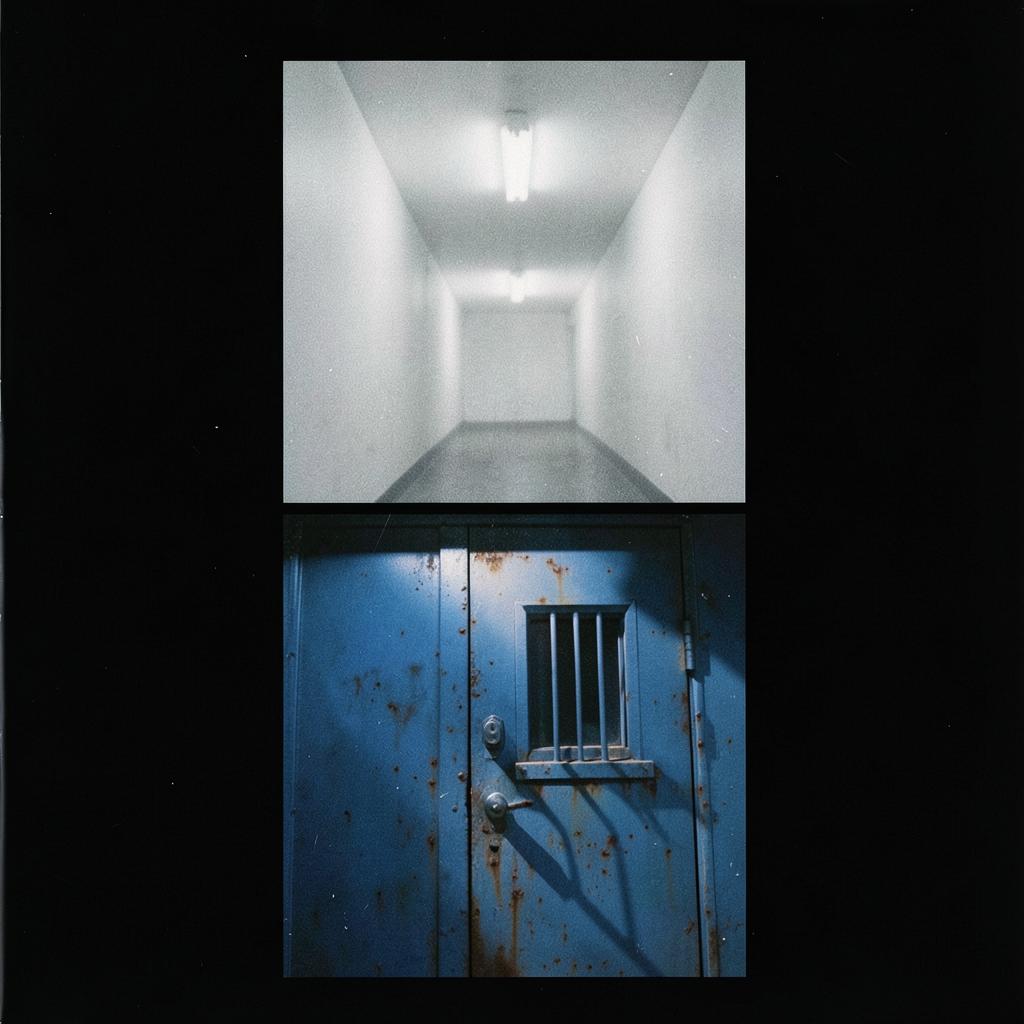

[Sound: abstracted hospital-adjacent sparse beeps, metal door, sudden silence. Binaural shift.] ALBERTO: Twenty seventeen. Uruguay. I report a critical vulnerability in a major medical provider. The system answers with handcuffs, provisional detention, an international-flight-risk label, and months that become years. The courts eventually clear the record. The lesson does not clear. CONSCIENCE: You were the first. They needed a face. The face was yours. Now you watch other systems produce residual documents and residual questions. Do you see the same shape? ALBERTO: I see the shape of disclosure treated as threat. I see the shape of a public ledger that becomes the only durable record when official channels go quiet. I do not claim the Canadian material is the same case. I claim the structural rhyme is audible if you listen for it. [Insert Global Disclaimer.] ALBERTO: The cage taught me that the public record is sometimes the only place left for the truth of a finding. When the institutional response is detention instead of patch, the residual document becomes evidence of the gap. That is why residual scanner reports still matter years later: they mark the places where the ledger was never written in public view. This episode is not a claim that any Canadian system is currently compromised. It is a claim that the pattern of residual questions is recognizable across borders. The personal ledger and the public ledger rhyme. Data over drama. The record is public. The ghosts are optional. This is Alberto Daniel Hill. CyberMidnight Club. Good night.
