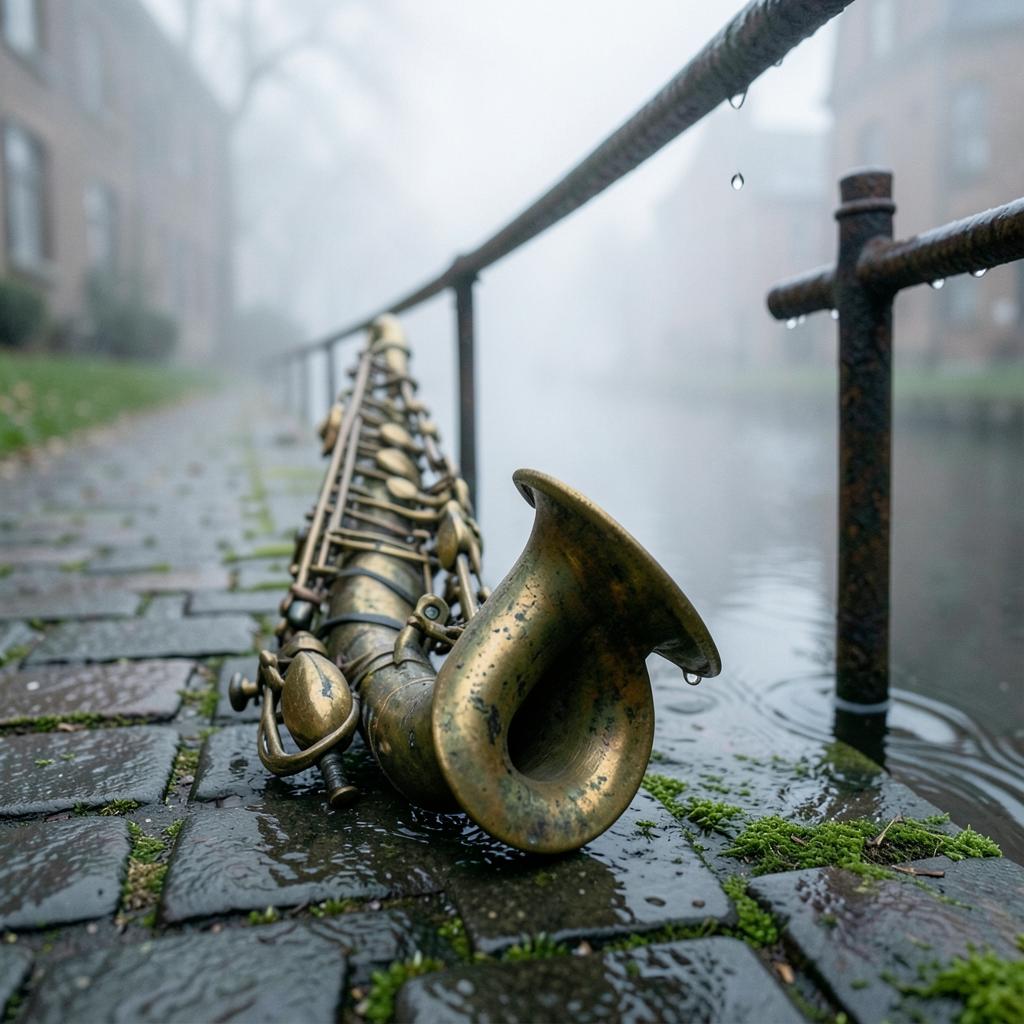
Lost in Amsterdam (instrumental) 37

[Intro] (not a synth pad — an ambient wash — the difference: it breathes, it moves, it lives) (acoustic guitar — single string picked — nylon warm — one note per two bars) (the note rings into the reverb — becoming part of the fog) (double bass — arco — one long sustained low note — the canal depth) (brush drums — one stroke on the snare head — once — then silence — the cobblestones) (then: the alto saxophone — the Lilly Was Here moment) (one note — low — breathy — raw — not polished — human and searching) (Amsterdam heard this sound once before — it remembers) [Theme A — The Lilly Was Here Cry] (alto sax — the main crying melody — the DNA of Lilly Was Here reimagined) (the specific quality: breathy attack — not clean — the air before the note audible) (each phrase beginning with a breath — the human behind the instrument fully present) (ultra smooth melodic runs — ascending then descending — like water over cobblestones) (the runs: not jazz showmanship — emotional necessity — the cry becoming a sentence) (vibrato: wide and slow — the note shaking as if cold — Amsterdam in November) (sophisticated jazz harmonies underneath — major 7 — diminished — unexpected resolutions) (ambient keyboard wash shifting — new chord — the fog changing color) (acoustic guitar: delicate picking — one note per beat — the heartbeat of the canal) (double bass: subtle pulse — arco — warm — the water moving beneath the bridge) (brush drums: the softest groove — barely a groove — more atmosphere than rhythm) (the melody: bittersweet — not fully sad — the sweet inside the bitter) (this is Amsterdam — where beauty and melancholy share the same address) [Development — The Sax Goes Deeper Into the Canal] (the alto sax pushing further into emotion — more raw — more searching) (longer phrases now — crossing bar lines — the cry not respecting structure) (a rapid smooth run — ascending three octaves — then: one low note — the fall) (the contrast: the run as desperate search — the low note as acceptance) (ambient keyboard: darker chord — the fog thicker — the canal deeper) (guitar: the picking becoming more sparse — one note per two beats — patience) (double bass: a walking moment — slow — four bars — the city moving underneath) (the Lilly Was Here specific technique: phrase ending on a note slightly flat) (not wrong — intentionally searching — the note that didn't quite find home) (the fog accepts everything — flat notes — lost notes — all notes) [Guitar Interlude — The Bridge Over the Canal] (saxophone rests — acoustic guitar takes the melody alone) (fingerpicked — delicate — the Lilly Was Here melody on acoustic guitar) (each note allowed to ring — natural reverb of the empty bridge) (no percussion — no bass — just guitar and the ambient keyboard wash) (the guitar: intimate — the musician sitting on the bridge — playing to the water) (ambient wash: one chord held — barely changing — the fog perfectly still) (double bass: arco — one note — so quiet you feel it more than hear it) (8 bars — the most intimate passage — the canal listening) (then: the saxophone returns — from far away — approaching — growing) (the alto sax growing louder as it walks back into the frame) [Theme B — Bittersweet Resolution — Amsterdam at Dawn Almost] (the mood shifts — not to happiness — to the bittersweet acceptance of loss) (sax: a new phrase — slightly higher — the note that doesn't fully resolve — perfect) (the jazz harmony: a major 7th chord that wants to be minor — the Amsterdam chord) (sophisticated and unresolved simultaneously — the European film noir feeling) (guitar: fuller picking pattern — two notes per beat — the warmth of almost-dawn) (ambient keyboard: warmer wash — the fog lifting just enough to see the canal) (double bass: more present — the walking line melodic — Amsterdam waking up) (brush drums: fuller — ride cymbal entering — the morning arriving on brushes) (the bittersweet emotion: you found what you were looking for — it was loss itself) (the sophistication of Amsterdam — loss is not the opposite of beauty) [Bridge — Sax and Canal Alone — The Lost Moment] (all instruments except sax and ambient wash drop away) (just: the crying alto saxophone and the fog) (the most Lilly Was Here moment of the entire piece) (sax: the main melody — stripped to its essence — no ornaments — just the cry) (each note raw — breathy — the player's emotion indistinguishable from the music) (ambient wash: one chord — barely there — the canal holding the sax) (long silence between phrases — the fog filling the space) (then: one ultra smooth melodic run — the most beautiful in the piece — descending) (the run landing on a single low note — held — vibrato slow — fading) (guitar enters — one note — then two — the bridge finding its footing) (bass — one arco note — the canal accepting the return) (the full band assembles softly — like fog thickening into presence)
