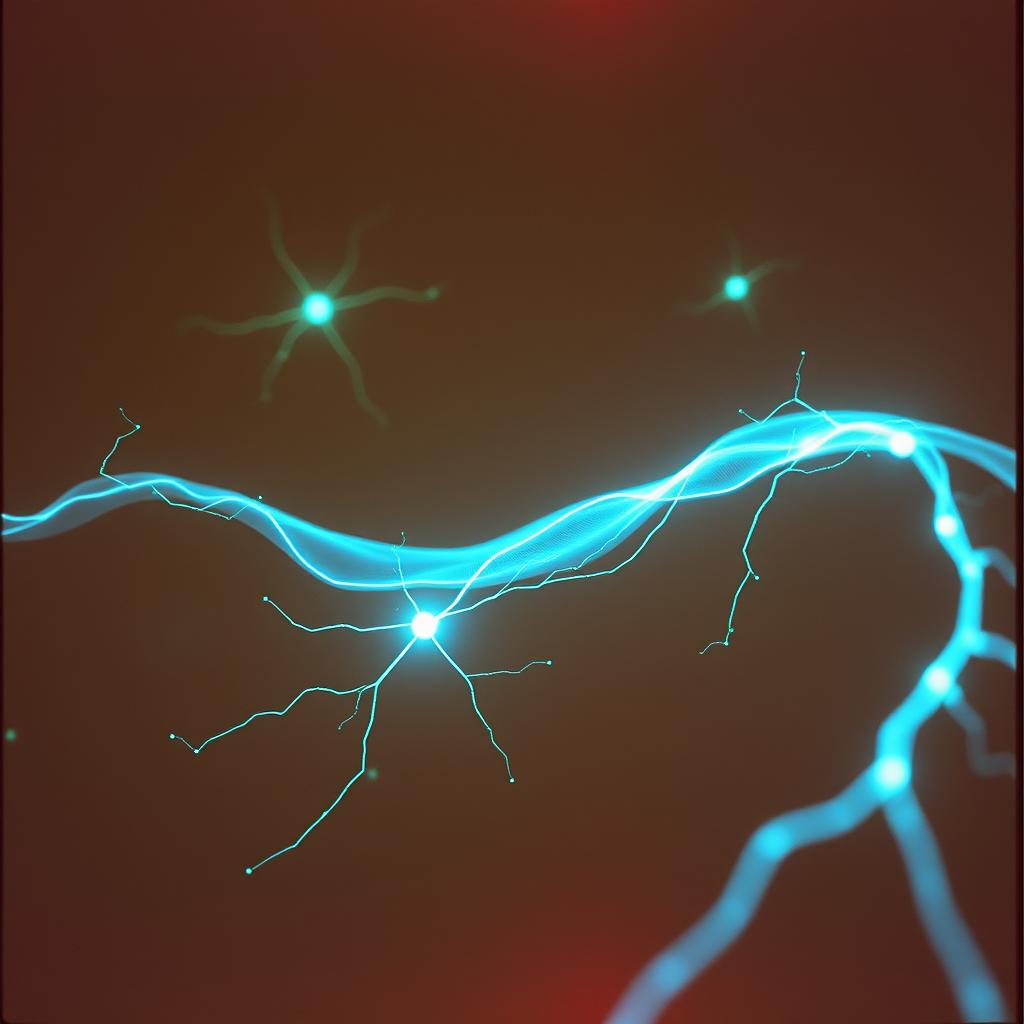
Gran Mal seizure (epilepsy)
There are four main types of epilepsy, which are categorized based on the type of seizures a patient experiences: Generalized epilepsy: Seizures that begin in widespread areas of the brain Focal epilepsy: Seizures that originate in a specific area of the brain Generalized and focal epilepsy: A combination of generalized and focal seizures Unknown onset: When the type of seizure is unknown, such as when seizures occur at night or in a person who lives alone Some types of seizures include: Absence seizures Also known as “petit mal” seizures, these are brief and don't cause the person to fall or shake significantly Myoclonic seizures Cause brief, shock-like jerking movements in a muscle or group of muscles Tonic-clonic seizures Start on both sides of the brain, causing the body to stiffen and then convulse Temporal lobe seizures The most common type of epilepsy, these occur in the temporal lobe, which is located beneath the temples Frontal lobe seizures The second most common type of epilepsy, these occur in the frontal lobe, which is located behind the forehead A doctor usually diagnoses epilepsy if a patient has had two or more unprovoked seizures. Medication is the most common treatment, and two-thirds of adults with epilepsy live seizure-free because of it. Don'ts for seizure first aid: Don't try to hold a person down or try to stop the person's movements. Don't put anything in a person's mouth during the seizure. ... Don't try to give CPR or mouth-to-mouth rescue breathing during the seizure. ... Don't offer a person food, water or medications until he is fully awake and alert. What is the difference between a grand mal seizure and a regular seizure? Tonic-clonic seizures may cause a person to lose consciousness, this may cause them to fall to the ground, have muscle jerks or spasms, and cry out. They are also called grand mal seizures. Absence seizures cause rapid blinking or staring into space for a few seconds. They are also called petit mal
