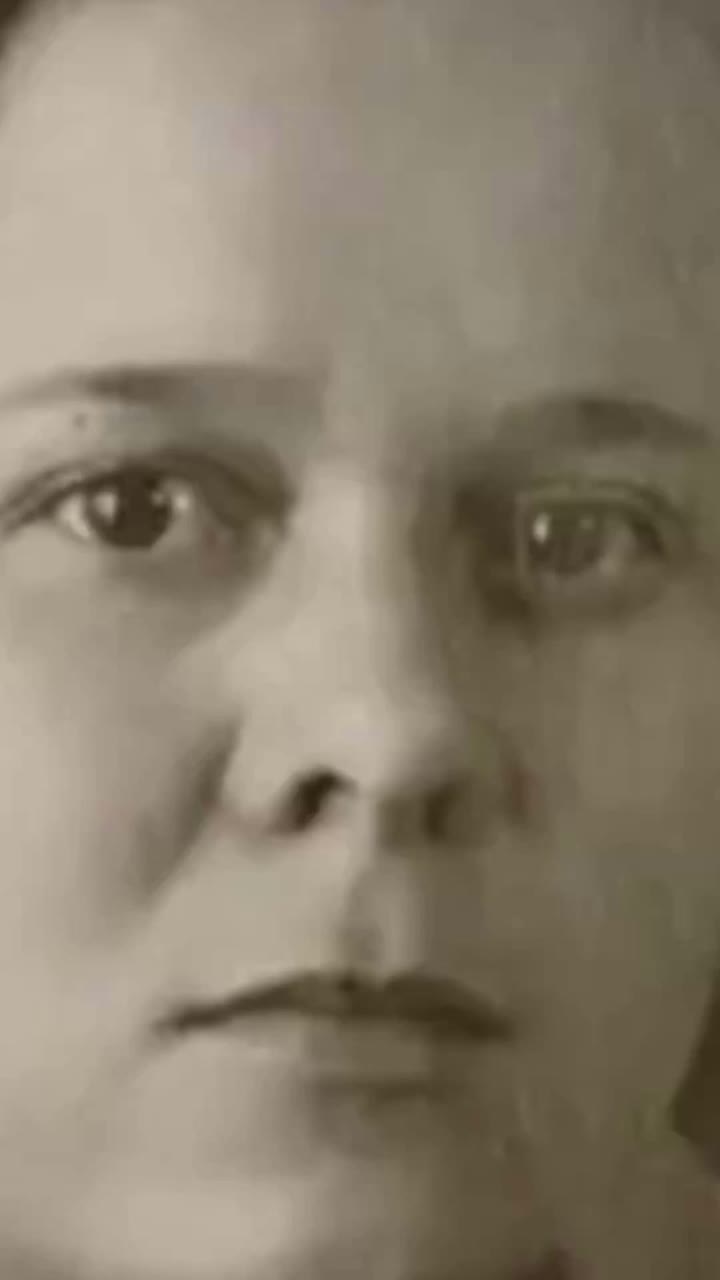
It’s morally easier to fight...( Ballad about Pauline and Fyodor)

📖 Glossary: Behind the Lyrics1. "A brave lie" (Adding years to her age)In 1941, many Soviet teenagers (15–16 years old) forged their documents to appear older so they could enlist. Polina did this to serve as a signal operator on the front lines.2. "Morally easier to be in a fight"The central theme of the ballad. For many who lived through the war, facing the enemy in open battle was psychologically easier than the slow, agonizing struggle of the "Home Front"—watching children starve while being unable to help.3. "Crawl under a freight train"With no wood or coal to heat their homes, women and children would go to railway stations at night. They crawled under stationery trains to gather coal scraps that fell from poorly built or damaged wagons. It was a deadly risk; the train could start moving at any second without warning.4. "Clawing the frost with bare hands" (The frozen potato)"Gleaning" or searching for leftover crops after the official harvest. In the frozen mud of spring or winter, women dug for rotten, frozen potatoes that the machines missed. These "black potatoes" were often the only way to save a child from starvation.5. "Could be exiled for stealing" (The Law of Spikelets)Under Soviet law at the time, gathering leftovers from state fields was officially classified as "theft of state property." For a few frozen potatoes, a mother could be sentenced to years in labor camps, leaving her children orphaned. This is why they moved "like thieves in the night."6. "The stream of letters" (Front-line Triangles)Soldiers' letters were folded into simple triangles because there were no envelopes. These "triangles" were the only link between the front and the rear, often arriving months late or not at all.7. "Sent to the East" (The Japanese War)For many Soviet soldiers, the war did not end in May 1945. After the victory over Germany, entire divisions were moved across the continent to fight against Japan. Fyodor served through both wars, returning home long after the official peace began. [Intro: Quiet, lonely acoustic guitar notes] [Verse 1: Spoken style, calm narrative] She was a signal girl in forty-one, Dragging the wires until the day was done. The war was steel and nerves, a bitter strife — Those who survived just lived a silent life. She was a girl, just a child in her teens, With braids and bangs, following her dreams. She added years to her age, a brave lie, To fight for her land, ready to die. [Verse 2: Intimate, warmer] And there, in the fire of the front line, She found a love, sacred and divine. Her Fyodor fought on, deep in the fray, But God chose for her a different way: Sent to the rear, to keep hope alive, With a new heartbeat, struggling to survive. She traded her uniform for a dress of a maid, Leaving the battle for a life she ne’er prayed. [Verse 3: Cello pizzicato starts, tense rhythm] It’s morally easier to be in a fight, Than to see hungry children in the dead of the night. To warm their frozen fingers with your breath, Waiting for news, cheated by death. To share a dry crust, a tiny black crumb, Keeping just dust, while your spirit goes numb. When the blizzard howls loud at your door, And misery settles on the cold wooden floor. [Verse 4: Faster rhythmic reciting, tension] It’s morally easier to be at war, Than to wait in the rear, not knowing the score. To fall asleep praying to God for his life, That Fyodor returns to his child and his wife. To crawl in the dark under a freight train, To gather the coal in the snow and the rain. Praying the wheels won't start their loud beat, While the house is freezing with no single heat. [Verse 5: Slower, heavy, emotional] Like thieves in the night, in the field they would creep, Digging the frost while the world was asleep. Clawing the earth with their bare, frozen hands, Fighting the void in the desolate lands. For a rotten potato left deep in the mud, They could be exiled for "stealing" the food. At home was a daughter... and no tears were left, Just a long war and a heart of bereft. [Verse 6: Music swells slightly, becoming melodic] The forty-fifth came with a bright city light, But Fyodor is sent to the East for a fight. The Japanese war... and the sleep is so thin, As the stream of the letters is withered and grim. But he came back! Alive! Through the thunder and rain, Polina’s cheeks dried of the sorrow and pain. And they gathered their lives, piece by piece, as they could — Living in love, as a true family should. [Bridge: Music drops to silence, only faint strings] [Epilogue: Very soft, whispering voice] Three granddaughters... Seven great-grandsons... Three great-great-grandsons... the story goes on. [Outro: Final warm guitar chord To keep love alive for the people to be.fades slowly] They forged the Victory so life could be free, For the people to be...Life goes on...
