The Long Voyage Home Introduction part 1

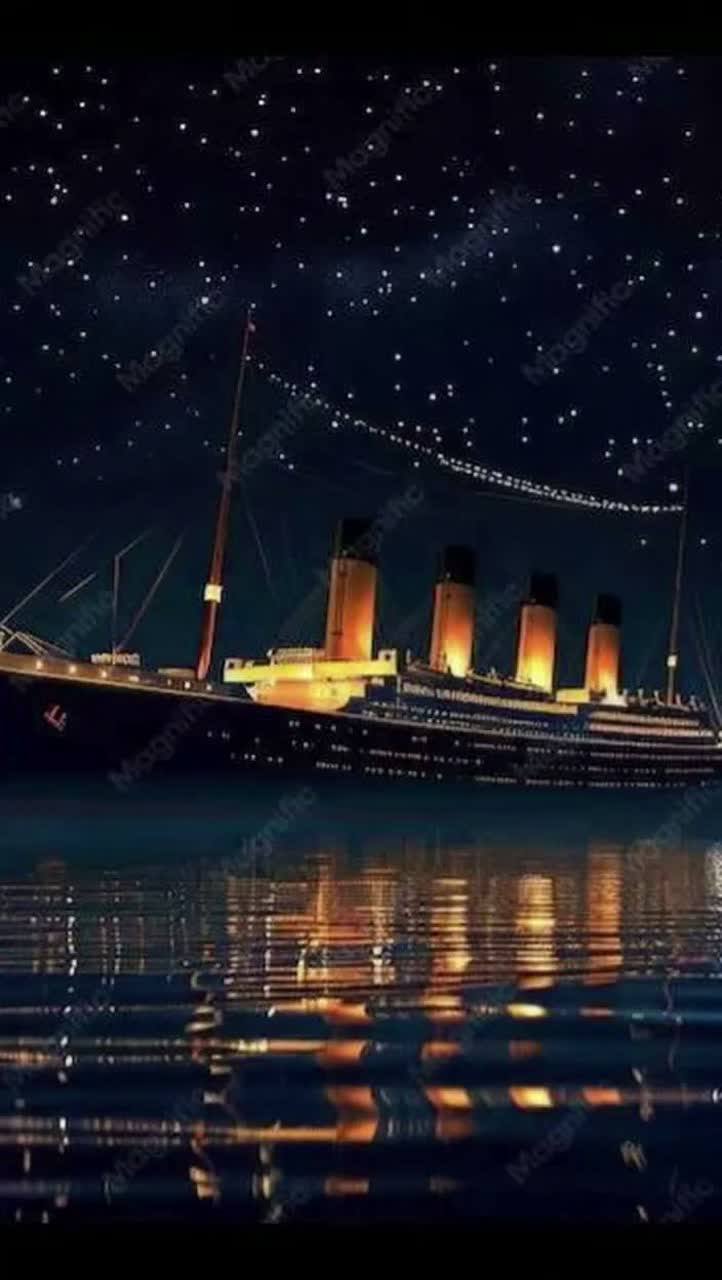
[soft harp] In April of 1912, the harbor at Queenstown—Cobh—County Cork was alive with the sound of farewells. Young emigrants crowded the quayside, clutching suitcases, shawls, and the fragile hopes of a new life across the Atlantic. Among them stood a young Irish woman, traveling in steerage with her fiancé. They had saved every spare shilling for this crossing, dreaming of a small home in America, a place to begin again. [slower, reflective tone] When the RMS Titanic anchored offshore, tenders ferried the last passengers out to her—farmhands, seamstresses, laborers, and lovers like them. She remembered the way the ship rose from the water like a floating city, her funnels glowing in the late afternoon sun. They boarded hand in hand, believing they were stepping into their future. [soft strings swell] For days, life aboard was filled with music from fiddles in the steerage decks, laughter from families seeing the world for the first time, and the quiet thrill of possibility. She recalled the warmth of his arm around her as they spoke of the land they would build together. But on the night of April 14th, everything changed. [distant low drone] She felt the shudder first—a strange, muffled tearing beneath her feet. Then came the silence. No panic at first, only confusion. Passengers stepped into the corridors in their nightclothes, listening to the engines slow, then stop. The air grew colder. The ship began to list. [tense whisper] She remembered the sound of ice sliding along the hull like a giant’s fingernails. The officers’ sharp voices. The sudden rush of people toward the open decks. And the terrible truth dawning: the ship was dying. [soft tremor in voice] Her fiancé held her close as the lifeboats were lowered. “Women and children first,” the officers shouted. He guided her through the crowd, shielding her from the crush of bodies. She felt his hands trembling as he lifted her into a lifeboat—one of the last with room. [near‑silence] Just before they lowered away, he pressed his ring into her palm. “Live,” he whispered. “Live for both of us.” [soft wind sound] She watched him fade into the mass of men left behind—faces pale in the flare‑lit darkness, voices calling out names that vanished into the cold. Then the ship broke apart with a roar that echoed across the black water. She saw the stern rise, silhouetted against the stars, before it slipped beneath the Atlantic. [shivering breath] In the lifeboat, she heard the cries—hundreds of them—stretching across the waves until the night swallowed them. She never forgot that sound. [gentle strings return] When the Carpathia rescued the survivors, she was wrapped in a borrowed shawl, her hair stiff with salt, her fingers still clenched around his ring. She returned to Ireland in silence, one of many who came home alone. For the rest of her life, she walked the cliffs of Cork at dusk, listening to the wind move through the heather. Some said she was waiting for him. Others said she was speaking to the sea. [soft, hopeful lift] This song is her memory— a tribute to the Irish emigrants who sailed with hope, to the loved ones who never returned, and to the courage of those who carried their stories through the long voyage home.
