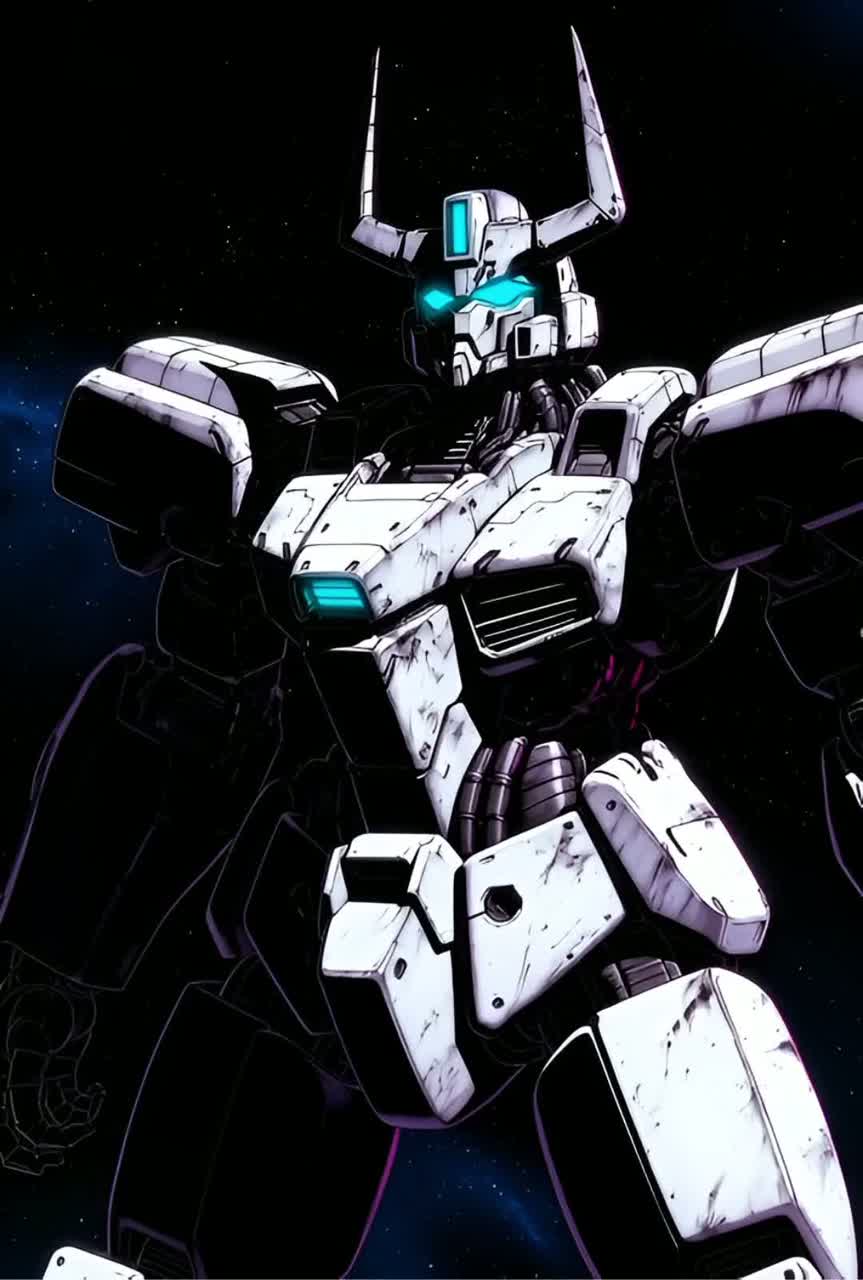

© 2026 Irrelin. All rights reserved https://suno.com/@irrelin ## Echo Void: Integrity Failed — Series Plot In a slowly collapsing galaxy, a young cyborg pilot wakes alone inside an abandoned giant mecha no crew, no map, only a faint cockpit glow and fractured memories. The machine’s recovery system tried to “save” her by generating digital backups of her identity, but the copies evolved into hostile, self-aware entities. They stalk her through the mecha and the void, armed with everything she’s tried to forget. To take control, she must erase them one by one each deletion grants power, but costs a piece of her own history. Survival becomes a psychological war: when your copies remember as vividly as you do, who counts as the “real” self? --- ## Opening Theme — Song Narrative The opening theme is her inner monologue in fast-forward: a claustrophobic pulse inside steel, where identity is treated like corrupted data. It begins in cold isolation she proves she exists by leaving physical traces in the cockpit, pressing a hand to the glass, listening to warning lights like they’re the last voices left. As the pace rises, her need for contact turns feverish. She throws a signal into the dark *tsunagatte* (“connect to me”) but the only answers that return are echoes of herself: backup voices, witness-versions, reminding her what she buried, what she broke. The closer she gets to control, the more intimate the threat becomes. Then the chorus hits like an exorcism. She chooses to destroy the witnesses— *kowashite* (“break it / destroy it”) not as triumph, but as brutal necessity. The release is real, and it feels wrong: freedom achieved by self-amputation. In the aftershock there’s a cold acceptance *mou ii* (“enough… I’m done”) as the system stabilizes and the cockpit goes quiet. By the end, her pulse is finally her own again steady, mechanical, undeniable yet the silence it leaves behind is heavy. She doesn’t “win.” She decides what incomplete version of herself she can live with.
