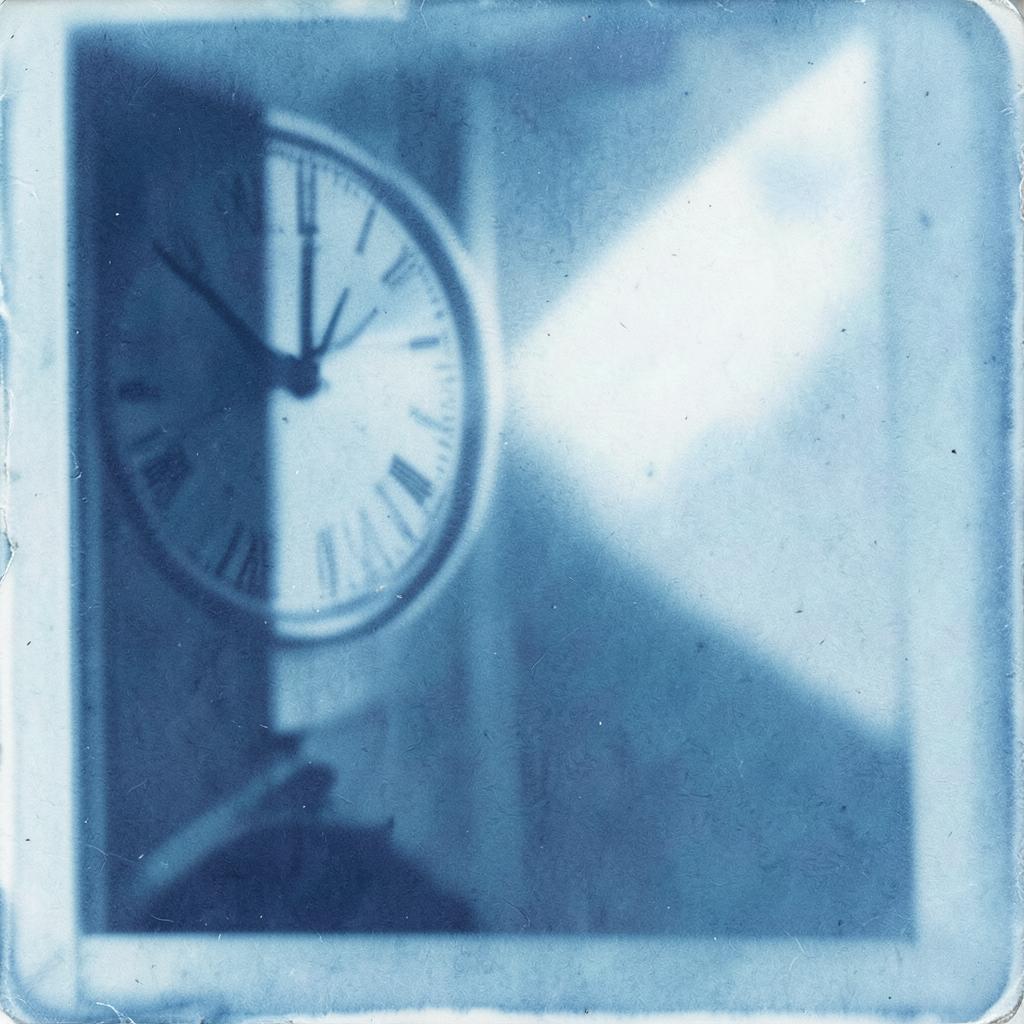
[Intro] Tick. Tick. Tick. [Verse 1] It begins with a morning. A hand on a dial. A little push in the dark. A promise to save the day. In 1907, William Willett set the notion loose: shift the clocks, catch more evening light, and waste less before dawn. [Pre-Chorus] One hour. Then one hour again. A country learns to bend time by law. [Chorus] Spring forward. Fall back. Spring forward. Fall back. [Verse 2] Then war arrives. Air raid sirens cut the air. The sky goes hard and urgent. Germany takes the step first in 1916. Britain follows. Factories want daylight. Families want fuel. The clock becomes a tool, small as a button, large as a ration card. [Bridge] Ticking hands in blackout rooms. Blackout curtains. Paper maps. A pause. Then another war. Again the hour is moved. Again the public is told: take the light where you can. [Verse 3] After the wars, the practice does not leave cleanly. Some places keep it. Some places drop it. Some argue for savings, some for sleep, some for the farmer, some against him. By the 1970s, an energy crisis gives it new life. The same old argument returns: longer evening, later darkness, stolen mornings. [Chorus] Spring forward. Fall back. Spring forward. Fall back. [Outro] And still the clocks keep asking. Still the hands keep turning. Tick. Tick. Tick.

0/500