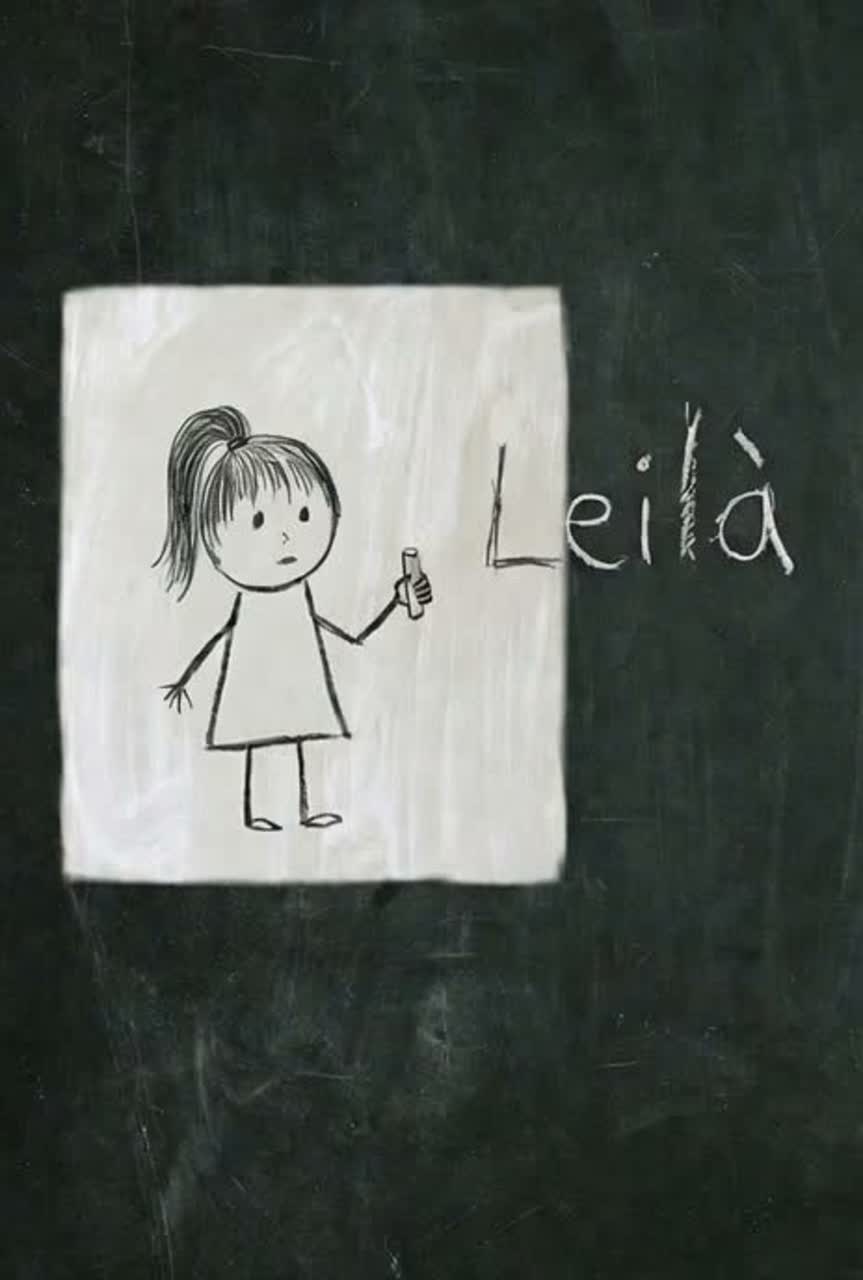
👉 Below the Italian lyrics, you will find an introduction and the full English translation.👇 –––––––––––––––––––– Leilà è una canzone sull’infanzia spezzata e su ciò che non ha avuto il tempo di diventare. Nasce da un’esigenza etica e umana prima ancora che artistica. Come autore ho scritto molte canzoni, ma alcune si impongono per la necessità di essere scritte. Questa è una di quelle. Il brano prende forma dal mio rifiuto profondo della guerra, perché a pagarne il prezzo sono sempre gli innocenti e i più deboli. In particolare, il tema dell’infanzia interrotta e di una vita fermata prima ancora di potersi esprimere rappresenta per me una ferita esistenziale e filosofica: non solo la perdita di ciò che è stato, ma l’annullamento di ciò che avrebbe potuto essere. Ho scelto un punto di vista intimo e quotidiano, fatto di immagini semplici, perché credo che la tragedia più grande non risieda nell’eccezionalità dell’evento, ma nella sua irruzione silenziosa nella normalità. –––––––––––––––––––– TESTO DELLA CANZONE –––––––––––––––––––– Ho il gesso ancora in mano e la polvere sul naso il mio nome scritto storto sulla lavagna al terzo piano. Sento l'odore del pane che mia madre ha messo in tasca e il freddo delle mattonelle sotto i piedi nudi stamattina. Ho sette anni e mezzo, quasi otto, lo dico sempre, e ho deciso che da grande voglio studiare le stelle oppure fare la dottoressa oppure scrivere parole, quelle belle, quelle lunghe, quelle che fanno stare fermi ad ascoltare. Sono una lavagna bianca, non c’ha ancora scritto nessuno. Sono una finestra aperta sul cortile di gennaio. Sono tutte le domande che non ho ancora fatto, sono il futuro. Il futuro esiste, vero? A volte penso che il cielo sia troppo grande per me, ma io ci entro lo stesso con la testa tra le nuvole. Mi hanno detto che alle donne certe strade non appartengono, ma io le ho viste le strade e mi sembrano di tutti. Forse cambierà, diceva la maestra, con quella voce bassa, come quando si dice una cosa vera che non puoi dire ad alta voce. Forse cambierà, ripetevo dentro, come una preghiera storta, come un seme sotto la neve che non sa ancora di essere un albero. Sono una lavagna bianca, non c’ha ancora scritto nessuno. Sono una finestra aperta sul cortile di gennaio. Sono tutte le domande che non ho ancora fatto, sono il futuro. Il futuro esiste, vero? C'è qualcosa nell'aria oggi che non so come chiamare, come quando prima del temporale i passeri smettono di cantare. La maestra dice qualcosa, ma le parole arrivano lente, come se il suono dovesse attraversare qualcosa di troppo spesso. Penso a mia madre, penso al pane in tasca, penso che stasera le devo dire una cosa importante, non so ancora quale ma la sento qui, qui dentro, calda come una mano. Sto pensando alle stelle. Sto pensando al mio nome scritto storto. Sto pensando a tutte le strade che sembrano di tutti. Sto pensando al seme sotto la neve. Sto pensando al futuro. E poi… non sto pensando più a niente. Questa non è una canzone è una fluttuazione dello spazio-tempo. Un istante congelato il 28 febbraio 2026 ore dieci e qualcosa. Scuola Shajareh Tayyebeh Minab, Iran. Si chiamava Leilà. Aveva sette anni e mezzo quasi otto, lo diceva sempre. Aveva il gesso ancora in mano. Le coordinate erano sbagliate. Si chiamano danni collaterali. Non aveva ancora scritto niente sulla lavagna. © 2026 Marcello Arena –––––––––––––––––––– ❤️ LEILA' ❤️ –––––––––––––––––––– Leilà is a song about broken childhood and about what never had the time to become. It was born from an ethical and human necessity, even before an artistic one. As a songwriter, I have written many songs, but some demand to be written. This is one of them. The song takes shape from my deep rejection of war, because it is always the innocent and the weakest who pay the highest price. In particular, the idea of a childhood interrupted, of a life stopped before it could even express itself, represents for me an existential and philosophical wound: not only the loss of what has been, but the erasure of what could have been. I chose an intimate, everyday point of view, made of simple images, because I believe that the greatest tragedy does not lie in the exceptional nature of an event, but in its silent intrusion into normal life. –––––––––––––––––––– LYRICS (ENGLISH VERSION) –––––––––––––––––––– I still have the chalk in my hand and dust on my nose my name written crooked on the blackboard on the third floor. I smell the bread my mother put in my pocket and feel the cold tiles under my bare feet this morning. I am seven and a half, almost eight, I always say that, and I have decided that when I grow up I want to study the stars or become a doctor or write words, beautiful ones, long ones, the kind that make people stop and listen. I am a blank blackboard, no one has written on me yet. I am an open window over the January schoolyard. I am all the questions I have not asked yet, I am the future. The future exists, right? Sometimes I think the sky is too big for me, but I step into it anyway with my head in the clouds. They told me that for women some roads are not meant to be taken, but I have seen those roads, and they look like they belong to everyone. “Maybe things will change,” the teacher used to say, with that low voice you use when you say something true that cannot be said out loud. “Maybe things will change,” I kept repeating inside, like a crooked prayer, like a seed under the snow that does not yet know it will become a tree. I am a blank blackboard, no one has written on me yet. I am an open window over the January schoolyard. I am all the questions I have not asked yet, I am the future. The future exists, right? There is something in the air today I do not know how to name, like before a storm when sparrows stop singing. The teacher says something, but the words arrive slowly, as if the sound had to cross something too thick. I think of my mother, I think of the bread in my pocket, I think that tonight I have to tell her something important, I do not know what yet, but I feel it here, inside, warm like a hand. I am thinking about the stars. I am thinking about my crooked name. I am thinking about all the roads that seem to belong to everyone. I am thinking about the seed under the snow. I am thinking about the future. And then… I am not thinking about anything anymore. This is not a song, it is a fluctuation of space and time. A frozen instant. February 28, 2026. A little after ten a.m. Shajareh Tayyebeh School. Minab, Iran. Her name was Leilà. She was seven and a half, almost eight, she always said that. She still had the chalk in her hand. The coordinates were wrong. They call it collateral damage. She had not written anything on the blackboard yet. © 2026 Marcello Arena
