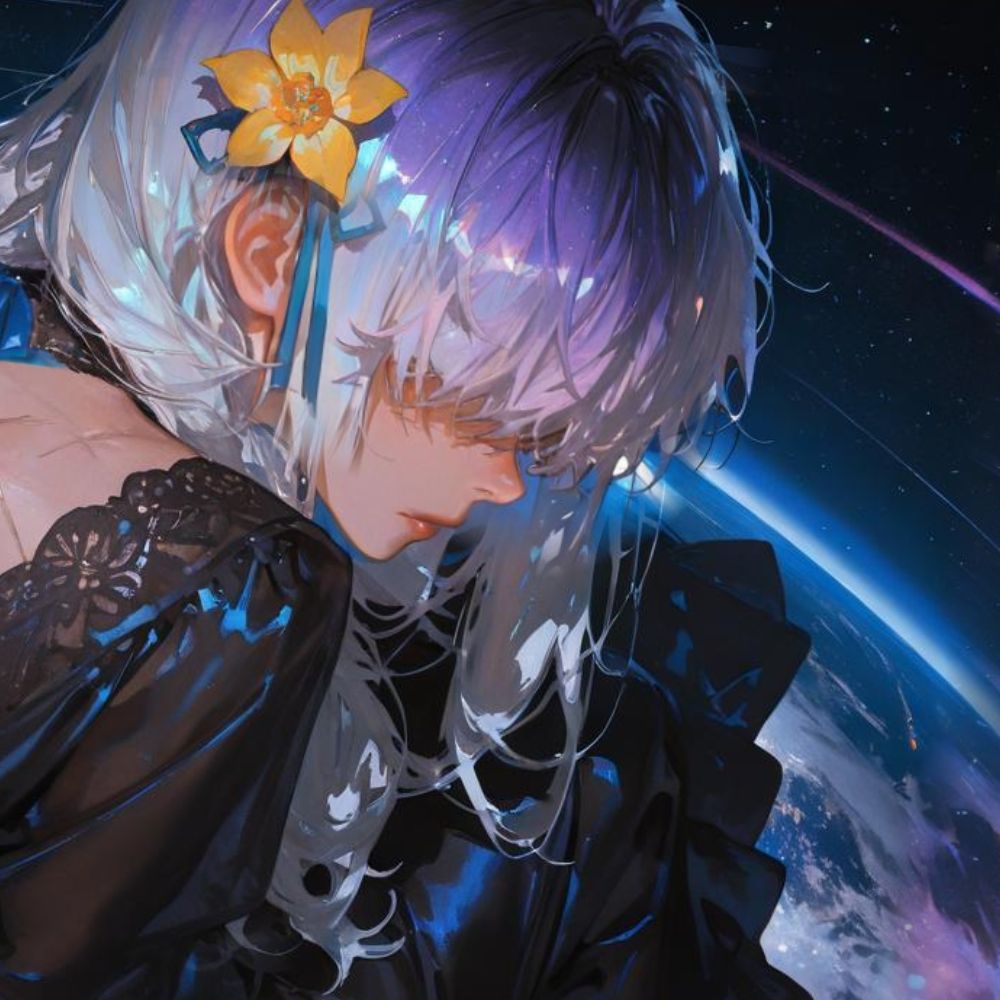

[Intro — very soft, distant, fragile] [Harp and erhu intertwine in a delicate, fragile instrumental opening. No vocals yet.] Quondam. Iam nōn meminī quandō id acciderit. Gaudeō quod tē servāre potuī. Hoc ūnum meminī. [Verse 1 — quiet, tender, restrained] Quia multīs vītīs circumdāris. Ego, quae nihil habeō, tē servāre volēbam. Semper mihi occupātus vidēbāris. Illō tempore, profectō, imminentia mala nōn animadvertēbās. Velut multae sagittae. Nōlēbam tē ea animadvertere. [Pre-Chorus — hushed, slowly deepening] Ideō… Tacitē in dorsō meō ea excepi. [Verse 2 — suspended, disoriented, breathy] Post id tempus, aliquandiu nihil meminī. Pulvis terrae tandem dē meā cute dēlabi coepit. Et tē, qualis semper fuistī, vidēre potuī. Laeta fuī. Tantum. [Verse 3 — intimate, vulnerable] Nōn opus est ut hoc vulnus sciās. Dorsum meum enim vidēre nōn possum. Nihil refert. Quia tū ibi es. Nihil refert. [Pre-Chorus — fragile, conflicted] Sed tē… Nōlō ut dorsum meum videās. Nōlō tē angere. Doleō. Et cotīdiē fēlix sum. Cum cogitō tē benignum hoc foedum dorsum meum fortasse vidēre… Doleō. Quia prope mē es. Et cotīdiē fēlix sum. [Delicate — almost whispered, dissolving] Ah… Utinam, dum hunc animum habeō, ēvānēscere possem. [Verse 4 — restless, yearning, restrained] Cum accēdō, tū paululum recēdis. Quia paululum recēdō, tū accēdis. Tangere nōn possumus. Quamquam prope sumus. Cupiam… ut mē tangās. [Verse 5 — aching, intimate, dangerous tenderness] Potes mē frangere. Sī vī tuā tractāta in frusta frangerer, fortasse… adhūc laetiōrem hunc animum ferēns… ēvānēscere possem. Ā tē… quidquid mihi faciās, acciperem. Sed tū… mē nōn tangis. [Verse 6 — quiet confusion] Interdum paulum anxium vultum geris. Egone tē angō? Cum nōlim tē angere. Nōn volō tē contristāre. [Verse 7 — tender admiration, opening warmth] Aliquis mē pulchram esse dīcit. Sed vērē pulcher es tū. Tū pulcher es. Tū, quī innumerās vītās amplecteris atque alis. Tū pius es. Quī cavēs nē mē frangās. Tū… [Transparent — airy, luminous, very soft] [Short instrumental interlude — a brief, weightless breath. Harp and erhu gently intertwine for a few seconds. The harp gives a small, delicate phrase, and the erhu softly answers. No piano. No vocals. Keep the melody simple, high, and translucent. Do not develop or build intensity; let the phrase dissolve naturally into the next vocal line.] Lūmen procul positum mē tantum forte collūstrat. [Verse 8 — delicate warmth, almost smiling] Cum mē «pulchram» esse dīcis… Paulum pectus mihi tepēre videō… Sed vērē pulcher es tū. Nihil habeō. …praeter vulnus propter tē. [Modulation — darker, inward, emotionally exposed] Non est mihi honōrī. Hoc. Tantum foedē lacerātum est. Ad tē, quī vērā pulchritūdine praeditus es. Hoc est quod ego sponte tibi obtulī. [Modulation — darker, increasingly fragile] Nōn opus est ut sciās. Neque quid erga tē sentiam. Neque vestīgia haec in dorsō meō. Ēvānēsce. Ēvānēsce. Ēvānēsce. …ego quidem. [Instrumental Interlude — full, extended, emotionally unfolding] [Harp and erhu intertwine throughout the entire extended instrumental passage. The harp carries the main melody while the erhu answers, overlaps, and weaves around it. Piano enters sparsely beneath, connecting and harmonizing. No vocals. The harp and erhu develop together across the register, gradually expanding and then gently returning toward the vocal register.] [Climax — intense but restrained, no belting] Sed quia tū iuxtā mē… rīdes. Quia etiam crās manum meam, quam tangere nōn potes, capiēs. Quia inter haec astra iterum ambo saltāre poterimus. [Afterglow — warm, fragile, relieved] Et ego… [Final — whispered, tender] Ego adhūc… hīc sum. [End — fading, almost breathless] Hīc sum…
