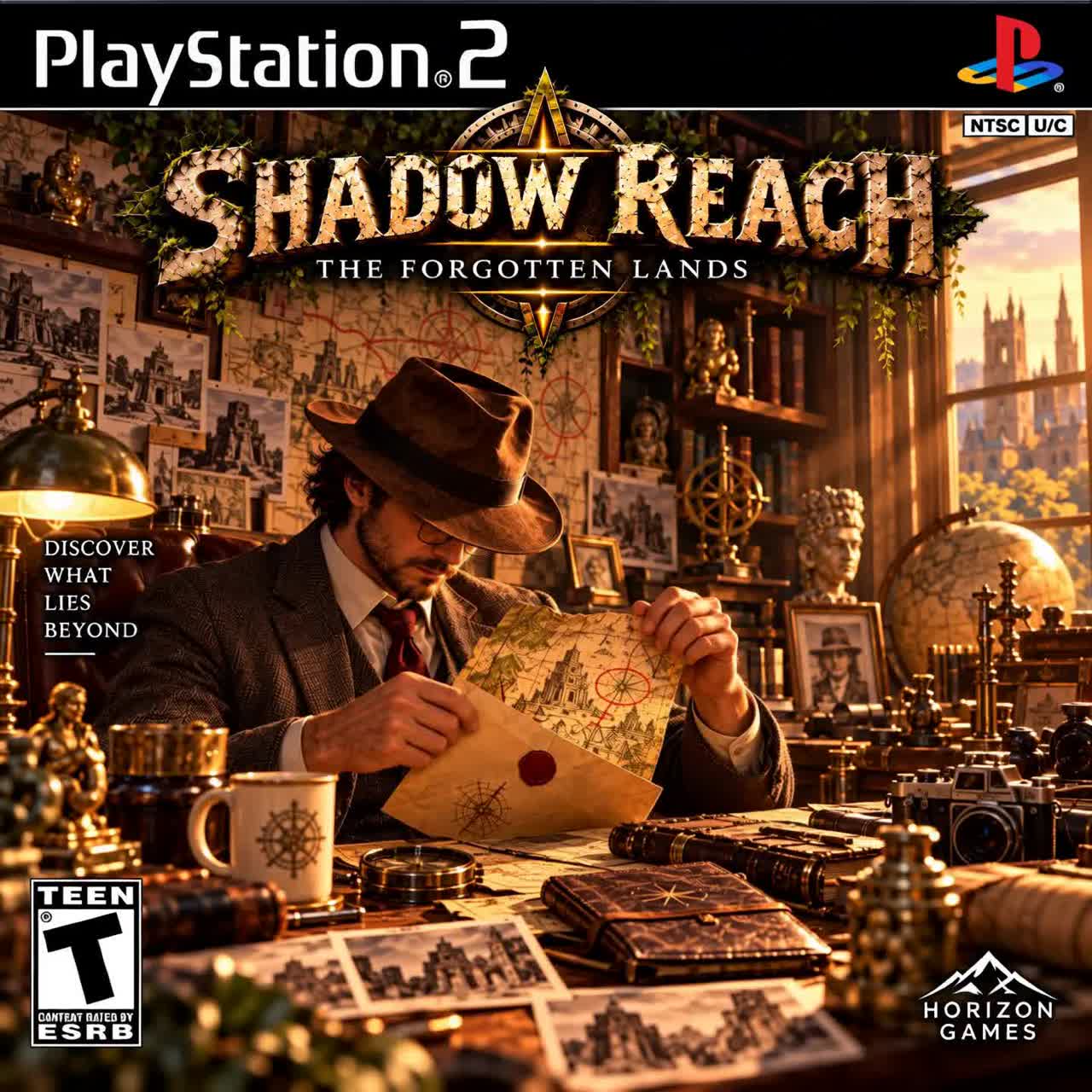

[Instrumental only — no vocals, no spoken words] [Scene: a weary adventurer sits alone in a quiet university office after hours and opens an unexpected handwritten letter from his estranged father. The room is still except for paper unfolding, a ticking clock, faint rain against old windows, and distant hallway ambience.] [Begin extremely intimate and restrained. Solo warm piano plays sparse, hesitant notes with long pauses, joined by soft cello and delicate sustained strings. The melody should feel personal, nostalgic, slightly melancholy, suggesting unresolved memories between father and son.] [As he slowly reads the letter, introduce quiet clarinet, bassoon, and a breathy wooden flute. Let individual instruments gently answer one another rather than forming a full melody. Maintain an old-fashioned scholarly atmosphere: dusty books, leather journals, lamplight, ancient maps and forgotten correspondence.] [The letter begins describing an archaeological mystery. Slowly shift the harmony from emotional warmth toward intrigue. Add very soft low strings, subtle tremolo violins, isolated harp notes and restrained French horn. Small musical details should emerge as if individual sentences in the letter are revealing clues.] [Discovery moment — he notices a strange symbol and realizes his father has left him something important. Brief silence, then a quiet mysterious chord. Introduce a simple three-to-five-note adventure motif on French horn, understated rather than heroic.] [The significance of the letter becomes clear. Gradually broaden the orchestra: warm cellos, elegant strings, bassoon, clarinet, oboe, harp and restrained brass. The earlier melancholy melody subtly transforms into a sense of purpose.] [Final section: the adventurer closes the letter and understands that he must find his father. Allow the French horn motif to return slightly stronger, hinting at the enormous journey ahead without becoming a full action theme.] [End quietly on an unresolved orchestral chord with soft piano and one lingering horn note — emotional, mysterious and anticipatory.] [Style: late-1930s archaeological adventure-film atmosphere; intimate father-and-son emotion; university-office mystery; restrained classical orchestration; natural acoustic instruments; expressive human timing; cinematic dynamic swells; no percussion-driven action; mystery first, adventure only hinted at.]
