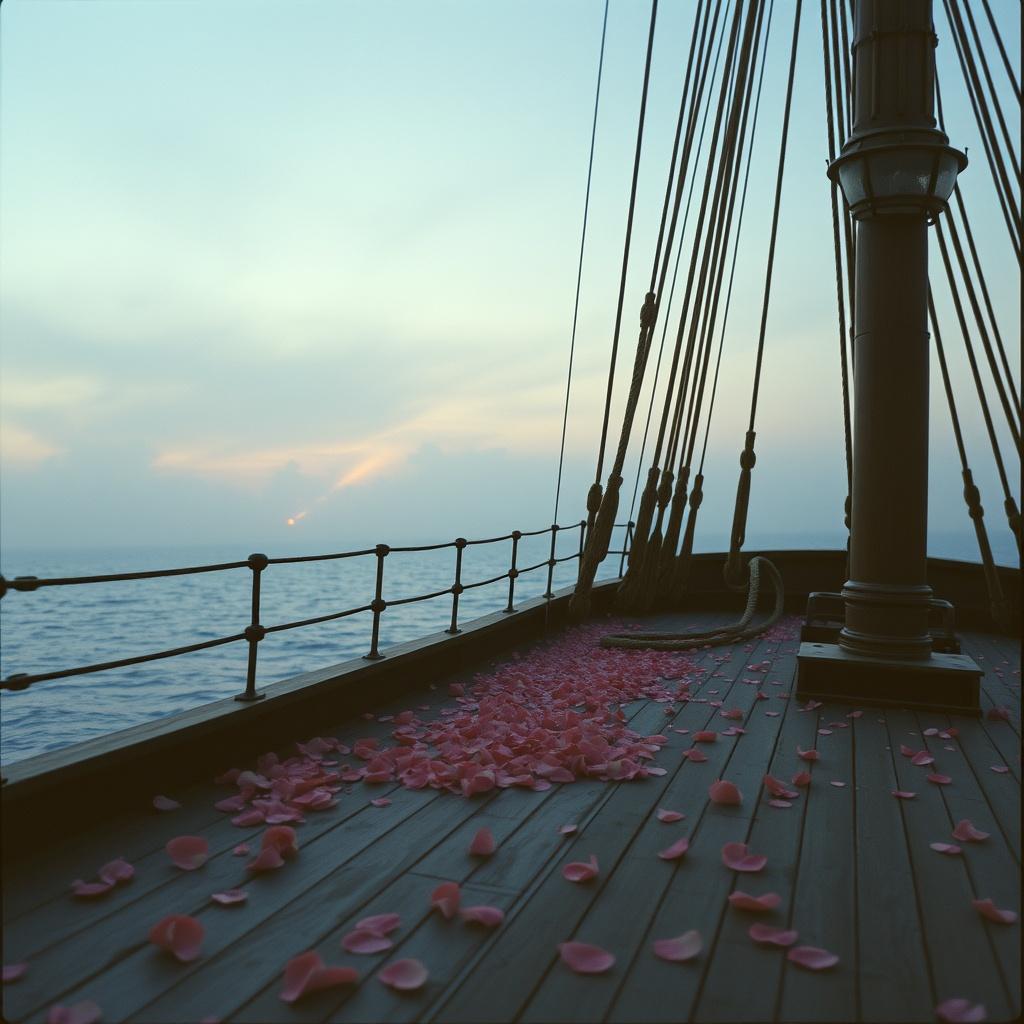

Verse I A word sits at the crossing of a hundred roads — the stimulus that shines, the memory that goads, the question asked, the image half in view, the ache of something old dressed up as new. Rose arrives — but from which garden did it come? The thorns of grief, the red that struck you dumb, the name she wore, the Gertrude on the page, the flower pressed between the lines of age? Chorus Sing the word that answers more than one, pulled by moon and tide and rising sun, thematic, formal, echoic, intraverbal too — no single source could do what all sources do. The response emerges, clean and unified, but count the strings that pulled before it cried. Verse II He writes light — is it the lamp, the weight released, the dawn that broke, the winter cold decreased, the pun that glinted just beneath the line, the formal echo of delight, divine? The strength of each controlling variable sums — the word grows bright before the speaker comes to say it, write it, find it on the tongue: one utterance, but overdetermined, wrung from thematic pressure, echoic pull, the textual chain made formal by the full convergence of what’s seen and what’s been said — the living word alive inside the dead. Chorus Sing the word that answers more than one, pulled by moon and tide and rising sun, thematic, formal, echoic, intraverbal too — no single source could do what all sources do. The response emerges, clean and unified, but count the strings that pulled before it cried. Verse III The poet calls it inspiration — names a Muse, a ghost, the source beyond all frames — but watch the convergence closer: smell of bread revives a word that years of silence fed; the line before demands a rhyme, a stress; the audience half-seen requires no less than wit; the image on the wall supplies a tact; the intraverbal chain replies. No single cause, no clean originating spark — the utterance is bright because multiple sources mark the same response from different angles, strains, the way a river rises when it rains on every watershed at once. The flood is not one cloud. The word is not one bud. Chorus Sing the word that answers more than one, pulled by moon and tide and rising sun, thematic, formal, echoic, intraverbal too — no single source could do what all sources do. The response emerges, clean and unified, but count the strings that pulled before it cried. (Coda) This poem was controlled by Skinner’s thought, by the pleasure of a rhyme that could be caught, by rose and light and river and the rest — each word arriving overdetermined, pressed from multiple directions into form. Reader, you bring your own variables to the storm. What you read here is not what one source gave. It is the sum. It is the convergent wave.
