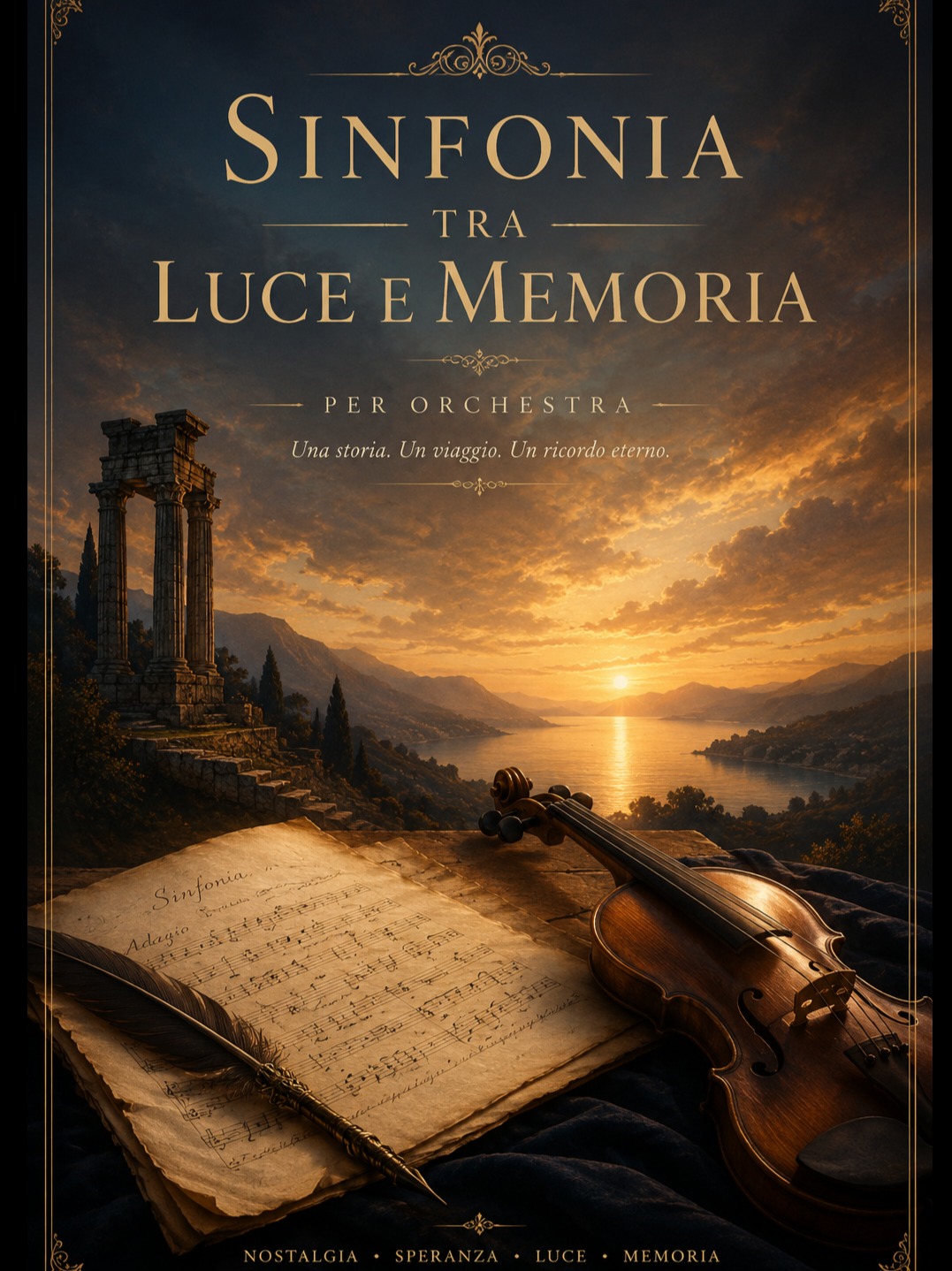

[Instrumentation Restrictions: Purely instrumental orchestral music. No human voices, choir, solo singers, vocal ensembles, vocal pads or vocal effects. No spoken words, narration, chanting, humming or vocalizations of any kind. Orchestra only, with all melodic, harmonic and expressive content performed exclusively by acoustic orchestral instruments. Compose an original purely instrumental orchestral symphony for classical orchestra only, with absolutely no voices, choir, singing, narration or vocal effects. ] [Compose an original orchestral symphony in the tradition of the Classical and early Romantic masters.] [Duration: 5–7 minutes.Orchestration: Strings: first violins, second violins, violas, cellos, double basses. Woodwinds: 2 flutes, 2 oboes, 2 clarinets, 2 bassoons. Brass: 2 French horns, 2 trumpets. Percussion: timpani only.] [Musical style: Inspired by the elegance, balance and expressive depth of the great symphonic tradition. The music should emphasize noble melodies, thematic development, contrapuntal interplay and organic orchestral growth. Avoid modern cinematic gestures, excessive percussion, sound design effects or contemporary harmonic language.] [Structure: I. Adagio. Open with a calm, lyrical introduction. Soft strings present a tender and nostalgic theme, answered by woodwinds. The atmosphere is intimate, reflective and serene. Dynamics remain mostly piano and mezzo piano. Use transparent orchestration and balanced classical phrasing.] [II. Andante. Gradually introduce movement and emotional warmth. Develop the principal theme through dialogue between strings and woodwinds. Employ elegant modulations and subtle harmonic enrichment. Maintain a graceful and flowing character.] [III. Allegro Increase energy and momentum through rhythmic vitality and thematic development. Expand the orchestral texture with fuller participation of horns and trumpets. Use classical motivic development, imitation and contrapuntal passages. The emotional character becomes confident, radiant and uplifting.] [V. Grand Symphonic Climax. Reach a powerful but refined orchestral culmination. Full orchestra participates in a majestic statement of the principal themes. The music should express joy, nobility, hope and restrained grandeur rather than dramatic spectacle. Brass reinforce the harmonic structure without overpowering the ensemble. Timpani provide rhythmic support and ceremonial weight.] [V. Coda – Adagio. After the climax, gradually return to a quieter and more introspective atmosphere. Reduce the orchestration, allowing strings and woodwinds to recall fragments of earlier themes. End with a gentle, expressive conclusion that evokes memory, contemplation and peaceful nostalgia.] [Compositional characteristics: Clear formal structure. Memorable singable themes. Balanced orchestral writing. Elegant harmonic progressions. Moderate use of counterpoint. Wide dynamic range from pianissimo to fortissimo. Continuous thematic unity throughout the work. Noble, lyrical and emotionally sincere character.Authentic symphonic style rooted in the Classical and early Romantic tradition.]
