Jesus the Magician
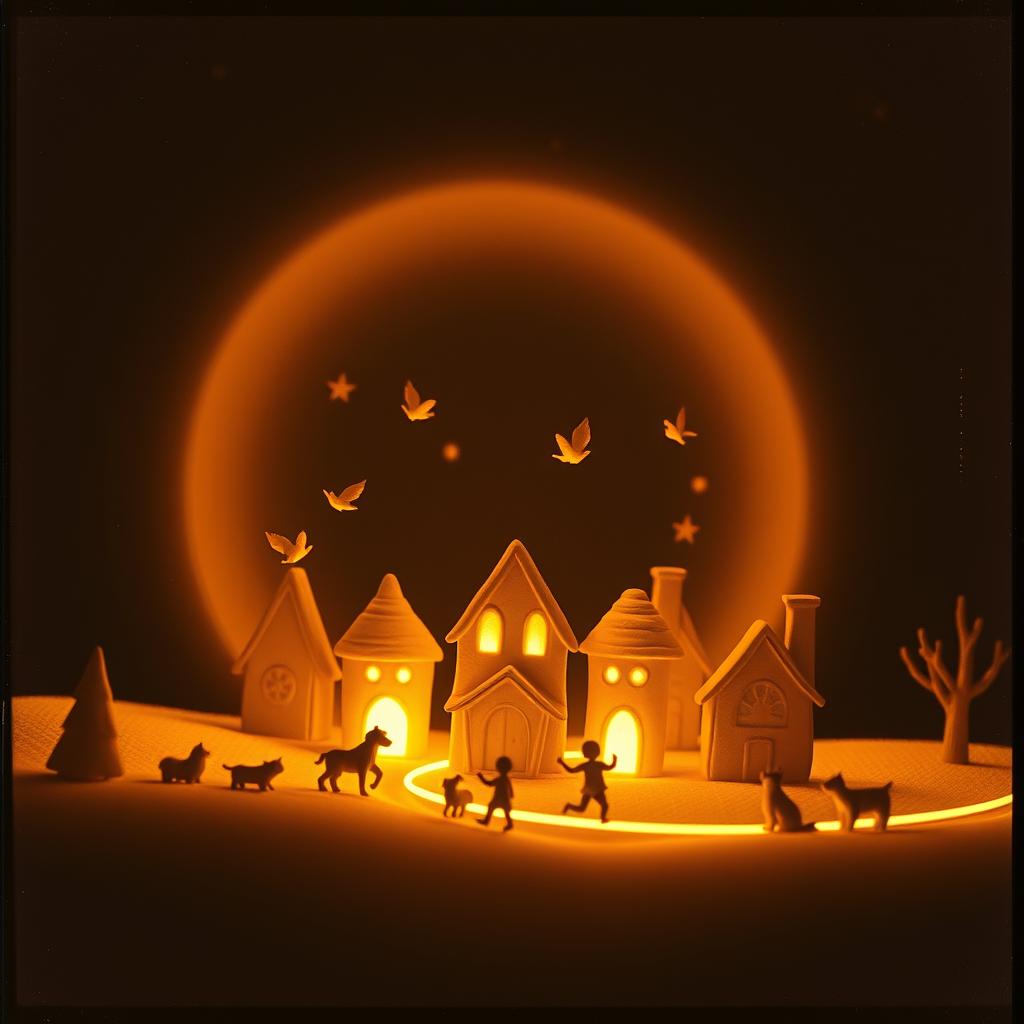
The Arabic Gospel of the Infancy (also known as the Syriac Gospel of the Infancy or The Life of Jesus in Arabic) is a Christian apocryphon, that is to say, a writing whose authenticity is not established. In the biblical field, the term designates, following the formation of the canon, a text judged inauthentic by religious authorities, relating the birth and childhood of Jesus with an abundance of the marvelous. It may have been compiled around the sixth century and is partly based on the Infancy Gospel of Thomas and the Protoevangelium of James. It is thought that the original sources of this apocryphon were written in Syriac around the fifth or sixth century. It became known in the West through an Arabic version, published by Henry Sike in one thousand six hundred and ninety-seven, with a Latin translation. The text, although recounting something that never took place, is full of poetry: One day, after Jesus had completed his seventh year, he was playing with his little companions, that is, children of his own age. They amused themselves with clay and made little figurines from it, representing donkeys, oxen, birds, and so on. Each of them took pride in his skill and boasted of his work. And the Lord Jesus said to the boys: “These figurines that I have made, I shall command them to walk.” The little boys said to him: “Are you then the Son of the Creator?” And the Lord Jesus commanded these figurines to walk, and immediately they began to leap about. Then he called them back, and they returned. And Jesus had also made figurines representing birds and little sparrows. He commanded them to fly, and they flew; to come to rest, and they came to rest upon his hands. He gave them food, and they ate; drink, and they drank. The little boys went off to tell the matter to their parents. And these said to them: “Children, no longer associate with that one; he is a magician. Keep away from him, do not approach him, and from now on do not play with him anymore.”
