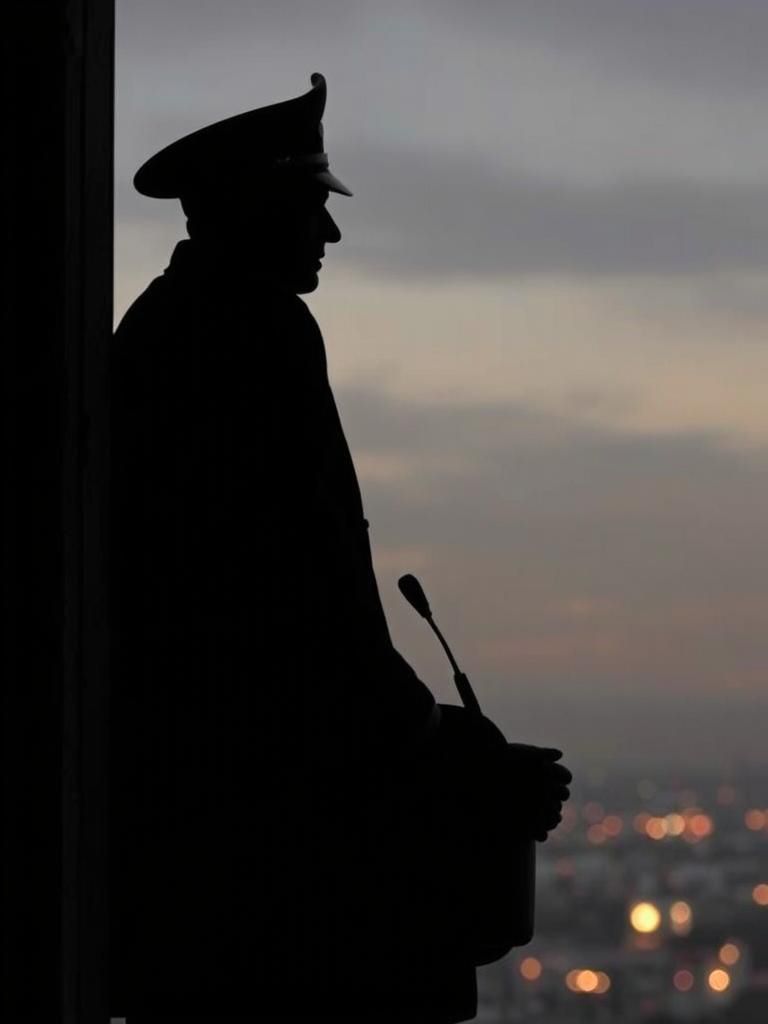
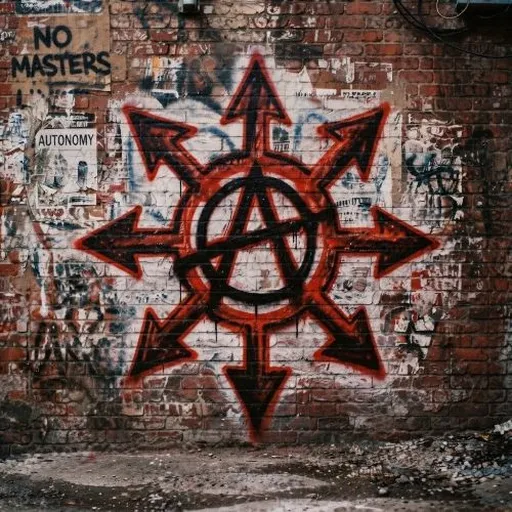
There is a kind of authority that never steps forward. It speaks from balconies, from podiums, from secure rooms with good lighting and better exits. It has a clear view of danger—but only at a distance calibrated to remain harmless. This authority is fluent in urgency. It knows how to sound alarmed without being endangered, how to frame every moment as a crossroads while never choosing a path that risks its own footing. It does not lie outright; it simply narrates selectively. Threats are emphasized. Context is trimmed. Fear is polished until it gleams. What gives it power is not action, but interpretation. It tells others where the danger is, who must respond, and what sacrifice will look like—always in abstract terms. Sacrifice is noble, necessary, historic. It is spoken of reverently, like a tradition rather than an outcome. The cost is never itemized, only honored after the fact, briefly, before becoming evidence that the warning was justified all along. Those sent forward are praised for their courage. Their doubts are reframed as weakness, their hesitation as irresponsibility. Experience is weaponized against them: you don’t see the full picture, you don’t understand the stakes, history will judge. History, notably, is always imagined as a future audience, never a present witness asking uncomfortable questions. And if the results are disastrous? That too is absorbed. Loss becomes proof. Failure becomes destiny. The narrative tightens, not loosens. There is always another warning ready, another looming threat that explains why this time must be different—why more must be given, why questioning now is dangerous. What’s rarely examined is altitude. Distance changes everything. From far enough away, complexity collapses into shapes: good and evil, brave and cowardly, necessary and naive. From far enough above consequences, it’s easy to confuse survival with wisdom, longevity with righteousness. Remaining untouched begins to feel like validation. This is not always malice. Often it’s habit. Institutions inherit this posture. Individuals learn it pays. Staying removed is rewarded with credibility, while stepping into risk invites scrutiny, blame, and vulnerability. Over time, courage is redefined as convincing others to move instead. The quiet truth is this: Warnings cost nothing to issue. Sacrifice costs everything to bear. A society—or an organization, or a movement—should be wary of voices that are never interrupted by reality. Of leaders who speak endlessly of stakes but are never among them. Of moral certainty that doesn’t require skin in the game. Because eventually, the ground empties out. The people who were always asked to move forward are fewer. Trust erodes. The warnings echo longer than they should, unanswered, hanging in air that no longer carries them. And still the voice continues, convinced of its importance, mistaking its survival for proof. But endurance alone is not virtue. And altitude is not insight. If someone always knows where danger is—but never seems close enough to face it—the question isn’t whether they see clearly. It’s whether they’ve chosen safety over truth, and learned to call it leadership.
