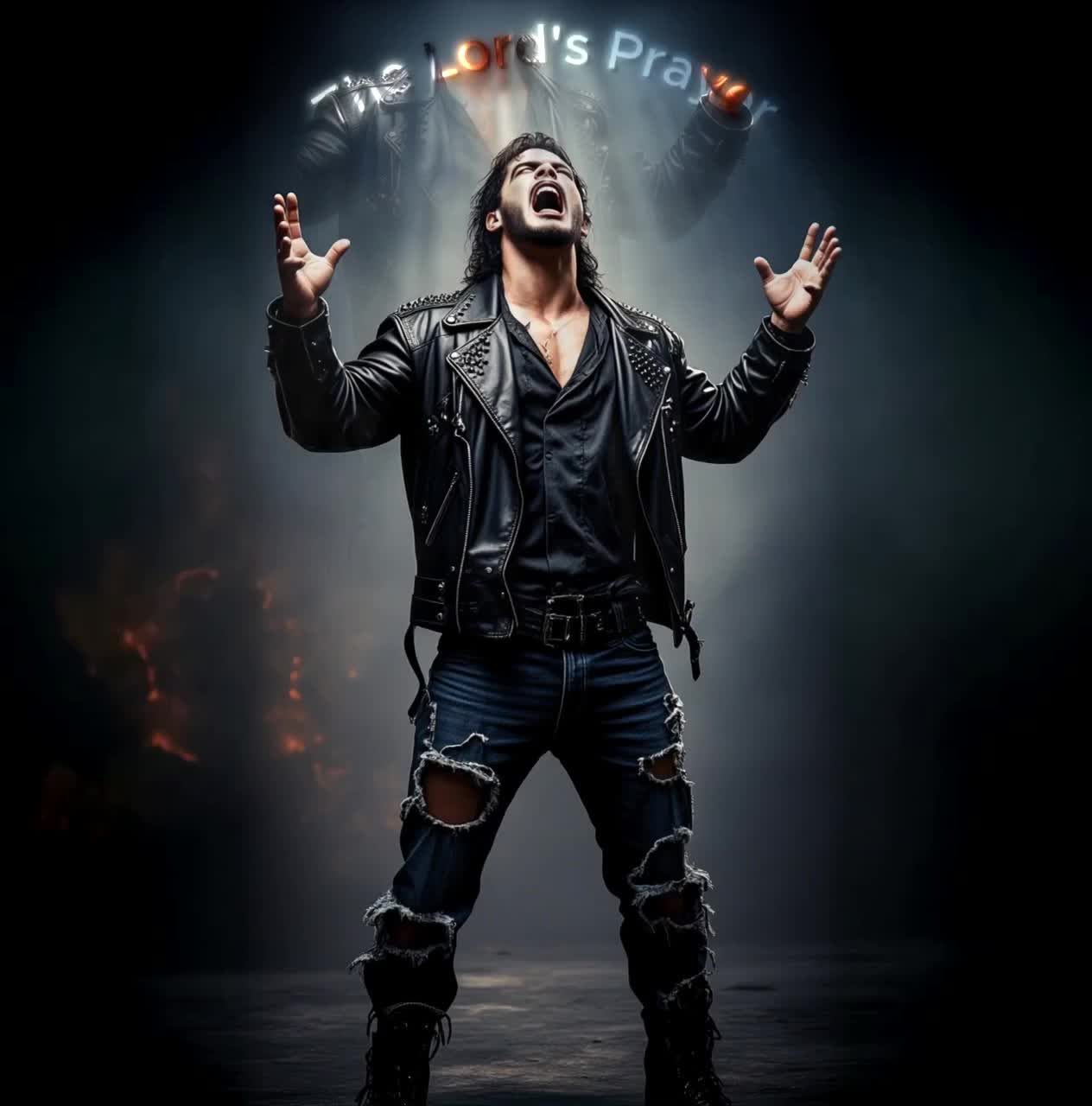
The Lord's Prayer✨Հայր Մեր✨Hayr Mer✨Pater Noster✨

✨The Lord's Prayer ✨Հայր Մեր ✨Pater Noster ✨Hayr Mer by ARMATHORES Copyright © 2025 All Rights Reserved!!! Only for instrumental!! ++++++++++++++ ✨EN Christianity in Armenia was adopted as the state religion in 301 AD, during the reign of King Tiridates III and through the work of St. Gregory the Illuminator. This made Armenia the first country in the world to officially embrace Christianity. The prayer “Our Father” (The Lord’s Prayer) belongs to the New Testament, as it was given by Jesus Christ to His disciples and is recorded in the Gospels of Matthew and Luke. This prayer is part of the Sermon on the Mount and is considered foundational in Christian tradition. It appears in the New Testament in Matthew 6:9–13 and Luke 11:1–4. Author: Jesus Christ Himself taught this prayer to His disciples, which gives it special significance in the Christian faith. The prayer is part of the Sermon on the Mount, which outlines Christ’s teaching and commandments. Difference from the Old Testament: In the Old Testament, the concept of God as Father existed, but in the New Testament Jesus Christ greatly expanded and deepened the understanding of God as the Heavenly Father, which is reflected in the Lord’s Prayer. ++++++++++++++ ✨HY Հայաստանում քրիստոնեությունը որպես պետական կրոն ընդունվեց մ․ թ․ 301-ին, թագավոր Տրդատ Գ Երրորդի օրոք և ի շնորհիվ սրբ Գրիգորի Լուսավորիչի գործի։ Այսպիսով Հայաստանը դարձավ աշխարհում առաջին երկիրը, որը պաշտոնապես ընդունեց քրիստոնեությունը։ «Հայր Մեր» աղոթքը պատկանում է Նոր Կտակարանին, քանի որ այն շնորհվեց Իսուս Քրիստոսի կողմից իր աշակերտներին և մատնանշված է Մատթեոսի և Ղուկասի ավետարաններում։ Այս աղոթքը մաս է կազմում Լեռան քարոզին և համարվում է քրիստոնեական ավանդույթի հիմքը։ Այն հայտնված է Նոր Կտակարանում՝ Մատթեոս 6 :9-13 և Ղուկաս 11 :1-4։ Խնդիրյալ՝ Իսուս Քրիստոսն ինքն սովորեցրեց այս աղոթքը իր աշակերտներին, ինչն տալիս է նրան հատուկ նշանակություն քրիստոնեական հավատքում։ Աղոթքը մաս է կազմում Լեռան քարոզի, որը ձևավորում է Քրիստոսի ուսուցումը և պատվիրանիները։ Հին Կտակարանից տարբերությամբ՝ Հին Կտակարանում Աստծո «Հայր» միացող հասկացողությունը գոյություն ուներ, բայց Նոր Կտակարանում Իսուս Քրիստոս զգալիորեն ընդլայնեց և խորացրեց այս հասկացողությունը՝ դեռևս «երկնային Հոր» պատկերով, ինչը արտացոլված է «Հայր Մեր» աղոթքում։ ++++++++++++++ ✨🇩🇪 Deutsch In Armenien wurde das Christentum im Jahr 301 n. Chr. als Staatsreligion eingeführt, während der Herrschaft von König Tiridates III und durch das Wirken des heiligen Gregor des Erleuchters. Dies machte Armenien zum ersten Land der Welt, das das Christentum offiziell annahm. Das Gebet „Vater unser“ (The Lord’s Prayer) gehört zum Neuen Testament, da es von Jesus Christus seinen Jüngern gegeben und in den Evangelien von Matthäus und Lukas aufgezeichnet wurde. Dieses Gebet ist Teil der Bergpredigt und gilt als grundlegend in der christlichen Tradition. Es erscheint im Neuen Testament in Matthäus 6 :9-13 und Lukas 11 :1-4. Autor: Jesus Christus selbst lehrte dieses Gebet seinen Jüngern, was ihm im christlichen Glauben eine besondere Bedeutung verleiht. Das Gebet ist Teil der Bergpredigt Christi, die seine Lehre und Gebote darlegt. Unterschied zum Alten Testament: Im Alten Testament existierte das Konzept Gottes als Vater, doch im Neuen Testament erweiterte und vertiefte Jesus Christus dieses Verständnis Gottes als des himmlischen Vaters erheblich, was sich im Vaterunser widerspiegelt. +++++++++++++++ ✨🇫🇷 Français Le christianisme en Arménie fut adopté comme religion d’État en 301 apr. J.-C., sous le règne du roi Tiridate III et grâce à l’œuvre de saint Grégoire l’Illuminateur. Cela fit de l’Arménie le premier pays du monde à embrasser officiellement le christianisme. La prière «Notre Père» (The Lord’s Prayer) appartient au Nouveau Testament, car elle fut donnée par Jésus-Christ à ses disciples et est consignée dans les Évangiles de Matthieu et de Luc. Cette prière fait partie du Sermon sur la montagne et est considérée comme fondatrice de la tradition chrétienne. Elle apparaît dans le Nouveau Testament aux passages Matthieu 6 :9-13 et Luc 11 :1-4. Auteur : Jésus-Christ lui-même enseigna cette prière à ses disciples, ce qui lui confère une signification particulière dans la foi chrétienne. La prière fait partie du Sermon sur la montagne, qui expose l’enseignement et les commandements du Christ. Différence avec l’Ancien Testament : Dans l’Ancien Testament, la notion de Dieu comme Père existait, mais dans le Nouveau Testament, Jésus-Christ a considérablement élargi et approfondi cette compréhension de Dieu comme Père céleste, ce qui se reflète dans la prière «Notre Père». +++++++++++++++ ✨🇨🇳 中文(简体) 亚美尼亚于公元301年,在国王提里达特三世统治期间,并通过圣格里高利照明者的事工,将基督教作为国家宗教采纳。这使亚美尼亚成为世界上第一个官方接受基督教的国家。 “我们在天之父”(主祷文)属于新约,因为它是由耶稣基督赐予他的门徒,并记载在马太福音与路加福音中。此祷文是登山宝训的一部分,并被视为基督教传统的基础。它出现在新约的马太福音6:9-13及路加福音11:1-4中。 作者:耶稣基督亲自教导他的门徒这祈祷文,这使其在基督教信仰中具有特殊意义。该祷文是登山宝训的一部分,该宝训阐述了基督的教导与诫命。 与旧约的区别:在旧约中,“父”作为上帝的概念已存在,但在新约中,耶稣基督极大地扩展并深化了对“天父”这一神性父亲形象的理解,这体现在主祷文中。 ✨++++++++++++ [Instrumental Build] [Instrumental composition: a soft motif of acoustic guitar and duduk builds into a droning guitar tone] [Act I:“Hayr Mer” (Armenian)] [Verse 1] Հայր մեր որ յերկինս ես, Սուրբ եղիցի անուն Քո։ Եկեսցէ արքայութիւն Քո։ Եղիցին կամք Քո Որպէս յերկինս եւ յերկրի։ Զհաց մեր հանապազորդ Տուր մեզ այսօր։ [Chorus] Եւ թող մեզ զպարտիս մեր, Որպէս և մեք թողումք Մերոց պարտապանաց։ Եւ մի տանիր զմեզ ի փորձութիւն։ Այլ փրկեա զմեզ ի չարէ։ Զի քո է արքայութիւն Եւ զօրութիւն եւ փառք Յաւիտեանս Ամէն.....[screaming] [Drums swell, guitars erupt into a full-on assault] [Act II: “Our Father” (English)] [A contrasting, more aggressive delivery of the prayer that reflects inner struggle] [Verse 2] Our father who art in heaven Hallowed be thy name Thy kingdom come Thy will be done On earth as it is in heaven [Chorus] Give us this day our daily bread Forgive us our trespasses As we forgive those who trespass against us And lead us not into temptation But deliver us from evil For your 's is the kingdom and the power And the glory now and forever Amen. [An emotional guitar solo rages forth.] [Act III: “Pater Noster” (Latin)] [A lofty, monumental aria with underpinnings that give way to metal riff.] [verse 3] Pater noster, qui es in coelis, Sanctificetur nomen tuum. Adveniat regnum tuum. Fiat voluntas tua, Sicut in caelo et in terra. [chorus] [Solo Vocal Line] Panem nostrum quotidianum da nobis hodie. Et dimitte nobis debita nostra, Sicut et nos dimittimus debitoribus nostris. Et ne nos inducas in tentationem: Sed libera nos a malo. Amen.[screaming] [replaced by a brutal death-metal riff beneath “Amen.”] [Act IV:“Hayr Mer” (Armenian)] [Verse 4] Հայր մեր որ յերկինս ես, Սուրբ եղիցի անուն Քո։ Եկեսցէ արքայութիւն Քո։ Եղիցին կամք Քո Որպէս յերկինս եւ յերկրի։ Զհաց մեր հանապազորդ Տուր մեզ այսօր։ [screaming] [Chorus] Եւ թող մեզ զպարտիս մեր, Որպէս և մեք թողումք Մերոց պարտապանաց։ Եւ մի տանիր զմեզ ի փորձութիւն։ Այլ փրկեա զմեզ ի չարէ։ Զի քո է արքայութիւն Եւ զօրութիւն եւ փառք Յաւիտեանս Ամէն.....[screaming] [Strings die away; the last “Amen” echoes over the receding guitar drone.] Through faith and fire we fly! [screaming] [Fade out։ duduk and guitar]
