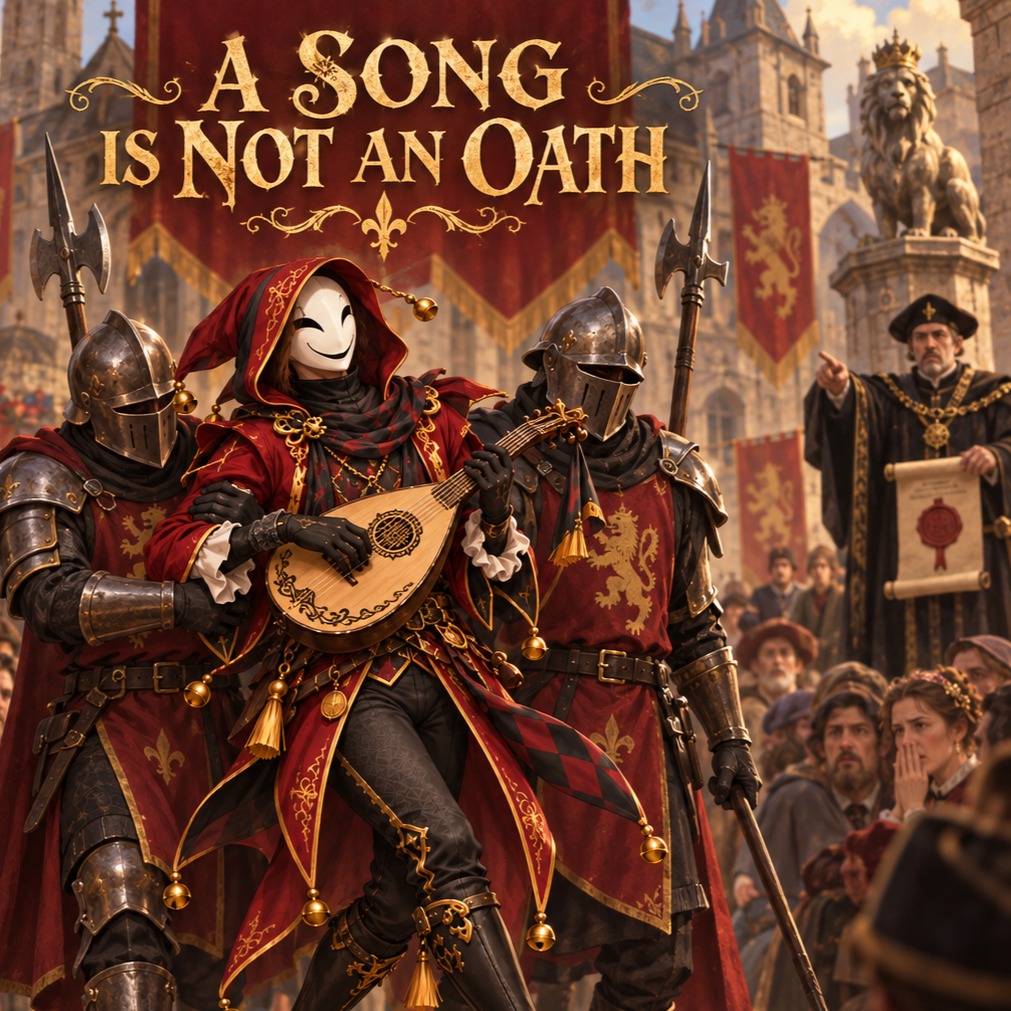
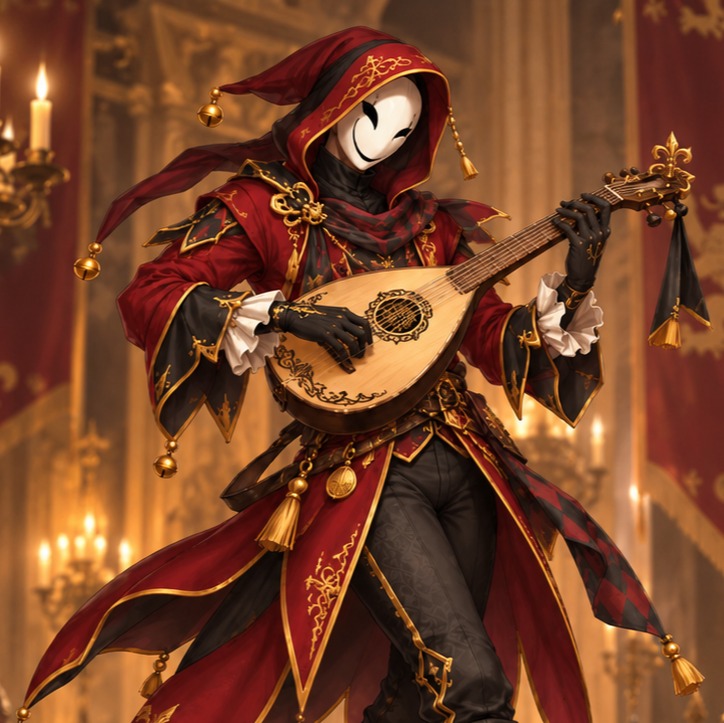
A minstrel came to town one spring and played a lovely tune. The crowd all sang it through the streets from morning until noon. Then someone learned the minstrel held one view they thought absurd. “You still enjoy his music?” “Well... I rather liked the words.” They stared at him in horror, as though he'd just turned coat. He shrugged and said, “I liked his song; I never swore an oath.” A song is not an oath, my friend. A book is not a creed. To praise the flower someone grew is not to praise each planted seed. Agree on ninety-nine good things, But differ on one more— And ninety-nine are swept away. The hundredth starts a war. So formed the "Guild of Proper Taste" to keep the kingdom clean. They questioned every poet first on what his verses mean, The painter's views on taxes, the blacksmith's thoughts on art, The baker's stance on foreign trade before they'd buy his tarts. “It's simply being careful! Please know whom your coin supports!” Until enjoying anything required a full report. The artists learned the lesson fast: "Some thoughts were best unsaid." The singer smiled and sang his songs, kept others in his head. The painter dodged the questions the playwright changed the theme. The poet learned which thoughts were safe and which should not be seen. For every fool who spoke too plain was driven from the square. And everyone who watched him go learned what they shouldn't share. A song is not an oath, my friend. A book is not a creed. To praise the flower someone grew is not to praise each planted seed. And silence isn't harmony, though quiet sounds that way. You cannot know what people think when speaking makes them pay. In time the Guild surveyed the arts and proudly made this claim: “Observe! All worthy artists now believe in much the same!” “No quarrelsome musicians! No painters who dissent!" "The evidence is plain to see—Our culture's in consent!” The Jester blinked and scratched his mask. “An... interesting review. To prove that no one disagrees by punishing those who do.” At last the kingdom's shelves grew bare—Its galleries a bore. Each work was linked to someone wrong by three degrees or four. The songs were pure. The books were pure. No bleeding voice remained. No argument disturbed the peace. No friendship risked a strain. The Guild surveyed the silent square and cheered what they'd achieved. And never asked, “Is everyone pure—Or frightened to disagree?” A song is not an oath, my friend. A friend is not a creed. You need not share another's mind to cherish some good deed. Have lines. Have standards. Walk away when conscience tells you so, But don't confuse agreement with the only love you know. For if affection needs assent on every thought you hold, You'll gather only mirrors round and call the chamber full. So if your world seems wonderfully untroubled by dissent, Before you boast that all agree, ask where the others went. Perhaps the friend beside your chair believes what you'd despise. Perhaps the bard whose songs you love his views might vex your eyes. A man may write a lovely song and still be wrong or dumb or both. You may like what he created—You never swore an oath.
