C menor_E major — © 2026 (Alex Sikorsky) v.1.0

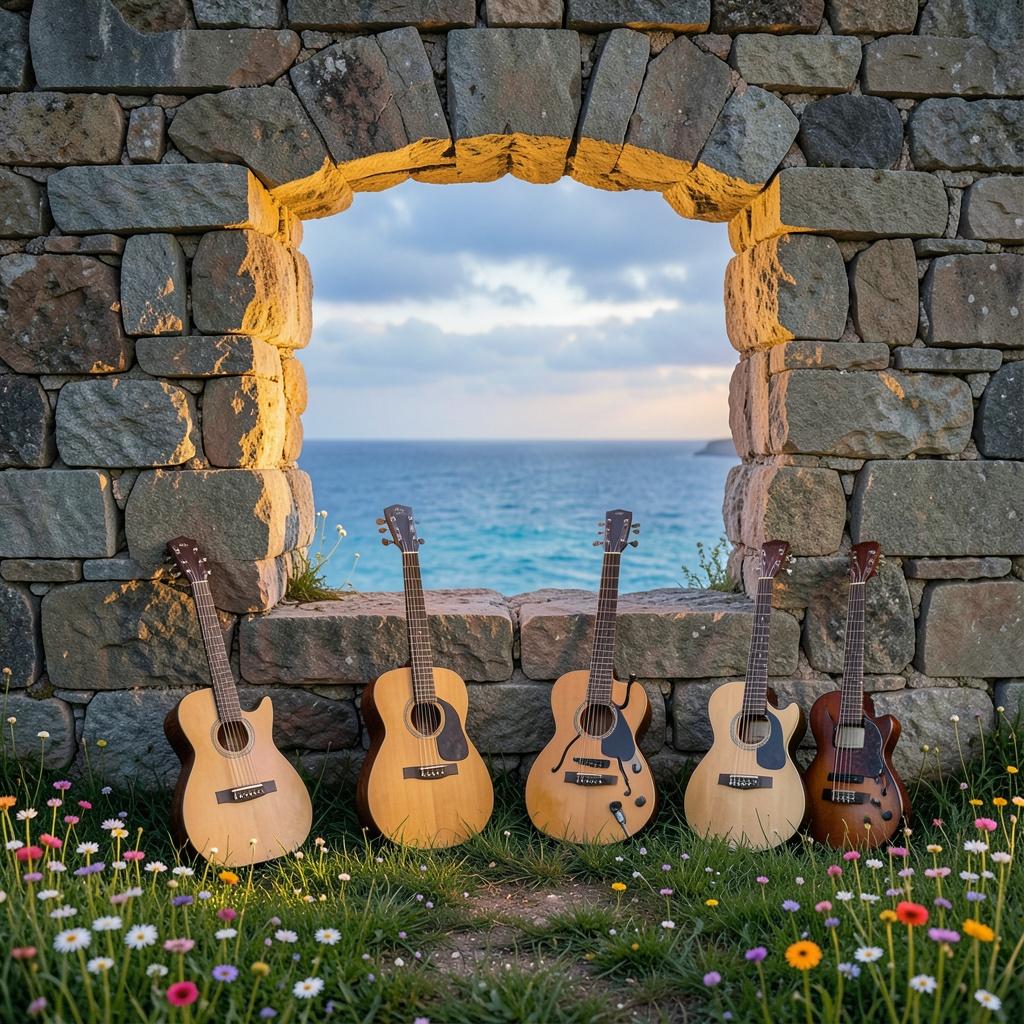
[INSTRUMENTAL] [GENERAL: Cinematic Spanish classical guitar ensemble | 92 BPM, flexible internal rubato | 4/4 | C minor gradually opening toward E-flat major | Target 7–8 minutes | Original melody and harmony; continuous thematic development, no static loops] [INSTRUMENT ROLES] [GUITAR 1: Nylon-string guitar, sole lead melody. Fingerstyle, long singing notes, restrained vibrato, natural slides and finger noise. Never become chordal accompaniment. Use breath pauses and varied phrase endings.] [GUITAR 2: Nylon-string guitar, flamenco rasgueado and short attacks. Supple Spanish pulse, organic accents and density. Rhythmic support only; never take or double the lead.] [GUITAR 3: Nylon-string guitar, open voicings, upper-register answers and independent counter-phrases. Add harmonic colour without doubling the lead.] [BASS: Warm acoustic bass, sparse fingerstyle roots and selected passing tones; no busy groove or melodic dominance.] [HARMONY — INTRO, 8 BARS, RUBATO, PP] [Cm(add9) | Abmaj7 | Eb/G | G7sus4 G7 | Fm9 | Dbmaj7 | Ab/C | G7(b9)] [GUITAR 1: Exposed, intimate theme built from C–Eb–G–Bb, then descending G–F–Eb–D. Leave real silence between phrases.] [GUITAR 2: Rest for the opening phrase; enter with a faint rasgueado pickup near the end.] [GUITAR 3: Sparse high sustained tones on Abmaj7 and Dbmaj7; natural decay.] [BASS: Enter late, one warm sustained note per harmonic change.] [THEME A, 16 BARS, P TO MP] [Cm(add9) | Abmaj7 | Eb/G | G7(b9) | Fm9 | Cm/Eb | Dbmaj7 | G7sus4 G7 | Cm(add9) | Bb/D | Ebmaj7 | Abmaj7 | Fm9 | Dbmaj7 | G7(b9) | Cm(add9)] [GUITAR 1: Develop the motif into a longer lyrical line, rising sequences and a held Eb over Abmaj7; let a falling phrase resolve at Cm. Keep natural rubato.] [GUITAR 2: Gentle flamenco pulse, light rasgueado and separated chord attacks; organic accents and gaps under long lead notes.] [GUITAR 3: Answer the lead in phrase gaps with a descending two- or three-note counterline; use open voicings and let upper notes ring.] [BASS: Mark roots and selected approach tones; make G7(b9) to Cm audible and emotionally satisfying.] [THEME A EXPANSION, 16 BARS, MP TO MF] [Abmaj7 | Bb(add9) | Cm(add9) | G7sus4 G7 | Fm9 | Ab/Eb | Dbmaj7 | G7(b9) | Cm/Eb | Fm9 | Bb7sus4 Bb7 | Ebmaj7 | Abmaj7 | Dm7b5 | G7(b9) | Cm(add9)] [GUITAR 1: Recast the theme with a higher-register response and a more urgent rising phrase. Change the ending to lead forward rather than repeat the intro.] [GUITAR 2: Increase rasgueado energy in waves, with varied accents and brief rests; avoid a constant strumming wall.] [GUITAR 3: Add a distinct descending counter-melody against the rising lead, then resolve into sustained chord tones.] [BASS: Emphasize harmonic pivots, especially Bb7 to Ebmaj7 and Dm7b5 to G7(b9).] [CLIMAX, 16 BARS, F AND EXPRESSIVE] [Fm9 | Abmaj7 | Eb/G | G7(b9) | Cm(add9) | Bb/D | Ebmaj7 | G7sus4 G7 | Abmaj7 | Bb(add9) | Cm(add9) | Fm9 | Dbmaj7 | Ab/C | G7(b9) | Cm(add9)] [GUITAR 1: Passionate melodic statement, sustained peaks, expressive vibrato and descending release; articulate, never frantic.] [GUITAR 2: Strongest flamenco pulse, lively rasgueado and crisp dynamic accents; follow the phrasing, not a rigid beat.] [GUITAR 3: Active but independent counter-phrases in the gaps, wider voicings and high sustained tones. Never double the lead.] [BASS: Fuller sustained roots and a few purposeful connecting notes; remain warm and controlled.] [RELEASE, 8 BARS, MF TO P] [Fm9 | Cm/Eb | Dbmaj7 | Ab/C | Fm9 | G7sus4 G7 | Cm(add9) | Cm(add9)] [GUITAR 2: Gradually reduce attack density, then fall silent.] [GUITAR 3: Let the counterline descend and dissolve into a sustained open voicing.] [GUITAR 1: Return to a quieter, transformed fragment of the opening melody, with longer pauses.] [BASS: Simplify to sparse sustained notes and release before the final guitar phrase.] [OUTRO, 8 BARS, PP, FREE RUBATO] [Abmaj7 | Eb/G | Fm9 | Cm(add9) | Dbmaj7 | G7sus4 G7 | Cm(add9) | Cm(add9)] [GUITAR 1: Final delicate descending phrase, ending on C; allow the last note and chord to decay naturally into silence.] [GUITAR 2: Silent.] [GUITAR 3: One soft high harmonic colour, then natural decay.] [BASS: One restrained final C, no extra flourish.] [PERFORMANCE AND MIX] [Keep guitar parts independent and spatially distinct. Preserve finger noise, nylon-string warmth and transients; clear low mids, defined bass, gentle compression, natural reverb and restrained stereo movement. Organic dynamics, smooth transitions, natural decay. No electronics, percussion or extra instruments.]
