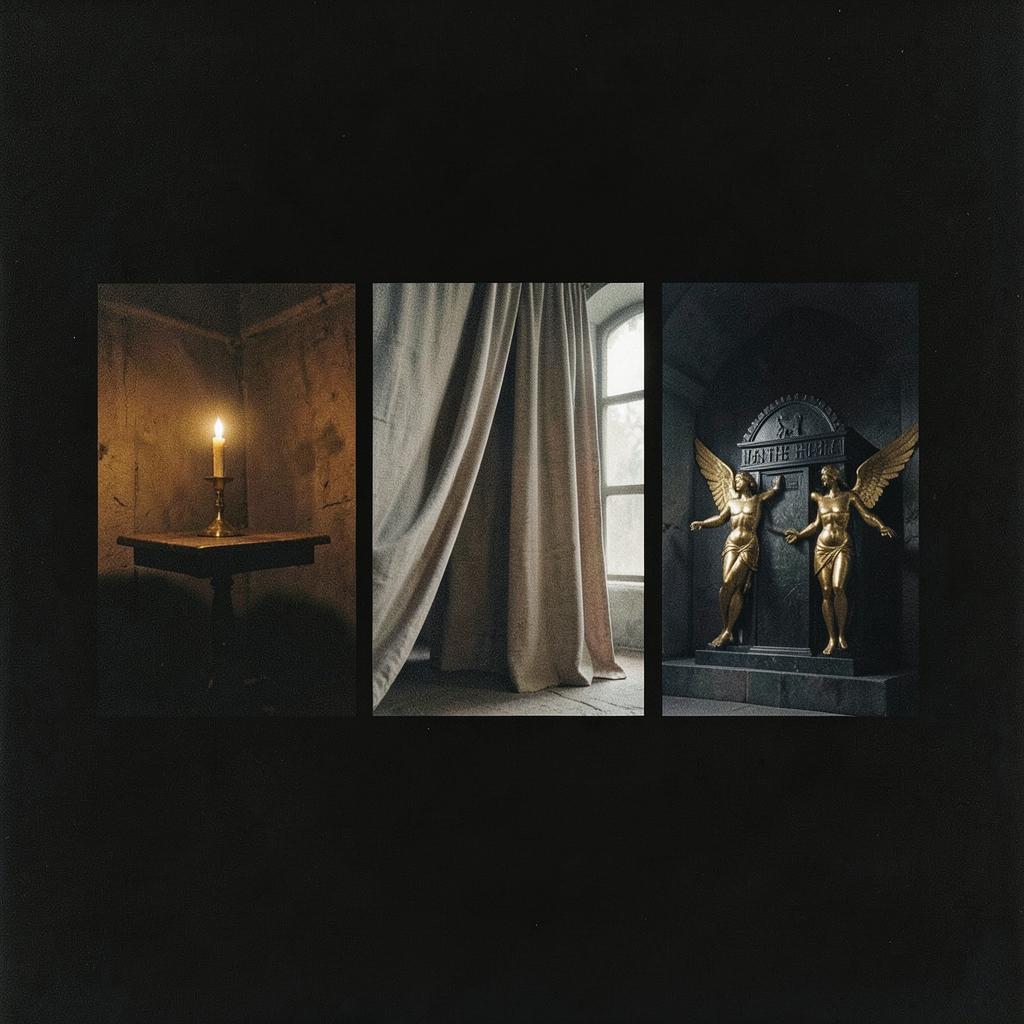

Let's begin by remembering how worship was established under the first covenant. Yahuah gave Israel instructions for serving him, and he established an earthly sanctuary where the priests would carry out their duties. This sanctuary was called the tabernacle. Inside the first section stood the golden candlestick, the table, and the sacred bread placed before Yahuah. This room was called the Holy Place. Beyond it was another curtain, separating the first room from the Most Holy Place. This was the most sacred part of the tabernacle. It was associated with the golden vessel used for incense and the Ark of the Covenant, which was covered with gold. Inside the Ark were the golden container holding manna, Aaron's staff that had miraculously produced buds, and the stone tablets of the covenant. Above the Ark were the glorious cherubim, whose wings overshadowed the mercy seat, the place associated with atonement. These things held great meaning, but the writer of Hebrews explains that there is not enough time to discuss every detail. Now consider how the priests served in this sanctuary. The appointed priests regularly entered the first room to carry out their duties before Elohim. But the second room was different. Only the High Priest could enter the Most Holy Place, and he entered just once each year. This happened on the Day of Atonement. And he could never enter without blood. He brought blood as an offering for his own sins and for the errors of the people. This included sins committed through ignorance, things the people had done wrong without fully realizing it. Think about that. Even when people did not recognize every mistake they had made, atonement still mattered. Through these arrangements, the Ruach Hakodesh was revealing something important. As long as the first tabernacle remained in service, the way into the Most Holy Place had not yet been fully revealed. That earthly sanctuary was an illustration pointing toward a greater reality. The gifts and sacrifices offered there could serve their appointed purpose, but they could not bring the worshiper's conscience to complete perfection. The regulations included food, drink, different ceremonial washings, and outward requirements for purification. These requirements belonged to that system until the appointed time when a greater order would be established. And now we come to Yahushua HaMashiach. Yahushua came as High Priest of the greater blessings promised by Elohim. But he does not serve in a tabernacle built by human hands. His ministry belongs to the greater and more perfect heavenly sanctuary. And unlike the earthly High Priest, Yahushua did not enter through the blood of goats or calves. He entered the Most Holy Place once for all through his own blood. Through his sacrifice, he obtained eternal redemption. Now think about the animal offerings under the former priesthood. The blood of bulls and goats, along with the ashes of a young female cow, were used in the appointed purification ceremonies. These offerings could make a person ceremonially clean according to the requirements of that covenant. But if those offerings could accomplish outward purification, consider how much greater Yahushua's sacrifice is. Through the eternal Spirit, Yahushua offered himself to Elohim without sin or blemish. His sacrifice can cleanse our consciences from works that lead to death. And with a cleansed conscience, we are able to serve the living Elohim.
