
Music/Genius Problems

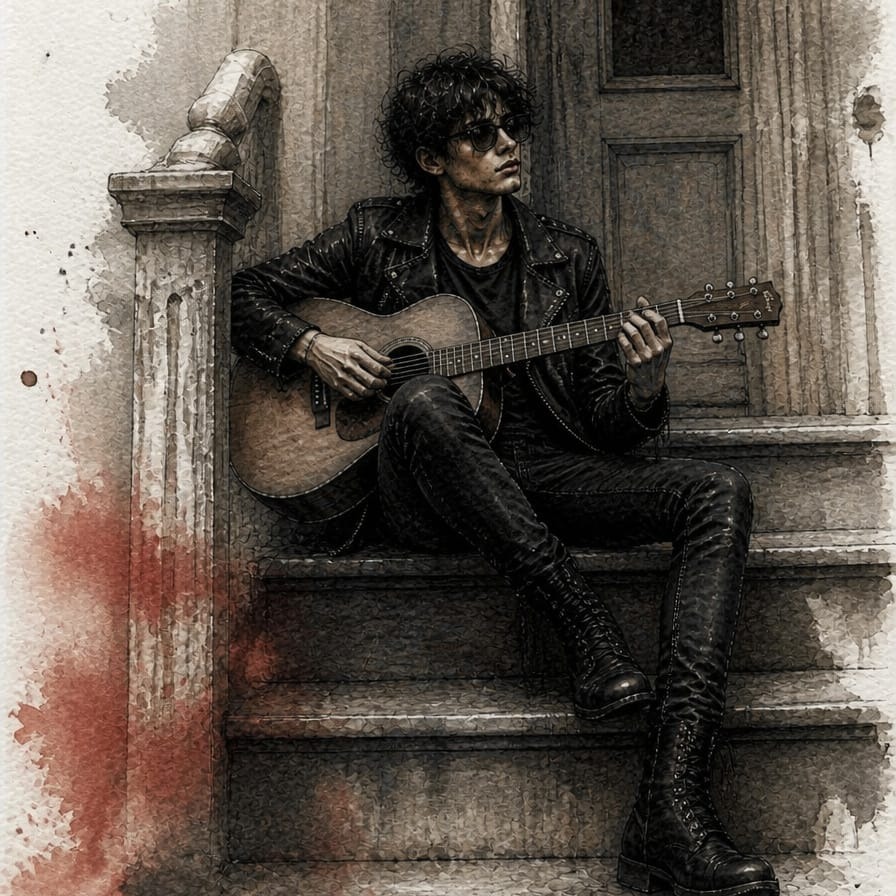
You can hear it before you see it— that low hum under the stones, like someone thinking too loudly behind a locked door. I’ll show you the entrance, if you don’t mind the dust. The air is colder here, it keeps the walls from cracking. Mind the echo. It answers before I do. It’s only the building settling, or something trying to speak. The walls remember me. The walls remember me. Step in slowly— the floor carries sound like water, and every footfall wakes whatever sleeps beneath the stone. The choir stalls are empty, but you’ll hear them all the same. They sing in the cracks, in the dust caught on the rafters. Don’t look for the organist. The keys move on their own. Some rooms remember music long after the hands are gone. The walls remember me. The walls remember me. If you follow the narrow aisle, you’ll find a booth half‑hidden in shadow, a wooden box meant for secrets too fragile to speak aloud. Someone’s already inside. You’ll hear him if you’re quiet. A voice low as dust, splintering on every breath. He talks like he’s afraid the walls might answer back. Names no one you’d know, but the sorrow feels familiar. The walls remember me. The walls remember me. Hear that— the floor shivers like a pulse misfiring, a tremor running through the nave as if the stone remembers pain. The arches strain above us, breath caught in their ribs. Something in the walls is shifting, trying hard not to break. Don’t be alarmed. It happens when someone listens. The building holds too much, and sometimes it shakes. Down here, the air is heavier, thick with years the candles couldn’t burn away. The steps grow narrower, as if the stone prefers you alone. This chamber keeps its silence. Even echoes won’t follow you in. Some rooms were built for endings, and this one knows its purpose. If you stand still long enough, you’ll feel the cold along the walls— a memory settling back into the shape it always held. The walls remember me.
