
2:14
Genre & Attitude:
Up-tempo lazy blues / talking-blues with a careless, human, “I don’t care today” mindset, Not dramatic, not heroic, not polished, The song sounds like someone too tired to perform but still honest enough to speak, Tempo & Groove:
Moderate-fast shuffle, slightly faster than classic lazy blues, but still behind the beat, Groove leans forward just enough to keep momentum, never rushed, Drums feel loose and breathing, almost thinking instead of playing, Vocals:
Primary vocal is always clear and understandable, Delivery is half-spoken, half-sung, conversational, dry, slightly resigned, A secondary distorted, partially unintelligible vocal texture is used ONLY in the long intro and the brief climax to represent mental fog and overload, Never distort full lyrical verses, Instrumentation (CRUCIAL):
Tenor saxophone and diatonic blues harmonica are co-leads, not decoration, They answer vocal lines, sigh between phrases, and carry emotion when words stop, Sax is warm, smoky, ‑No choir No “oooh/aaah” pads No pop chorus No cinematic swell No EDM, ‑trap, ‑or modern beats No key changes No vocal perfection No lyric changes No removing sax or harmonica No distortion during full verses
5:28
Genre: Blues rock / roots blues / Americana
Mood: gritty, grounded, working-class, hopeful by the end
Tempo: mid-tempo blues shuffle
Key feel: minor blues with warm resolution
Vocal:
Male solo vocal, raspy but warm, lived-in voice, natural phrasing, no belting, no theatrics, emotion through restraint, honest delivery, Instrumentation:
Electric blues guitar (supporting, not dominant), Electric bass (simple, heavy groove), Drums (laid-back pocket, no flashy fills), Diatonic harmonica (raw, breathy, Chicago-style), Tenor or baritone saxophone (dark, bluesy, emotional), Instrument roles:
Harmonica solo after first hook — raw bends, space, breath, Sax solo after second chorus — long notes, growl, behind the beat, Outro: call & response between sax and harmonica, fading out, Mix:
Vocals centered and forward, Harmonica slightly left, Sax slightly right, No overproduction, organic band feel, ‑No oooh/aaah choir intros No gospel choir No pop sheen No EDM elements No jazz fusion runs No funky slap bass No fast tempo No over-singing No vocal distortion effects No instrumental solos overlapping vocals
6:38
1960s blues rock, Haunting, atmospheric intro building into a hard-driving, intense groove, Deep male vocal starting hushed and contemplative, then exploding into gritty, powerful delivery in the chorus, Blues guitar lead, emotional harmonica weaving through dynamic rises, Driving bass and kick drum heartbeat, Energy alternates between tension and release, Final fade ends with harmonica over subdued guitar, ‑No spoken instructions No bracketed directions No intro monologues No “ooooh / aaaah” vocal loops No gospel choirs No arena rock vocals No key changes No over-compressed modern pop sound No EDM elements No shouty delivery
4:38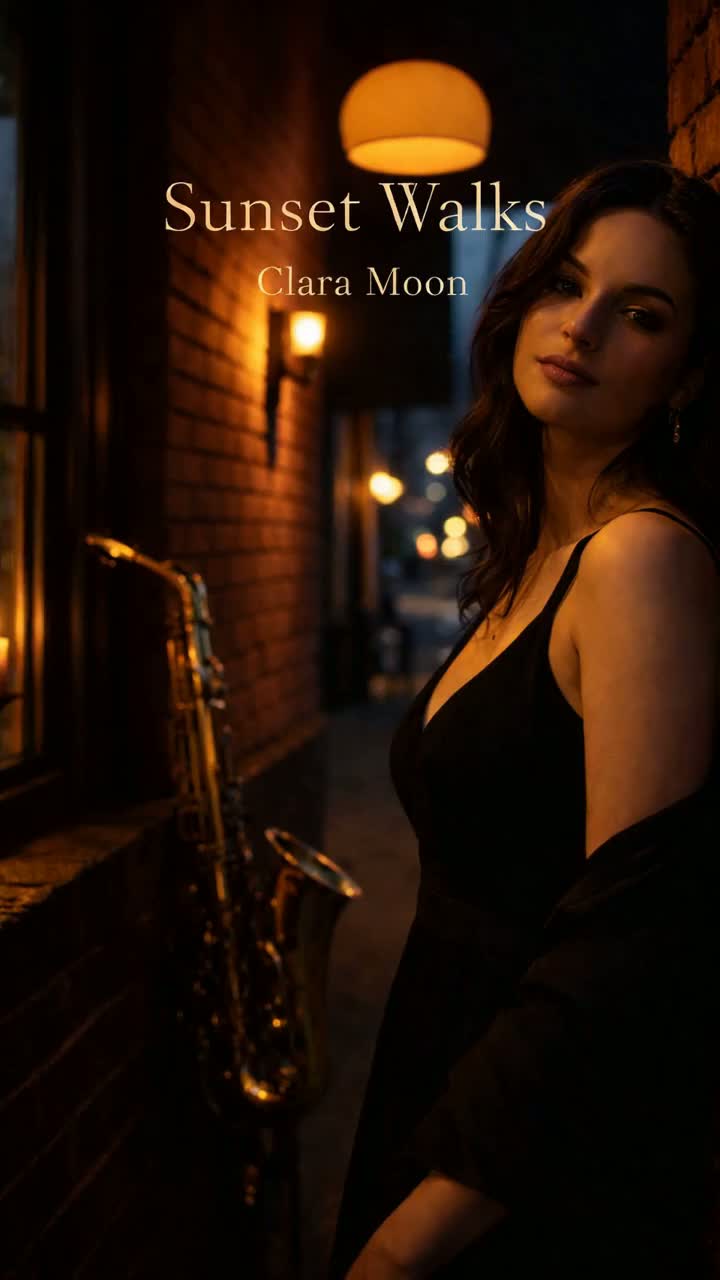
Late-night blues jazz ballad, Intimate, slow tempo, smoky female vocal in low to mid-low register, warm and breathy delivery with subtle phrasing imperfections, Minimal arrangement: brushed drums, upright bass, soft piano chords, Prominent tenor saxophone used as emotional call-and-response partner to the vocal, answering phrases with short expressive lines, sighs, bends, and blues inflections, No belting, no high notes, no theatrical climax, Club-after-hours atmosphere, candlelight jazz lounge, analog warmth, natural dynamics, human timing, Emotion over polish, Sax and voice feel like a quiet conversation in the dark, ‑No oooh/aaah vocal intros No choir or backing vocal pads No EDM, ‑no pop polish, ‑no modern jazz fusion No upbeat tempo, ‑no swing revival No belting, ‑no high female register No sax solos without vocal context No artificial reverb tails or shimmer effects No key changes, ‑no dramatic build-ups No spoken instructions or labels sung aloud